Content available at:
Understanding the Threat of Infectious Bronchitis
Infectious Bronchitis (IB) remains a major concern in the poultry industry due to its economic and health implications. The disease, caused by the Infectious Bronchitis Virus (IBV), primarily affects the respiratory system but can also impact the reproductive and renal systems.
- Its high transmissibility and potential to cause secondary bacterial infections make effective control strategies essential for maintaining flock health and productivity.
The Nature of the Virus and Its Spread
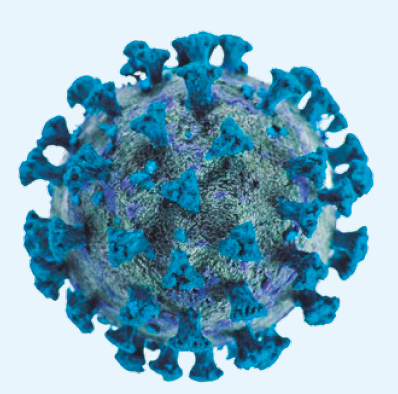
IBV is highly contagious, with studies indicating that a single infected bird can transmit the virus to up to 20 others.This exponential spread underscores the importance of robust biosecurity, vigilant monitoring, and strategic vaccination.
- Protecting poultry flocks from IB is critical not only for animal welfare but also for the economic sustainability of poultry operations.
Building a Strong Vaccination Foundation
Vaccination is a cornerstone of IB control. A successful strategy relies on three pillars:
- Proper vaccine preparation,
- Effective administration,
- And continuous monitoring.
Key considerations include maintaining vaccine storage temperatures between 2°C and 8°C, using demineralized water for reconstitution, and employing flatnozzle spray equipment to ensure uniform coverage.
- Droplet size should range from 100 to 200 microns to avoid deep respiratory penetration and adverse reactions.
Uniform application and equipment hygiene are vital. Tools like Ceva Desvac Droplate® can help visually verify the spray coverage quality, and dedicated equipment with cleaning-in place systems should be used to prevent contamination.
- These practices ensure optimal vaccine efficacy and reduce the risk of disease outbreaks.

Achieving Broad-Spectrum Protection
IBV’s ability to mutate and recombine leads to the emergence of multiple strains, often co-circulating within the same region. Broadspectrum cross-protection is essential to safeguard flocks against this diversity.
Combining vaccines such as IBird (strain 1/96 – GI-13) and Massachusetts (GI-1) enhances immunity across various serotypes. This approach helps maintain respiratory integrity, reduces secondary infections, and supports optimal growth performance.

Conclusion: A Holistic Approach to IB Control
Controlling Infectious Bronchitis requires a comprehensive strategy that integrates vaccination, biosecurity, and flock management.

Minimizing Virus Shedding and Environmental Load
Beyond clinical protection, controlling virus shedding is crucial for long-term IB management. Reducing environmental viral load limits transmission, lowers the risk of secondary infections, and improves overall vaccine efficiency
Effective control strategies can significantly reduce the virus’s reproduction rate (R0), curbing its exponential spread and protecting future flocks.
- Benefits of virus shedding control include decreased disease transmission, improved production performance, and economic gains. By limiting the spread of IBV, producers can ensure healthier flocks and more consistent production outcomes.
By focusing on both protection and prevention—through broad-spectrum vaccination and virus shedding control— poultry producers can safeguard flock health, enhance productivity, and secure long-term profitability.
A proactive, science-based approach is key to sustainable poultry production in the face of evolving IBV challenges.