Content available at:
Hatchery sanitation is crucial for the health of day-old chicks. One often-overlooked but effective process that can make a positive impact is removing clear and early dead eggs during in ovo vaccination and transfer. (Williams CJ, Radford AT, Shepherd LE, Richardson DR. The Effects on Hatchability of Automated Clear Egg Removal Prior to Transfer and In Ovo Vaccination. Technical Review, July 2002).

This process helps reduce the microbial load and minimize exposure to pathogens, which promotes healthier and more robust development of chicks from their first hours of life.
By removing clear eggs and those with early embryonic mortality, environmental conditions are improved for viable embryonated eggs remaining in the hatcher trays, which may lead to improved hatching rates and reduced seven day mortality, which may result in better chick quality.
Williams CJ, Radford AT, Shepherd LE, Richardson DR. The Effects on Hatchability of Automated Clear Egg Removal Prior to Transfer and In Ovo Vaccination. Technical Review, July 2002.
- This practice also reduces egg waste in the trays, speeding up workflow and simplifying cleaning tasks.
WHY IS IT IMPORTANT TO REMOVE NON-VIABLE EGGS
- Non-viable eggs pose a significant risk of contamination to developing chicks if left in the hatcher.
As they decompose, they release organic matter that encourages the growth of bacteria and mold.
This exposure increases the likelihood of chicks contracting diseases, such as navel infections, compromising their health and survival. (Van Immerseel, F. et al. (2004) ‘Intermittent Long-Term Shedding and Induction of Carrier Birds after Infection of Chickens Early Posthatch with a Low or High Dose of Salmonella Enteritidis’ Poultry Science (83) pages 1911–1916).
Air quality in hatcheries can be compromised by the presence of pathogens such as the fungus Aspergillus which poses a threat to the health and performance of chicks.
Timely removal of clear eggs and those with early embryonic death helps reduce the microbial load in the environment, promoting the production of healthier, stronger, and more viable chicks. (Williams CJ, Radford AT, Shepherd LE, Richardson DR. The Effects on Hatchability of Automated Clear Egg Removal Prior to Transfer and In Ovo Vaccination. Technical Review, July 2002).
In a hatchery study, the prevalence of moldy eggsdecreased significantly in the group processedwith the Embrex® Egg Remover compared to eggs transferred without removing clear eggs and eggs with early embryonic mortality. Data on file, Study Report No. 02-02-1300, Zoetis Inc.
TECHNOLOGY FOR EFFICIENCY
Automated systems such as the Embrex Egg Remover , combined with in ovo vaccination and/or automated egg transfer, offer an effective solution.
- This technology is designed to accurately identify and remove clear eggs and eggs with early embryonic mortality, helping to reduce the risk of contamination and improve chick quality.
Embrex Accusight® ovoscopy technology , a component of Zoetis’ Inovoject® NXT system , identifies clear eggs and eggs with early embryonic mortality with an accuracy of over 99%.

- These non-viable eggs represent approximately 97% of the eggs removed during the transfer process.
Viable embryos are also gently transferred using Haylo®technology, enabling a hygienicand efficient process.

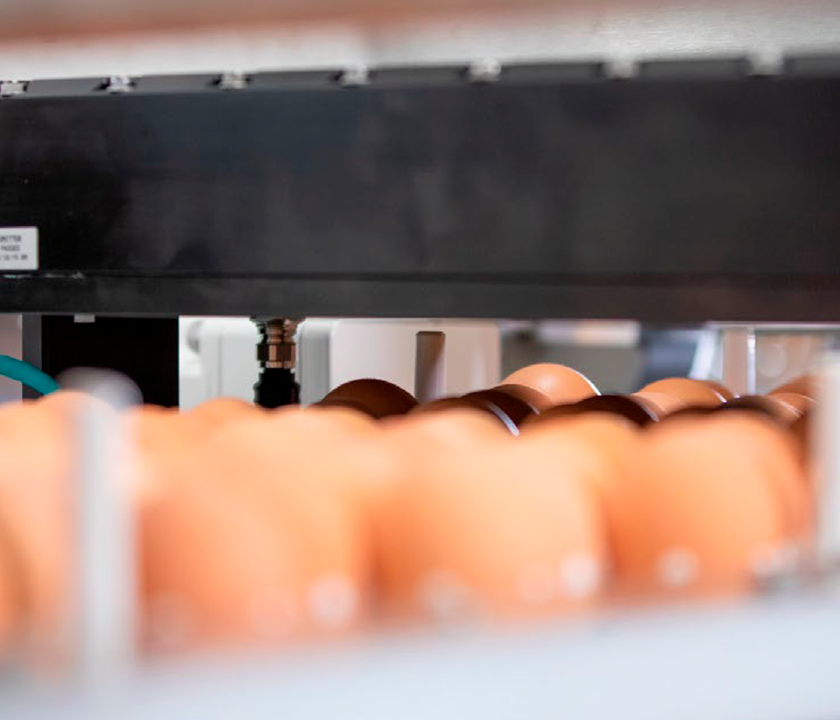
Image 1. Accurately identifying and removing clear eggs and eggs with early embryonic death, while preserving viable embryos, can help improve hatchability, reduce mortality at seven days, and increase overall habitability.
HIGHER HATCHING RATE AND VIABILITY
Field studies have demonstrated the benefits of removing nonviable eggs during the incubation process. On average, an increase in hatchability of up to 3% was observed, most notably in breeder flocks over 60 weeks of age.
Furthermore, seven-day mortality was reduced by 0.29% in flocks that used the Embrex Egg Remover device compared to those that didnot. (Figure 1).
REDUCING THE RISK OF DISEASES
Reducing exposure to pathogenic microorganisms can significantly reduce the risk of infections in chicks, which can cause inflammation, fever, or lethargy, negatively affecting their early development.
- Since chicks must gain four to five times their body weight during the first seven days of life, minimizing these risks is critical to ensuring optimal growth and good performance when housed on the farm.

SUPPORT TO OPTIMIZE PROCESSES AND RESULTS
Implementing innovative technologies, such as automated non-viable egg removal, requires specialized technical support.
Zoetis offers:
- A comprehensive service that includes microbial risk assessments,
- Operational audits,
- Training programs, and preventative maintenance,
Aimed at helping hatcheries optimize their processes and maintain consistent results.
Early identification and removal of non-viable eggs is a key step in reducing microbial load, improving chick health, and increasing hatchability. Zoetis’ reliable technology helps ensure operational precision and contributes to hatchery successthrough comprehensive, personalized technical support.
To learn more about the benefits of non-viable egg removal and the reliable technology that can help you, contact your Zoetis representative.
All trademarks are the property of Zoetis Services LLC or a related company or a licensor unless otherwise noted. © 2025 Zoetis Services LLC. All rights reserved. MM-38317
References available upon request from the author.