


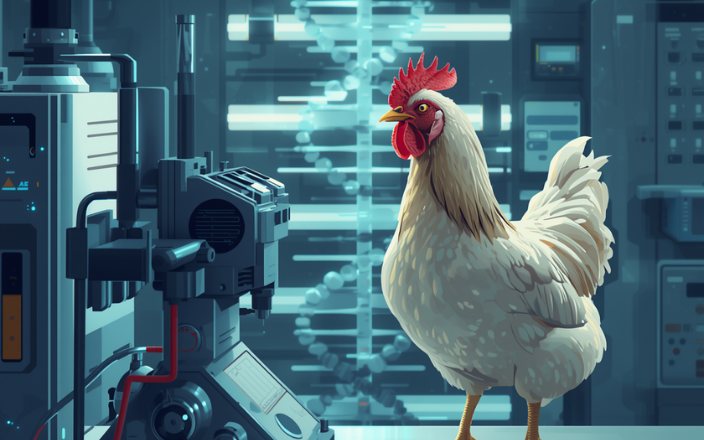
The poultry industry faces mounting pressure to balance productivity with sustainability. Genetic editing offers a promising path, but traditional methods often raise ethical, ecological, and consumer concerns. A new wave of research is exploring sustainable approaches to gene editing in chickens—methods that prioritize animal welfare, food security, and environmental responsibility.
Why Gene Editing Matters
Chickens are one of the most widely farmed animals globally, providing affordable protein to billions of people. However, challenges such as disease outbreaks, feed efficiency, and climate resilience demand innovative solutions. Gene editing can address these issues by:
- Enhancing resistance to common poultry diseases.
- Improving feed conversion ratios, reducing resource use.
- Supporting adaptation to changing environmental conditions.
These benefits could significantly reduce the ecological footprint of poultry farming while ensuring stable food supplies.
Moving Beyond Traditional Methods
Conventional genetic modification often relies on transgenic techniques, inserting foreign DNA into animals. While effective, this approach has sparked debates about safety and ethics. Sustainable gene editing focuses instead on precision tools like CRISPR-Cas9, which allow scientists to make targeted changes without introducing external genes. This distinction is crucial for public acceptance and regulatory approval.
Sustainability at the Core
A sustainable approach to chicken gene editing emphasizes three pillars:
- Animal Welfare: Editing genes to reduce susceptibility to painful conditions, such as skeletal deformities, ensures healthier flocks.
- Environmental Impact: By improving feed efficiency, fewer natural resources are consumed, lowering greenhouse gas emissions.
- Food Security: Disease-resistant chickens reduce losses, stabilizing protein availability for growing populations.
Together, these pillars align gene editing with broader goals of sustainable agriculture.
Ethical and Regulatory Considerations
Sustainability also means transparency and responsibility. Ethical frameworks must guide research, ensuring that genetic changes do not compromise biodiversity or animal dignity. Regulatory bodies worldwide are beginning to differentiate between transgenic modification and precise gene editing, opening pathways for responsible adoption. Public engagement and clear communication will be essential to build trust.
Future Outlook
Unlocking a sustainable way to edit chicken genes is not just about technology—it is about reshaping the poultry industry for long-term resilience. As research advances, collaboration among scientists, farmers, policymakers, and consumers will determine how these innovations are implemented. If guided responsibly, gene editing could become a cornerstone of sustainable poultry production, balancing efficiency with ethics.
Conclusion
Gene editing in chickens holds immense potential, but its future depends on sustainability. By focusing on precision, welfare, and ecological responsibility, the poultry industry can harness genetic tools to meet global food demands while safeguarding the planet. This approach represents not only scientific progress but also a commitment to a more sustainable food system.
Sources: Available upon request