


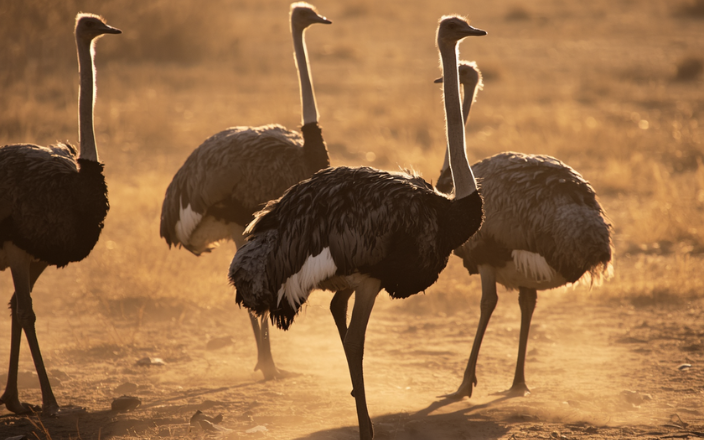
Ostrich farming has grown significantly in recent decades, driven by demand for meat, leather, and feathers. As with any livestock industry, ensuring animal welfare is not only an ethical responsibility but also a key factor in productivity and sustainability. Proper welfare practices reduce stress, improve growth rates, and enhance product quality.
Housing and Space Requirements
- Ostriches are large, active birds that require ample space to move freely.
- Overcrowding can lead to aggression, injuries, and stress.
- Farmers should provide spacious enclosures with secure fencing, allowing birds to run and exercise.
- Shade structures and shelter are also essential to protect them from extreme weather conditions.
Nutrition and Feeding Practices
Balanced nutrition is vital for ostrich welfare. Their diet should include high-quality forage, grains, and mineral supplements to support growth and reproduction. Access to clean water at all times is non-negotiable. Poor feeding practices can result in malnutrition, weakened immune systems, and reduced productivity.
Health Management and Veterinary Care
- Routine health checks and preventive veterinary care are crucial.
- Vaccinations, parasite control, and monitoring for common diseases such as Newcastle disease or avian influenza help maintain flock health.
- Early detection of illness reduces suffering and prevents the spread of disease within the farm.
Handling and Transportation
Ostriches are sensitive animals that can become stressed easily. Gentle handling techniques are necessary to avoid injuries. During transportation, birds should be provided with adequate ventilation, space, and minimal travel time. Stress during handling or transport can negatively affect meat quality and overall welfare.
Breeding and Chick Rearing
Breeding practices must prioritize the health of both adults and chicks. Eggs should be incubated under controlled conditions, and chicks require warm, safe environments with proper nutrition. Early-life welfare directly influences survival rates and long-term productivity.
Environmental Enrichment
Providing enrichment such as varied terrain, sand baths, and objects to peck at reduces boredom and stress. Enrichment encourages natural behaviors, which are essential for maintaining psychological well-being in ostriches.
Conclusion
Animal welfare in ostrich farming is a multifaceted responsibility involving housing, nutrition, health care, handling, and enrichment. Farmers who prioritize welfare not only meet ethical standards but also achieve better productivity and sustainability. Ultimately, ensuring the well-being of ostriches strengthens the credibility and future of the industry.
Sources: Available upon request