


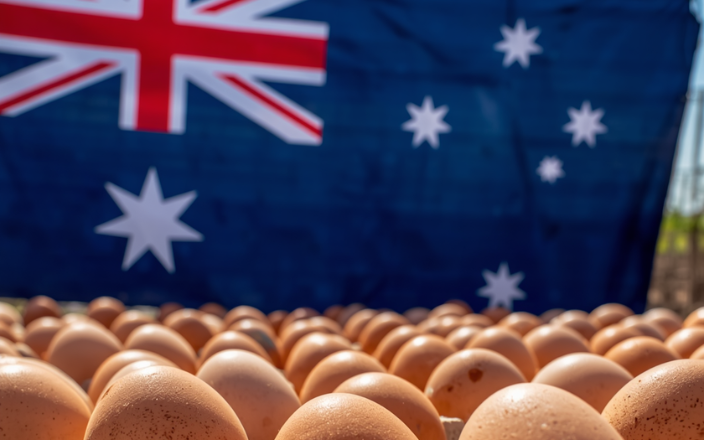
Australia’s egg industry is forecast to produce around 5 billion eggs in 2026, marking a steady recovery after past avian influenza disruptions. Growth is expected to continue through 2031, driven by strong domestic demand and evolving consumer preferences.
Egg production forecast
- 2026 output: Approximately 5 billion eggs will be produced in Australia.
- Growth trend: Despite a slight annualized decline of –1.1% between 2021 and 2026, production is stabilizing and expected to rise steadily in the years ahead.
- Consumption focus: Egg production is largely tied to domestic consumption, with negligible international trade due to the perishable nature of eggs.
Recovery from Avian Influenza
- Past disruptions: Outbreaks of avian influenza previously constrained supply, reducing flock sizes and impacting output.
- Current status: The sector has recovered, with improved biosecurity measures ensuring stability and resilience.
- Future outlook: Continued vigilance against disease remains essential to safeguard production growth.
Economic context
- Agricultural value: Australia’s agricultural production is projected to reach AUD 101 billion in 2025–26, before easing to AUD 95 billion in 2026–27. Eggs form a significant part of this broader food economy.
- Domestic market: Given the low value-to-weight ratio, eggs are primarily consumed locally, reinforcing their role as a staple in Australian diets.
Consumer trends
- Free-range demand: Rising interest in free-range and organic eggs is reshaping production strategies, with more farms adapting to alternative systems.
- Affordability & versatility: Eggs remain popular due to their low cost and nutritional value, ensuring consistent demand across households.
- Health & sustainability: Consumers increasingly value sustainable farming practices, pushing producers to adopt environmentally responsible methods.
Challenges and opportunities
- Biosecurity: Preventing future disease outbreaks is critical for maintaining growth.
- Sustainability: Producers face pressure to reduce environmental impacts, including emissions and waste.
- Market adaptation: Shifts toward premium egg categories (organic, free-range) present both challenges and opportunities for producers.
Conclusion
Australia’s egg industry is entering a period of steady recovery and growth, with production forecast at 5 billion eggs in 2026 and continued expansion expected through 2031. Strong domestic demand, consumer preference for sustainable and free-range products, and improved biosecurity practices will shape the sector’s trajectory in the coming years.
Sources: Available upon request