


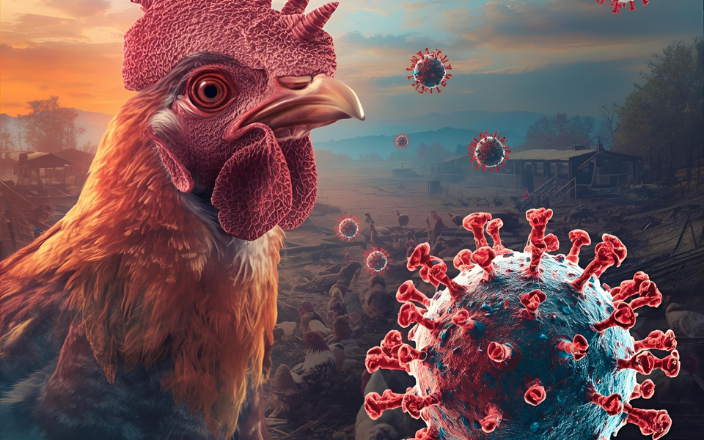
Since the outbreak of Highly Pathogenic Avian Influenza (HPAI) in early 2022, the United States has witnessed an unprecedented loss of poultry. According to data compiled by the USDA’s Animal and Plant Health Inspection Service (APHIS), more than 177 million commercial birds have been culled or died due to the virus as of late September 2025.
- The outbreak began in February 2022 with a turkey flock in Indiana and has since spread across dozens of states, affecting chickens, turkeys, and upland gamebirds.
- The virus, primarily transmitted by wild birds, has proven difficult to contain due to its rapid spread and high mortality rate among infected flocks.
Recent cases include a devastating loss of over 3 million laying hens in Wisconsin and 33,000 turkeys in Minnesota, highlighting the ongoing threat to commercial poultry operations. Utah also reported a new outbreak in a commercial turkey flock, prompting immediate quarantine and depopulation measures.
- The scale of the losses has raised concerns not only about food supply stability but also about the methods used to control the disease.
- Many birds are culled using Ventilation Shutdown (VSD), a controversial method that involves sealing barns and raising temperatures until animals die from heatstroke or suffocation.
- Animal welfare organizations, including The Humane League, have condemned this practice, calling it inhumane and urging the adoption of more ethical alternatives.
Despite the massive losses, the Centers for Disease Control and Prevention (CDC) maintains that the public health risk remains low, with no confirmed person-to-person transmission of H5N1. However, isolated human cases have been reported among poultry and dairy workers, prompting ongoing surveillance efforts.
Experts warn that the current approach to managing avian influenza—focused heavily on reactive culling—may not be sustainable. With wild birds continuing to carry and spread the virus across migratory routes, and with billions of farmed birds in the U.S., the risk of future outbreaks remains high.
As the poultry industry grapples with the economic and ethical implications of the crisis, calls are growing for improved biosecurity, better disease forecasting, and more humane response strategies to protect both animals and public health.
Sources: Available upon request