


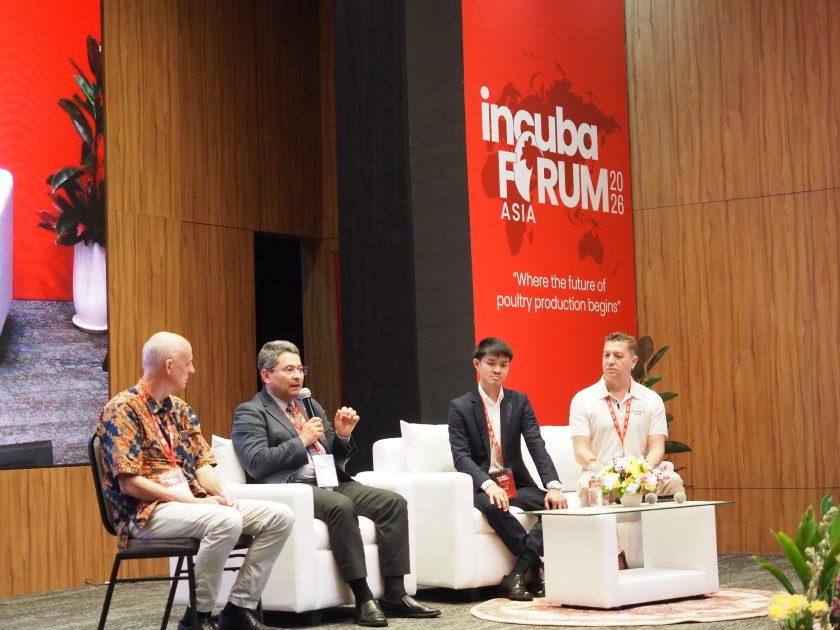
Day 2 of incubaFORUM Asia 2026 placed breeders, incubation, and chick management at the center of discussions, with experts underscoring digital transformation, disease control, and biomimicry-inspired incubation strategies. The sessions combined scientific insights with practical applications, reinforced by panel exchanges that connected research with industry needs.

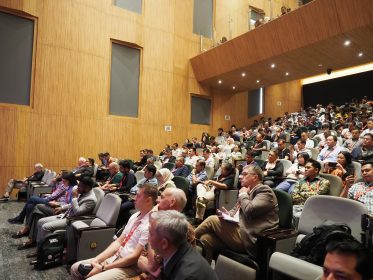
Data and disease strategies
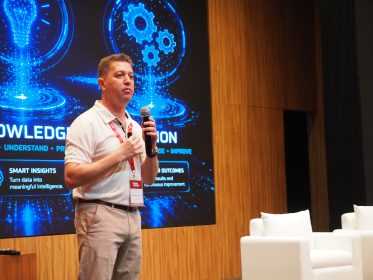
The morning opened with Dr Tugrul Durali, Director of Avian Management Services, who presented ‘From bytes to birds: Where data shapes poultry breeding and incubation’. He emphasized how sensors, robotics, artificial intelligence, blockchain, and drones are reshaping hatchery and breeder operations. Predictive management models, he noted, are improving hatchability, chick quality, and biosecurity, marking a shift toward precision farming.
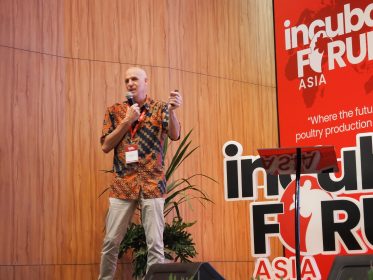
Following this, Prof Sjaak de Wit, Specialist in Poultry Veterinary Science at Royal GD, Utrecht University, addressed ‘Scientific lessons from Infectious Bronchitis and Newcastle Disease control’. He highlighted the importance of early immunity and mucosal response in protecting against Newcastle Disease Virus. His presentation stressed genotype diversity and vaccine strategies, reinforcing the protectotype concept as a cornerstone of disease control.
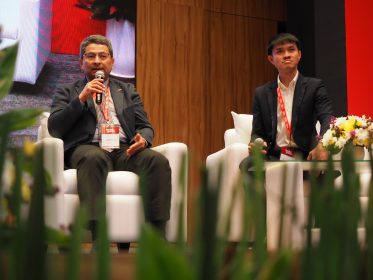
In a panel discussion moderated by Yannis Christodoulou, Dr Mark Anthony Gabriel, Associate Vice President and National Head of Animal Health Group at Bounty Fresh Group and Dr Edgar Oviedo of North Carolina State University shared insights and knowledge. The panel focused on integrating health, nutrition, and management approaches for modern broilers. Consensus emerged around the need for coordinated disease control and nutrition strategies to sustain productivity and welfare.
Efficiency meets biomimicry
The late morning sessions shifted to incubation and chick management. Rasel Ahmed, Incubation Specialist, presented ‘Optimizing incubation efficiency and chick quality: Practical strategies for modern hatchery management’. He outlined the importance of egg quality, storage, pre-warming, and incubation parameters such as temperature, humidity, ventilation, and turning. Hatch synchronization and chick quality scoring were highlighted as tools to ensure uniformity and productivity.

Rafael Lozano, Petersime Global Incubation Consultant, followed with ‘Nature as a reference in incubation’. He introduced SPIDES (Short Periods of Incubation During Egg Storage) as a method to restore hatchability. Mr Lozano advocated biomimicry, including non-linear CO₂ approaches and embryo-response technology, reporting measurable gains in chick quality, reduced mortality, and improved feed conversion.

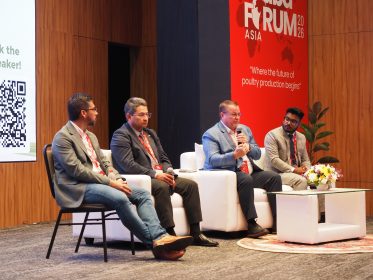
The incubation block concluded with a panel moderated by Craige Allan, Managing Director of AgPro Co Ltd, featuring Keith Bramwell and Dr Oviedo. Their discussion, ‘Science and practice for high-quality salable chicks’, emphasized strict control of incubation parameters and chick comfort as essential to producing market-ready chicks.

Key takeaways
- Digitalization is redefining breeder and hatchery operations, making predictive management the new standard.
- Disease control remains central, with robust vaccination strategies and biosecurity highlighted.
- Biomimicry-inspired incubation demonstrates measurable improvements in chick quality and farm performance.
- Panel discussions bridged science and practice, ensuring that Asia’s poultry sector benefits from both innovation and applied expertise.
Day 2 underscored how technology, science, and management converge to shape the future of poultry production in Asia, offering pathways to efficiency, sustainability, and improved animal welfare.