


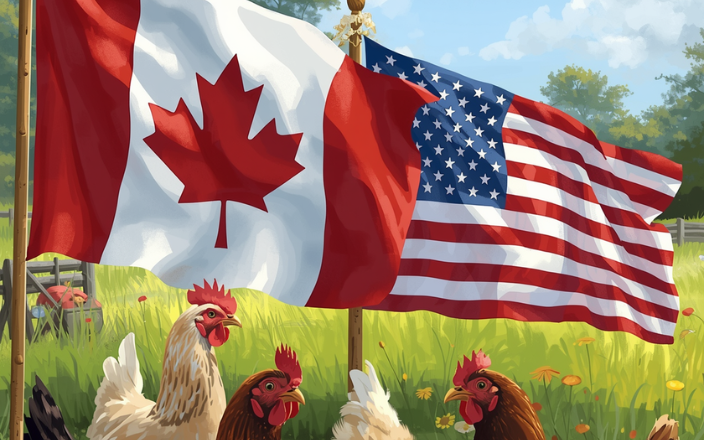
Canada has marked another month without reporting new cases of Highly Pathogenic Avian Influenza (HPAI). This development is significant for the poultry industry, as the absence of outbreaks reduces the risk of trade restrictions and ensures greater stability for producers. The Canadian Food Inspection Agency (CFIA) has maintained strict biosecurity measures, and the country’s poultry sector has benefited from coordinated surveillance programs. These efforts have helped prevent the reintroduction of the virus, which has previously caused substantial losses in North America.
- The lack of new detections also strengthens Canada’s position in international markets.
- Export partners often monitor HPAI status closely, and a prolonged period without cases enhances confidence in Canadian poultry products.
- For domestic producers, the continued freedom from HPAI means reduced operational disruptions and lower costs associated with disease control.
Indiana’s Persistent Struggle
In contrast, Indiana continues to report active HPAI cases. The state has faced recurring outbreaks, particularly in commercial turkey operations. These cases highlight the challenges of containing the virus once it becomes established in a region. Despite biosecurity protocols, the highly contagious nature of HPAI makes eradication difficult, especially in areas with dense poultry populations.
- The persistence of HPAI in Indiana has led to culling measures, economic losses, and heightened stress for producers.
- State authorities, alongside the U.S. Department of Agriculture (USDA), are working to contain the spread through quarantines, movement restrictions, and enhanced monitoring.
- However, the repeated detections underscore the need for long-term strategies, including stronger farm-level biosecurity and potential vaccination approaches.
Regional and Industry Implications
The contrasting situations in Canada and Indiana illustrate the uneven impact of HPAI across North America. While Canada enjoys stability, U.S. producers—particularly in Indiana—face ongoing uncertainty. This divergence affects trade dynamics, as importing countries may impose restrictions on U.S. poultry while continuing to accept Canadian products.
- For the broader industry, these developments emphasize the importance of vigilance.
- Producers in unaffected regions must remain proactive, as HPAI can spread rapidly through migratory birds and farm-to-farm contact.
- The lessons from Indiana serve as a reminder that even strong biosecurity measures require constant reinforcement.
Looking Ahead
Canada’s continued freedom from HPAI offers hope that sustained prevention is possible. Meanwhile, Indiana’s ongoing cases highlight the resilience of the virus and the need for adaptive strategies. The poultry industry across North America will be watching closely, balancing optimism with caution as efforts to control HPAI continue.
Sources: Available upon request