


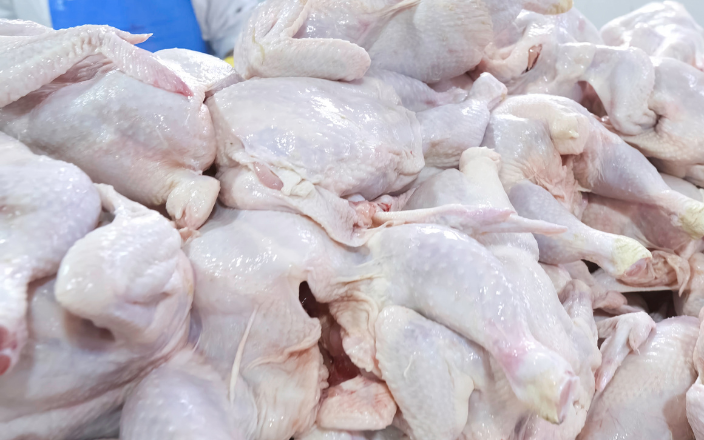
Carcass quality in broilers is a critical factor for poultry producers, processors, and consumers. It directly influences market value, consumer acceptance, and overall profitability. Evaluating carcass quality involves assessing physical, chemical, and microbiological attributes that reflect both animal welfare and production efficiency.
Physical Indicators
- Carcass Conformation
The shape and proportion of the broiler carcass are essential indicators. A well-developed breast with balanced muscle distribution is highly desirable, as breast meat represents the most valuable cut in commercial markets. - Carcass Weight and Yield
Final live weight, dressing percentage, and cut-up yield are key metrics. High carcass yield with minimal trimming losses indicates efficient feed conversion and good flock management. - Defects and Damage
Bruises, broken bones, and scratches reduce carcass value. These defects often result from poor handling during transport or slaughter, highlighting the importance of welfare practices.
Meat Quality Indicators
- Color and Appearance
Consumers associate uniform, light-pink breast meat with freshness and quality. Abnormal colors, such as pale, soft, exudative (PSE) meat or dark, firm, dry (DFD) meat, signal stress or poor processing conditions. - pH and Water-Holding Capacity
Postmortem pH decline affects meat texture and juiciness. Optimal pH ensures good water-holding capacity, reducing drip loss and improving cooking yield. - Tenderness and Texture
Tenderness is influenced by muscle fiber composition and postmortem enzymatic activity. Proper chilling and processing techniques help maintain desirable texture.
Fat and Skin Quality
- Fat Distribution
Excess abdominal fat is undesirable, as it reduces carcass efficiency and consumer appeal. Balanced fat deposition indicates proper nutrition and energy utilization. - Skin Condition
Skin tears, discoloration, or excessive feather residues negatively impact carcass presentation. Smooth, intact skin enhances consumer acceptance, especially in whole-bird sales.
Microbiological Safety
- Contamination Control
Carcass quality is not only about appearance but also food safety. The presence of pathogens such as Salmonella or Campylobacter compromises product integrity. Strict hygiene during slaughter and processing is essential to minimize contamination.
Conclusion
Carcass quality indicators in broilers encompass physical traits, meat characteristics, fat and skin condition, and microbiological safety. Producers must balance genetics, nutrition, welfare, and processing practices to achieve optimal carcass outcomes. High-quality broiler carcasses not only satisfy consumer expectations but also strengthen competitiveness in the poultry industry.
Sources: Available upon request