


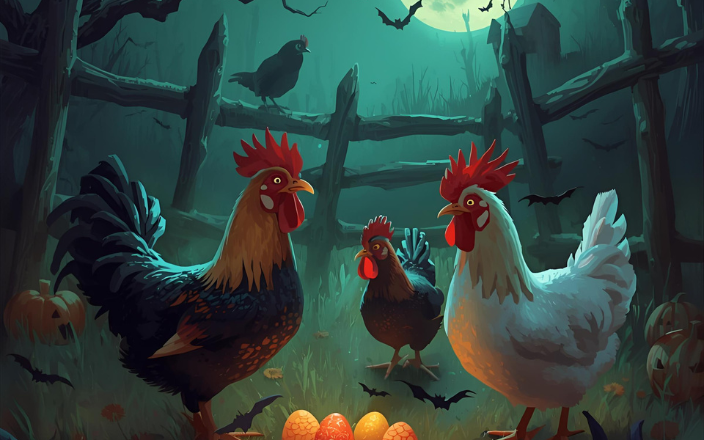
Halloween in the United States is widely known for costumes, candy, and spooky decorations, but it also influences food consumption patterns, including poultry and eggs. While not traditionally associated with Halloween meals, chicken and eggs remain staple ingredients in many households and foodservice establishments during the holiday.
- In 2024, the U.S. poultry sector generated $70.2 billion in sales, with broilers (meat chickens) accounting for $45.4 billion of that total.
- Broiler production reached 9.33 billion birds, producing over 61 billion pounds of live weight meat.
- Although turkey is more closely tied to Thanksgiving, chicken remains a popular protein choice for Halloween parties and family dinners, especially in the form of wings, nuggets, and fried chicken—foods that are easy to prepare and serve at gatherings.
Eggs also play a significant role during Halloween, particularly in baking and festive recipes. From spooky cupcakes to deviled eggs shaped like eyeballs, eggs are a key ingredient in many Halloween-themed treats. In 2024, U.S. egg production totaled 109 billion eggs, with a market value of $21 billion, up 18% from the previous year. Despite a slight dip in total production, per capita egg consumption has increased by 15% over the past two decades.
- The rise in organic and cage-free egg production also reflects changing consumer preferences.
- As of early 2025, 42.1% of U.S. laying hens were producing cage-free or organic eggs, with organic eggs accounting for 7% of the total.
- This shift is partly driven by health-conscious consumers and those seeking ethically sourced ingredients for their holiday cooking.
While Halloween doesn’t cause a dramatic spike in poultry and egg consumption compared to other holidays, it does contribute to steady demand. Foodservice outlets, especially fast-food chains and caterers, often see increased orders for chicken-based dishes during Halloween weekend. Similarly, grocery stores report higher sales of eggs due to baking and party preparations.
In summary, chicken and eggs maintain their relevance during Halloween in the U.S., not through traditional holiday meals but via their versatility in party foods and themed recipes. As consumer habits evolve, especially with the rise of organic and cage-free options, these staples continue to play a quiet but important role in Halloween celebrations.
Sources: Available upon request