


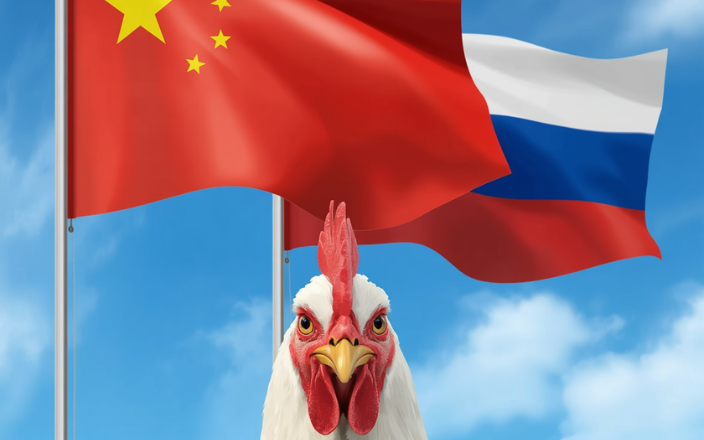
Strategic Cooperation in Agriculture
China and Russia are intensifying their cooperation in the agricultural sector, with poultry breeding emerging as a key area of focus. Both countries recognize the importance of securing food supplies and reducing dependency on imports, particularly in the face of global trade uncertainties. Joint ventures in poultry breeding are being positioned as a strategic pathway to strengthen domestic production capacity and enhance genetic resources.
Drivers Behind the Partnership
Several factors are motivating this cooperation.
- Food Security: China’s growing demand for poultry meat requires reliable sources of breeding stock. Russia, with its vast agricultural land and expanding poultry industry, offers a complementary partner.
- Technological Exchange: Russia has invested in modern breeding technologies, while China brings large-scale production expertise. Together, they aim to accelerate genetic improvements in broiler and layer breeds.
- Geopolitical Considerations: Both nations seek to reduce reliance on Western suppliers of poultry genetics, creating a more independent supply chain.
Potential Benefits for Both Nations
The joint ventures are expected to deliver multiple advantages:
- Improved Breeding Stock: Access to diversified genetic lines will help both countries enhance productivity and disease resistance in poultry flocks.
- Economic Growth: By developing local breeding centers, China and Russia can reduce costs associated with importing parent stock, while also creating new business opportunities.
- Regional Stability: Strengthening agricultural cooperation contributes to broader economic ties, reinforcing political and trade relations between the two nations.
Challenges and Considerations
Despite the promise, several challenges must be addressed:
- Biosecurity Risks: Cross-border movement of breeding stock requires strict biosecurity protocols to prevent the spread of avian diseases.
- Regulatory Alignment: Harmonizing standards for animal welfare, genetic certification, and trade regulations will be essential.
- Market Competition: Domestic producers may face pressure as joint ventures introduce new players with advanced capabilities.
Outlook for the Poultry Industry
The move towards joint ventures signals a significant shift in global poultry breeding dynamics. If successful, China and Russia could establish themselves as major players in the genetic supply chain, reducing the dominance of Western companies. This development may also encourage other nations to pursue similar partnerships, reshaping the competitive landscape of the poultry industry.
Sources: Available upon request