


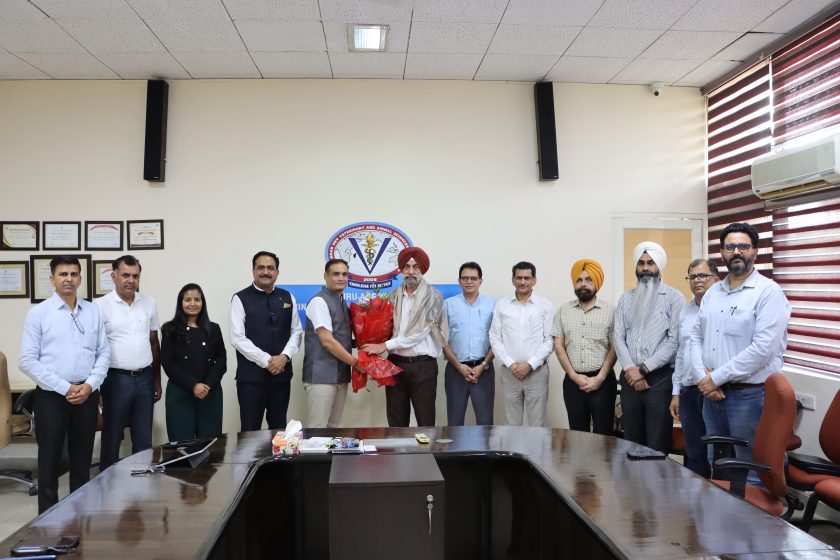
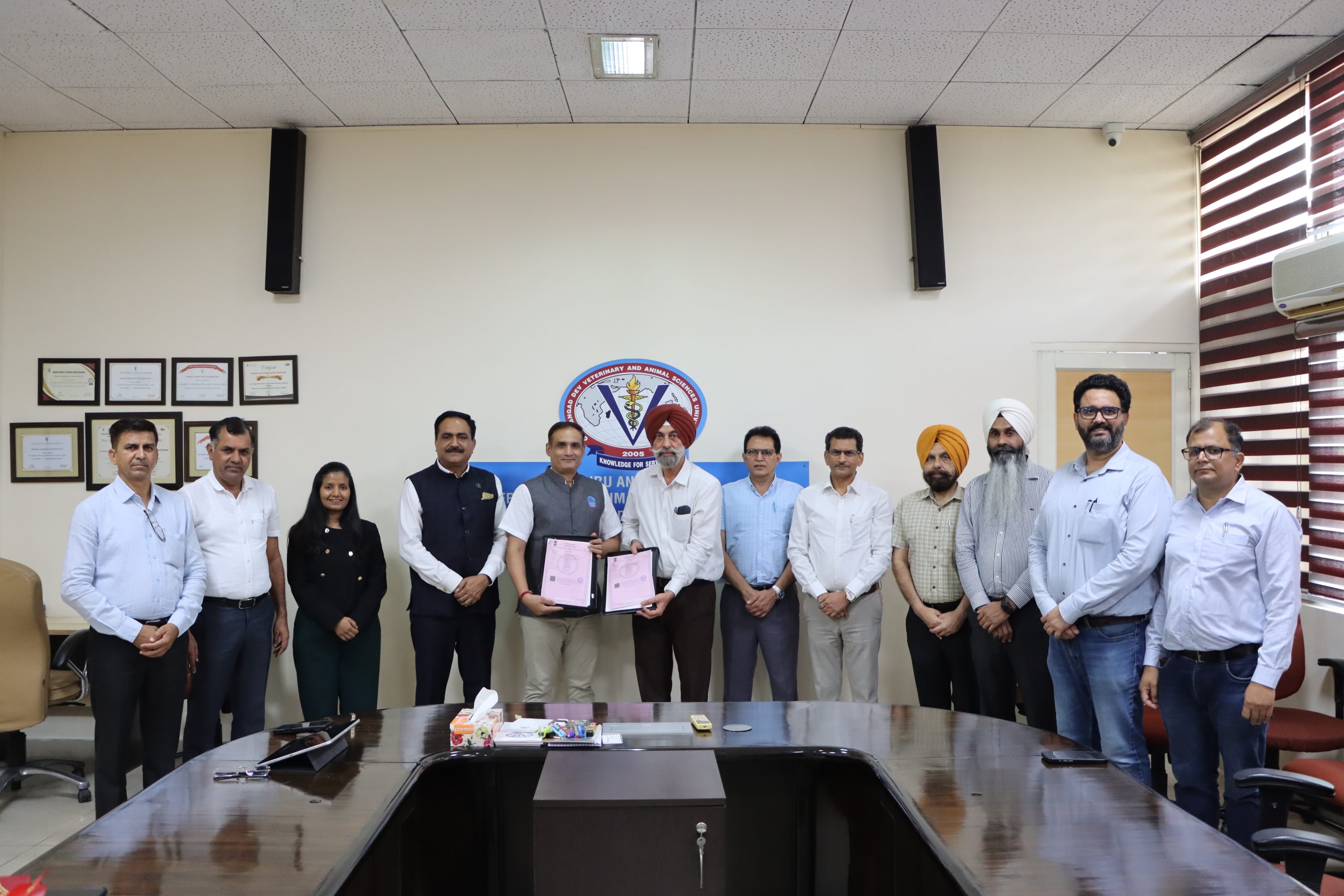
The Compound Livestock Feed Manufacturers Association (CLFMA) of India has signed a Memorandum of Understanding (MoU) with Guru Angad Dev Veterinary and Animal Sciences University (GADVASU), Ludhiana, to undertake a comprehensive scientific research project titled ‘Comprehensive evaluation of moisture content on the technical stability and sensory acceptability of chicken sausages in India’.
The research initiative aims to generate scientific evidence on the impact of moisture content on the quality, safety, nutritional integrity, technical stability and consumer acceptability of chicken sausages, supporting evidence-based recommendations for the processed poultry industry in India.
As part of the collaboration, CLFMA of India will provide a research grant of around USD 5,200 to GADVASU for the execution of the six-month project.
The study will be carried out under the leadership of Dr Nitin Mehta, Professor-cum-Head, Department of Livestock Products Technology, GADVASU, with technical oversight from the university’s research team.
Speaking on the collaboration, Divya Kumar Gulati, Chairman, CLFMA of India, said, “The Indian poultry processing industry is witnessing rapid growth, driven by changing consumer preferences and increasing demand for safe, nutritious, and convenient protein products. As the industry evolves, standards and regulations must be backed by robust scientific evidence. Through this partnership with GADVASU, CLFMA aims to support research that will generate credible data on moisture content in chicken sausages, helping to strengthen technical understanding while ensuring product quality, consumer confidence, and industry competitiveness.”
Rakesh Swami, Group President-Corporate Affairs, Godrej Industries Group and Management Committee Member, CLFMA of India, said, “At Godrej Industries Group, we believe lasting progress is driven by collaboration between industry, government and academia. This partnership reflects both CLFMA’s commitment to science-based standards and Godrej Agrovet’s focus on strengthening India’s animal protein value chain. Research-led frameworks such as these will help enhance quality, safety and consumer confidence, while reinforcing chicken’s role as a nutritious and affordable source of protein for millions of Indians.”

The study has been designed in three phases:
- The first phase will establish baseline compositional data of broiler chicken meat collected from different geographical regions across India.
- The second phase will compare chicken sausage formulations prepared at different moisture levels by evaluating parameters such as moisture, protein, fat, texture, color, microbial safety, cooking characteristics, and sensory attributes.
- The final phase will integrate these findings to develop evidence-based recommendations on the optimal moisture content that balances nutritional quality, processing efficiency, product stability, and consumer acceptance. A consumer survey will also be undertaken to evaluate the market acceptability of the different product formulations.
Dr Swarn Singh Randhawa, Director Research of GADVASU, Ludhiana said industrial collaboration with universities is paving new ways to address challenges in scientific manner which will help the consumer at large.
Commenting on the collaboration, Dr JPS Gill, Vice Chancellor, GADVASU, Ludhiana said, “Scientific research plays a vital role in supporting evidence-based food standards and strengthening consumer trust. Through this collaboration with CLFMA of India, GADVASU will undertake a comprehensive evaluation using advanced techniques to generate reliable scientific data. The outcomes of this study will contribute to strengthening the knowledge base for India’s poultry processing sector while supporting innovation, quality assurance, and informed policy decisions.”
The collaboration reflects the shared commitment of CLFMA of India and GADVASU to advancing scientific research that promotes innovation, supports sustainable growth in the poultry processing sector and contributes to the continued development of India’s animal agriculture ecosystem.