


Content available at:
Ho Chi Minh City is intensifying its crackdown on illegal slaughterhouses and unsafe food products. Authorities are stepping up inspections and imposing tougher penalties to eliminate ‘three-no’ food—products with no traceable origin, no veterinary inspection, and no hygienic certification. These measures aim to protect public health and reduce the risk of disease outbreaks.
Illegal poultry slaughterhouse dismantled
A recent joint inspection by the city’s slaughter control and animal disease prevention task force underscored this commitment.
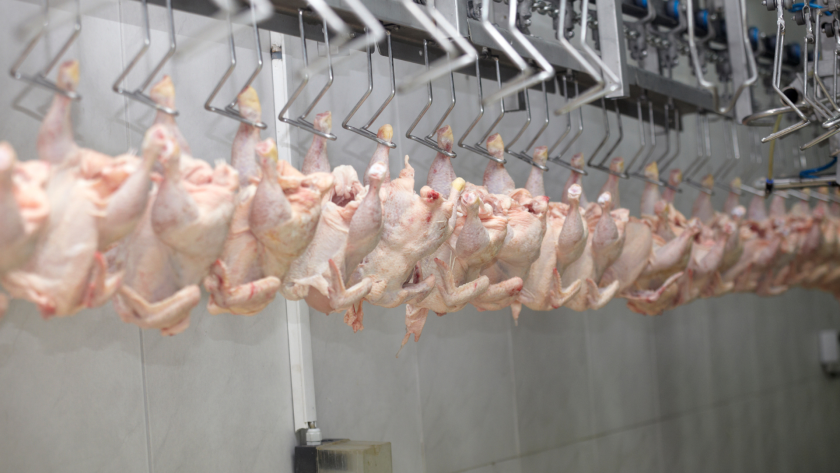
The operation uncovered an unlicensed poultry slaughterhouse in a suburban border area. Inspectors found the facility processing about 300 broiler chickens for sale in traditional markets.
Authorities issued administrative penalties, confiscated the poultry, and destroyed all products of unknown origin to prevent disease transmission and safeguard consumers.
Persistent challenge of illegal slaughter
Despite strict regulations requiring traceability and hygiene compliance, illegal slaughter operations continue in peri-urban areas.
‘Three-no’ food products remain a serious risk to food safety and public health. The Ho Chi Minh City Department of Livestock Production and Animal Health acknowledge that violators are adopting more sophisticated methods to evade inspections and profit illegally. Even so, coordinated surveillance and surprise raids have helped dismantle many unlawful operations.
Promoting stronger traceability measures
To improve compliance and strengthen transparency throughout the food supply chain, veterinary authorities are promoting several technical measures for food businesses, including:
- Maintaining detailed records: Businesses are required to document procurement, processing, and handling activities to facilitate traceability.
- Retaining food samples: Sample retention allows authorities to trace products and determine responsibility in the event of food safety incidents.
Building a safe food supply system together
Alongside stricter enforcement, expanded public awareness campaigns will encourage consumers to make safer purchasing decisions.
Consumers are advised to avoid unlabeled or untraceable food products and instead purchase meat and poultry from reputable retailers and suppliers.
Long-term progress depends not only on regulators but also on responsible businesses and informed consumers. Collaboration across government, industry, and society is essential to create a safer, more resilient food supply chain.