


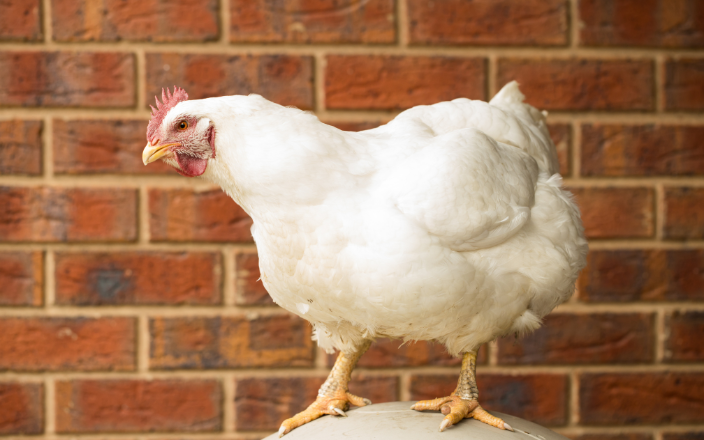
Crossing old chicken breeds with modern hybrids offers a promising pathway for broiler production, combining genetic resilience with high growth efficiency. This approach not only enhances productivity but also supports biodiversity and animal welfare.
Introduction
Broiler production has traditionally relied on modern hybrids such as Cobb 500 and Ross 308, known for their rapid growth and feed efficiency. However, crossing these hybrids with old, native breeds introduces traits like robustness, adaptability, and disease resistance, which are increasingly valued in sustainable poultry farming1.
Genetic Diversity and Biodiversity Preservation
Old chicken breeds, many of which are endangered, carry unique genetic traits that can strengthen broiler lines. Crossbreeding helps preserve biodiversity while improving flock resilience. For example, breeds like Ramelsloher and Bielefelder Kennhuhn have been successfully crossed with commercial parent stock, resulting in birds that maintain high productivity while contributing to genetic conservation.
Performance and Growth Efficiency
Modern hybrids excel in growth rate and carcass yield, but they often face challenges related to health and welfare. Comparative studies of Cobb 500 and Ross 308 highlight their efficiency in tropical climates, yet crossing them with native breeds can balance performance with improved adaptability. Crossbred broilers have shown the ability to utilize regional, low-energy feed more effectively, reducing production costs and environmental impact2.
Animal Welfare and Health Benefits
Animal welfare is a growing concern in poultry production. Crossbreeding has been linked to better behavioral outcomes and reduced stress indicators. While hybrids alone may face skeletal issues such as sternum fractures, crossbred birds demonstrate improved robustness and welfare scores under varied housing conditions. This makes them suitable for both organic and conventional systems.
Economic and Sustainability Considerations
From an economic perspective, crossbreeding can enhance efficiency by lowering feed costs and reducing losses due to disease or poor adaptability. Sustainability is also improved, as crossbred broilers can thrive on locally available feed resources, aligning with global goals for reducing reliance on high-energy imported feed. This dual advantage strengthens the case for integrating old breeds into modern broiler production strategies.
Conclusion
Crossing old chicken breeds with modern hybrids represents a strategic innovation for broiler production. It merges the productivity of commercial hybrids with the resilience and adaptability of native breeds, offering benefits in biodiversity preservation, animal welfare, feed efficiency, and sustainability. For producers seeking long-term viability, this approach provides a balanced solution that meets both market demands and ethical standards.
Sources:
1. Crossbreeding old chicken breeds with hybrids improves animal welfare (2026).