


In modern hatchery operations, every percentage of hatchability and chick quality matters. Among the many invisible threats to incubation success, hairline cracks in hatching eggs often go unnoticed, yet they can drastically impact outcomes.
Understanding what hairline cracks are, how they affect embryo development, and why they should never be set for incubation is crucial for every hatchery professional.
What is a hairline cracked egg?
A hairline cracked egg is an egg with a fine, often invisible fracture on the shell surface that does not cause complete breakage or leakage of contents.

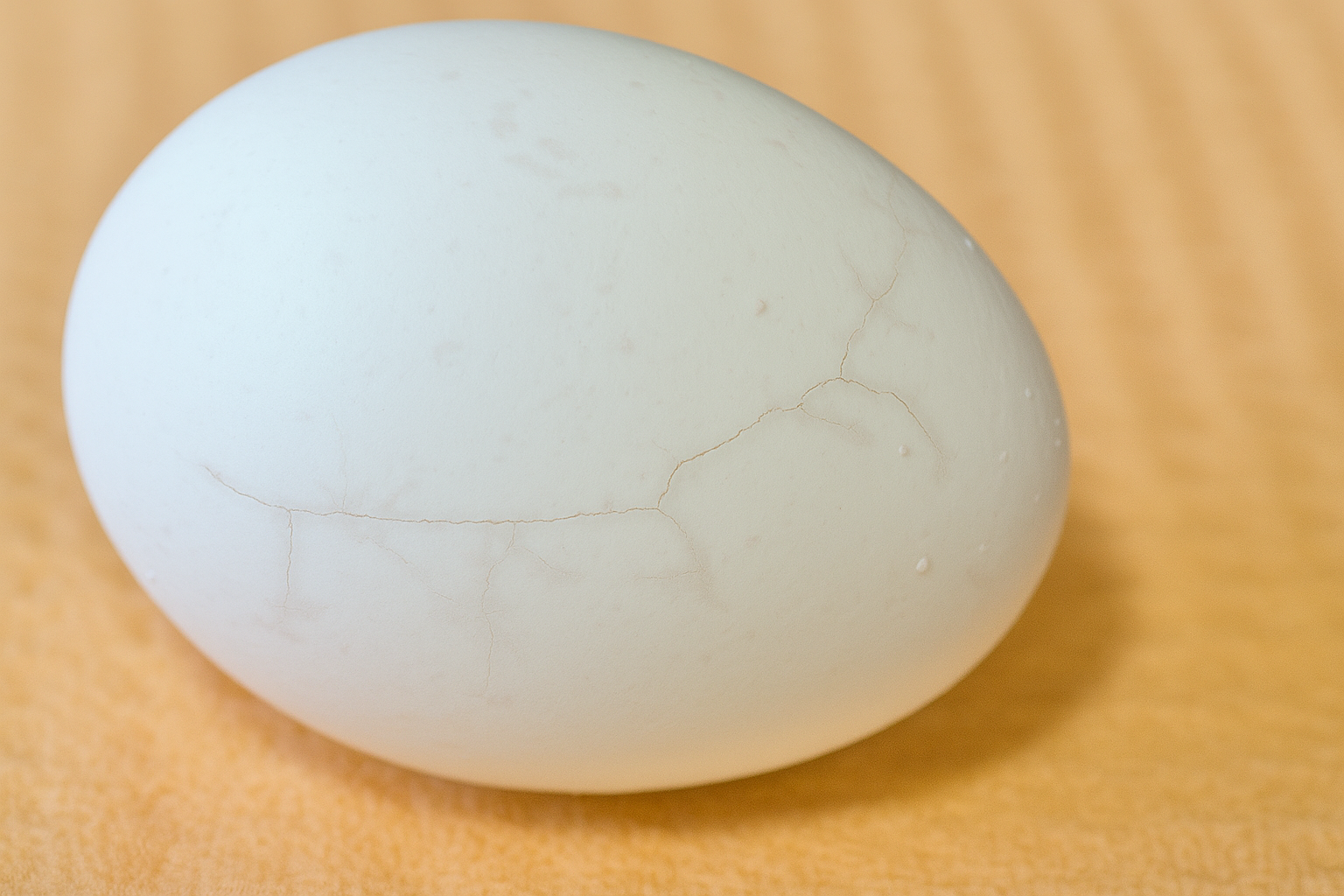
Figure 1: Hairline cracked egg.
These cracks are usually microscopic or faint lines caused by:
- Rough egg handling during collection, grading, or transport.
- Mechanical vibration during egg transfer.
- Incorrect egg packing or trolley movement.
- Sudden temperature changes between farm and hatchery storage rooms.
While these cracks may appear harmless, they compromise the eggshell’s integrity the embryo’s first line of defense.
How hairline cracks affect hatchability?
Eggshells are naturally designed to regulate gas exchange and protect the embryo from contamination. When a hairline crack is present, several negative outcomes occur:
(1) Increased moisture loss:
Cracked shells allow excessive evaporation of water during incubation. This leads to dehydrated embryos and poor weight loss control, resulting in late embryonic death or weak chicks at hatch.
(2) Higher risk of bacterial contamination:
Hairline cracks act as direct entry points for microorganisms. Even under optimal hatchery hygiene, bacteria can penetrate the shell and cause embryo mortality or exploder eggs, which further contaminate nearby eggs.
(3) Reduced hatchability:
Numerous studies and field data indicate a 15-40% reduction in hatchability from cracked eggs compared to intact ones. Many embryos die between days 10-18 of incubation due to infection or dehydration.
Impact on chick quality
Even when chicks hatch from cracked eggs, they are often inferior in quality:
- Chicks appear weak, dehydrated, and uneven in size.
- They have lower yolk absorption efficiency.
- They are more susceptible to post-hatch infections.
- Early chick mortality in the brooder phase increases significantly.
Such chicks often fail to meet standard grading criteria (A-grade chicks), leading to economic losses and poor farm performance.
Experimental study: Hairline crack vs normal hatching eggs
A controlled experiment was conducted at Classic Provita Agro Ltd-02 Hatchery (03-24 July 2025) to evaluate the impact of hairline cracks on incubation results.

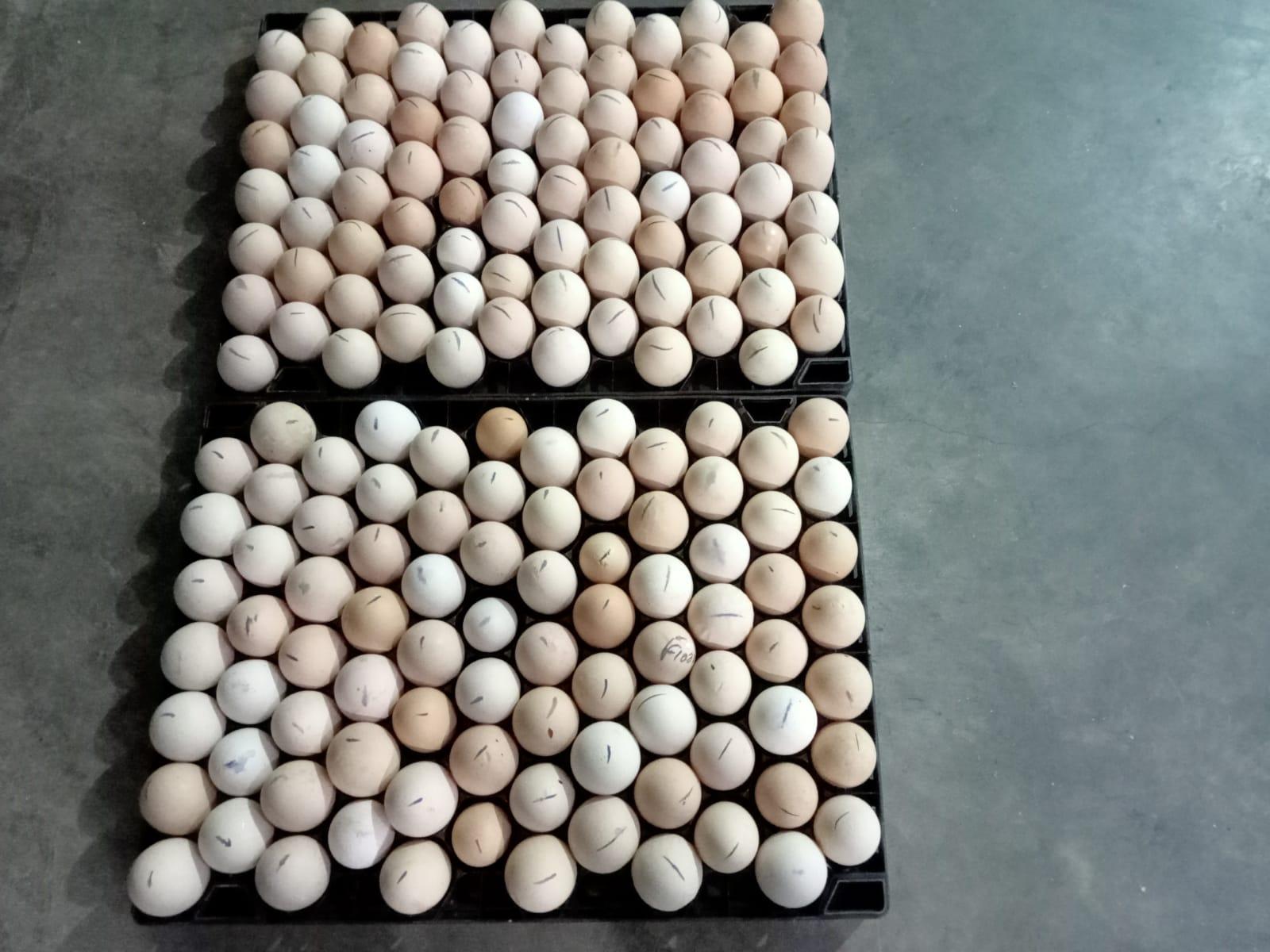
Figure 2: Hairline cracked eggs set in setter trays.
Experimental details:
- Flock: 20E (50 weeks) broiler breed.
- Total sample: 168 hairline crack eggs (compared with normal eggs from the same flock).
- Incubation: Same setters and hatchers under identical conditions.
- Parameters measured: candling %, bursting %, and hatchability % (on set eggs).

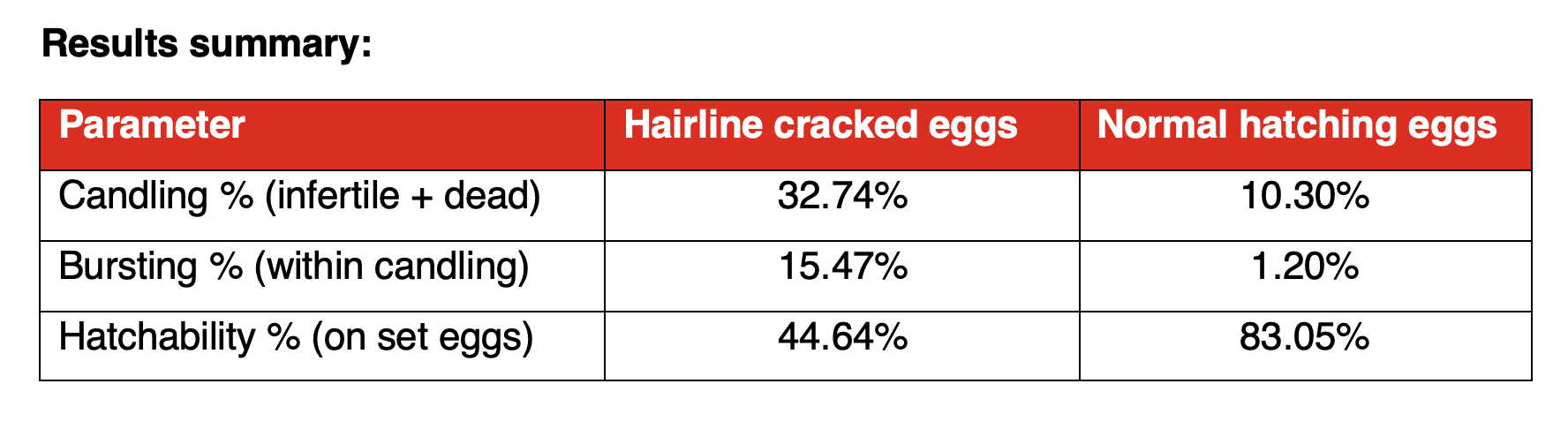
Interpretation:
- Hairline cracked eggs showed more than 3× higher candling losses, indicating poor embryonic development and fertility issues.
- The bursting rate (15.47%) was over 12 times higher than in normal eggs – a clear sign of contamination and compromised shell strength.
- Overall hatchability dropped by nearly 40 percentage points, from 83.05% to 44.64%.
This experiment also found that one hairline cracked egg can contaminate 3-4 surrounding eggs through bacterial leakage, amplifying the damage beyond the affected egg itself.
Why hairline crack eggs should be strictly avoided?
- Drastic hatchability loss: Up to 40% lower hatch rate compared to normal eggs.
- High contamination risk: Leads to exploders and cross-infection of healthy eggs.
- Inferior chick quality: Weak, non-uniform chicks reduce farm performance.
- Biosecurity hazard: Increased bacterial load can spread through hatchers, trays, and ventilation systems.
- Economic impact: Poor hatch rate and chick quality increase cost per chick and reduce hatchery profitability.
Conclusion
Hairline cracks are silent but serious threats to hatchery performance. They reduce hatchability, compromise chick quality, and introduce contamination risks that can affect the entire batch.
A successful hatchery program demands strict egg selection, handling discipline, and candling inspection.
As we say in incubation: “Every egg matters but only the perfect egg delivers perfect chicks.”
Incuba Forum Asia 2026
Rasel Ahmed will be speaking at Incuba Forum Asia 2026 in Indonesia on April 28-30, 2026.
His presentation title is “Optimizing incubation efficiency and chick quality: Practical strategies for modern hatchery management”.
For more information, sponsorship and to buy the registration ticket, please visit https://incubaforum.com/asia-2026/ or email to avinewsasia@grupoagrinews.com