


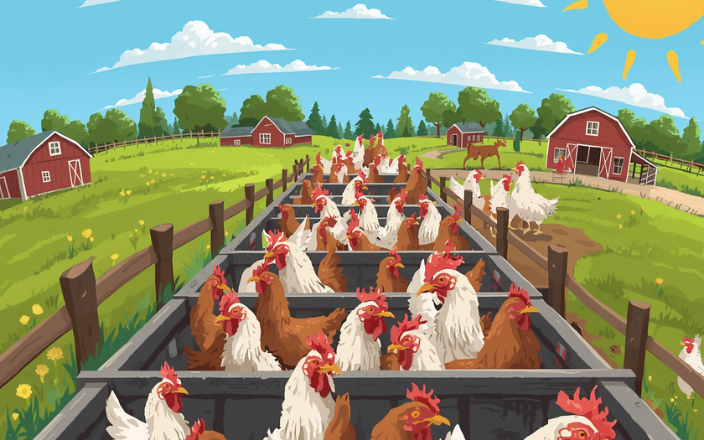
Efficient Transport of Poultry: A Growing Priority
Rising Demand and Logistics Challenges
The global poultry industry continues to expand as chickens and eggs remain among the most consumed animal proteins worldwide. With this growth comes the challenge of ensuring that poultry and poultry products are transported efficiently, safely, and sustainably. Logistics companies and producers are under increasing pressure to meet consumer demand while complying with strict biosecurity and animal welfare standards.
Biosecurity at the Core
Transporting live birds requires rigorous biosecurity measures to prevent the spread of diseases such as avian influenza or Newcastle disease. Vehicles must be disinfected before and after each trip, and routes are often planned to minimize contact with other farms. In many countries, regulations now mandate sealed containers and specialized ventilation systems to reduce stress on animals and lower the risk of contamination.
Cold Chain for Poultry Products
For processed poultry products—such as fresh meat, frozen cuts, and eggs—the cold chain is critical. Maintaining consistent refrigeration from farm to retail shelf ensures food safety and preserves quality. Modern refrigerated trucks are equipped with real-time monitoring systems that alert operators to any temperature fluctuations. This technology not only protects consumers but also reduces economic losses for producers.
Innovations in Transport Efficiency
Recent innovations are reshaping poultry logistics. GPS tracking and route optimization software help reduce fuel consumption and delivery times. Some companies are experimenting with electric or hybrid vehicles to cut carbon emissions. In addition, modular transport crates designed for easy cleaning and stacking improve both hygiene and efficiency. These advancements align with broader sustainability goals in the food industry.
Regional and Global Trade Implications
Efficient transport is not only a local concern but also a global one. Poultry exports from major producers such as Brazil, the United States, and the European Union depend on reliable logistics networks. Delays at ports or inadequate cold storage facilities can jeopardize entire shipments. As international trade grows, harmonized standards for transport and storage are becoming essential to maintain trust between trading partners.
Looking Ahead
The future of poultry transport lies in balancing efficiency, sustainability, and animal welfare. Industry leaders are investing in smart technologies, cleaner energy, and stricter biosecurity protocols. As consumer expectations rise, efficient transport will remain a cornerstone of the poultry supply chain, ensuring that products reach markets safely and responsibly.
Sources: Available upon request