Introduction
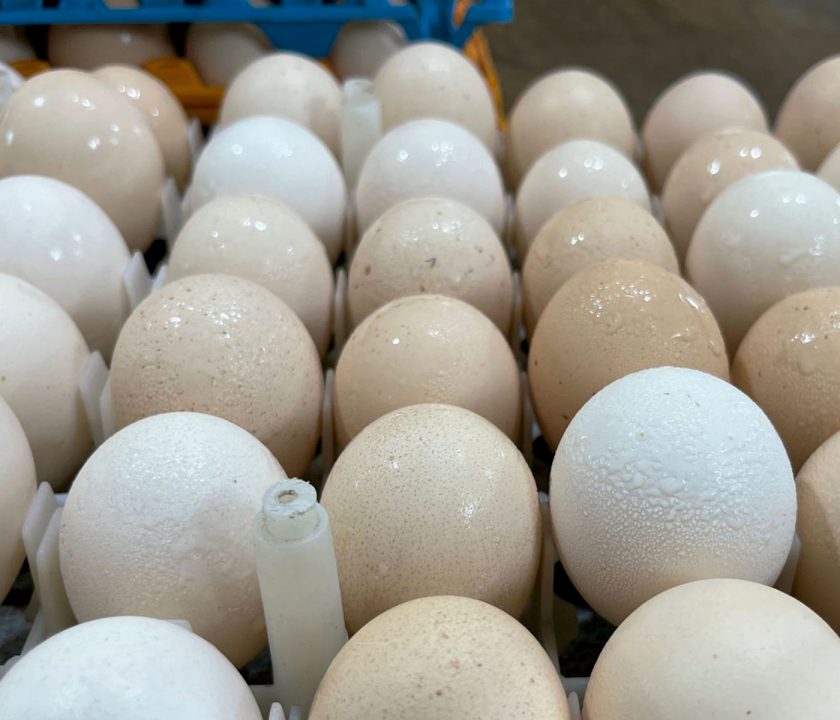
In commercial hatcheries, producing strong and healthy chicks depends on many factors. Temperature control, egg hygiene and correct handling of hatching eggs are all very important. However, one problem that is often ignored is egg condensation, also known as “sweating eggs.”
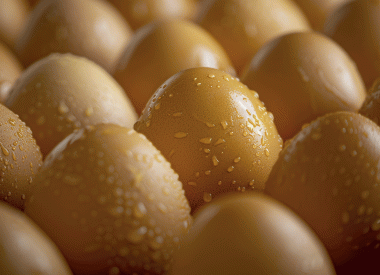
- Egg condensation happens when moisture forms on the eggshell surface. This usually occurs when eggs that are cold are suddenly exposed to warmer and humid air. Small water droplets appear on the eggshell.
- At first glance this may look harmless. But in reality, condensation can create serious problems in the hatchery. It can increase bacterial contamination, reduce hatchability and negatively affect chick quality.
- Because incubators operate in warm and humid conditions, they provide an ideal environment for bacteria to grow. If contaminated eggs enter the incubator, they may spread bacteria and affect many other eggs.
For this reason, preventing egg condensation is an important part of good hatchery management and biosecurity.
How egg condensation happens
Condensation is a simple physical process. It occurs when warm humid air touches a cooler surface.
- If the temperature of the eggshell is lower than the dew point of the surrounding air, moisture from the air changes into water droplets on the shell surface.
In hatcheries, condensation usually occurs in situations like:
- Moving eggs from cold storage to a warm room
- Placing eggs directly into the setter without pre-warming
- Transporting eggs under unstable temperature conditions
- High humidity in egg handling rooms
For example, hatching eggs are normally stored at about 16–18°C. If these eggs are moved directly into a room with 26–28°C temperature and high humidity, condensation will quickly appear on the eggshell.
The water droplets that form on the eggshell create a moist environment where bacteria can easily grow.

Why the eggshell is important
The eggshell protects the embryo but also allows gas exchange. A chicken eggshell contains thousands of very small pores. These pores allow oxygen to enter the egg and carbon dioxide to leave during incubation.
Normally the eggshell has several natural protection systems:
- The cuticle layer, which helps block bacteria
- The shell membranes, which filter microorganisms
- Natural antimicrobial substances inside the egg
But when condensation occurs, this protection can be weakened.
- Water droplets on the shell can dissolve dirt and bacteria that are present on the eggshell surface. This creates a thin liquid layer that helps bacteria move across the shell and enter the pores.
When the egg warms up again, the pressure inside the egg may pull contaminated water through the pores and into the egg. This increases the risk of infection.
Condensation and bacterial contamination
Eggshells are never completely clean. During laying, collection and transport, eggs can pick up bacteria from the environment.
Common bacteria found on eggshells include:
- Escherichia coli
- Salmonella
- Pseudomonas
- Staphylococcus
When condensation forms on the eggshell, bacteria can multiply quickly in the moisture.
The incubation environment makes the situation worse. Incubators usually operate at about 37.5-37.8°C with high humidity, which is ideal for bacterial growth.
If contaminated eggs enter the incubator, several problems may occur:
- Embryo infection
- Egg rots
- Exploder eggs
- Spread of bacteria inside the incubator
- Contamination of the hatchery environment
Once bacteria enter the egg and reach the embryo, they can cause embryonic death or serious infection.
Effects on embryonic development
Egg condensation can affect embryo development in several ways.
Reduced Gas Exchange
Water droplets can partially block the pores of the eggshell. When this happens, the movement of oxygen and carbon dioxide becomes less efficient.
The embryo may receive less oxygen, which can lead to:
- Slower growth
- Weak embryos
- Higher embryo mortality
Embryos in the later stages of incubation need more oxygen, so they are especially sensitive to this problem.
Temperature Stress
Condensation usually happens when eggs experience sudden temperature changes.
Early embryos are very sensitive to temperature stress. Rapid temperature changes during the first days of incubation can affect cell division and organ development.
This may lead to:
- Reduced embryo survival
- Developmental problems
- Early embryonic mortality
Higher risk of infection
When bacteria enter the egg, they may infect the embryo and cause diseases such as:
- Embryonic septicemia
- Tissue inflammation
- Egg rots
These infections can significantly reduce hatchability.

Impact on hatchability and chick quality
The effects of egg condensation do not stop at embryo mortality. They can also influence the quality of the chicks that hatch.
Lower hatchability
Bacterial contamination and embryo stress often lead to higher levels of:
- Early dead embryos
- Mid-stage embryo mortality
- Late dead embryos
As a result, the total hatchability of fertile eggs decreases.
Poor chick quality
Chicks that hatch from contaminated eggs may show several problems, such as:
- Weak vitality
- Poor navel closure
- Yolk sac infection (omphalitis)
- Dehydration
- Lower body weight
These chicks usually perform poorly on the farm and may show higher mortality during the first week of life.
For broiler producers, this means lower performance and reduced profitability.
How hatcheries can prevent egg condensation
Preventing condensation is mainly about good temperature management and proper egg handling.
Pre-warming the Eggs
One of the best ways to prevent condensation is gradual pre-warming.
Eggs should be slowly warmed before being placed in the setter.
Typical recommendations are:
- Storage temperature: 16–18°C
- Pre-warming temperature: 24–27°C
- Pre-warming time: 6–12 hours
Gradual warming allows the eggshell temperature to adjust slowly and prevents condensation.
Control room temperature and humidity
Egg handling rooms and setter rooms should maintain stable environmental conditions.
Recommended conditions are:
- Temperature: 20–22°C
- Relative humidity: 50–60%
High humidity increases the chance of condensation and should be avoided.
Avoid sudden temperature changes
Eggs should never move directly from cold storage to warm incubators.
A good hatchery workflow should follow this order:
Egg storage → Pre-warming room → Setter
- This step-by-step process helps prevent sudden temperature differences.
Maintain good transport conditions
Temperature fluctuations during egg transport from the breeder farm to the hatchery can also cause condensation.
To prevent this:
- Use insulated transport vehicles
- Maintain stable temperatures
- Protect eggs from cold and humid environments
Proper transportation helps keep eggs at stable temperatures.
Egg Sanitation
Reducing bacteria on the eggshell is also important.
Common egg sanitation methods include:
- Formaldehyde fumigation
- Hydrogen peroxide spraying
- UV disinfection systems
Sanitation should be done soon after egg collection to reduce bacterial contamination.
Strong hatchery biosecurity
Good hatchery hygiene further reduces the risk of contamination.
Important practices include:
- Cleaning and disinfecting egg trays regularly
- Maintaining good airflow in the hatchery
- Separating clean and dirty areas
- Monitoring bacterial levels in the hatchery

Conclusion
Egg condensation is a small problem that can lead to big losses in hatcheries. When moisture forms on the eggshell, it creates conditions that allow bacteria to grow and enter the egg. This can damage embryo development, reduce hatchability, and produce weak chicks.
- Because incubators provide warm and humid conditions, contaminated eggs can quickly spread bacteria inside the hatchery.
- For this reason, preventing condensation should be a key part of hatchery management.
- By using proper egg pre-warming, stable temperature control, careful transportation, and good sanitation practices, hatcheries can greatly reduce the risk of condensation and improve both hatchability and chick quality.
- Good control of egg handling conditions helps ensure that hatcheries produce healthy chicks with strong performance on the farm.