


This post is also available in:
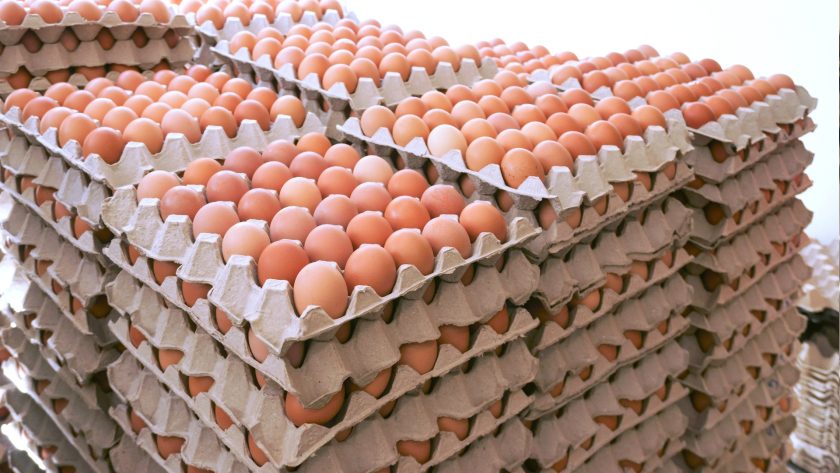
Farmgate egg prices in Vietnam have fallen to low levels, in some cases below production costs, while retail prices remain significantly higher.
This gap highlights the costs added throughout the distribution chain. As a result, poultry farmers struggling to remain profitable, even as consumers continue to pay prices that do not reflect the low returns received by producers.
Layer farmers face mounting losses
Poultry farmers are under growing pressure as farmgate prices remain near or below production costs.
Production costs for chicken eggs are currently estimated at USD 0.08-0.09/egg. However, farmgate prices generally remain below USD 0.08, leaving farmers with losses of about USD 0.01/egg.
Although larger eggs can sell for about USD 0.09 each, they make up only a small share of production. Consequently, higher-priced eggs provide limited relief from overall losses.
With margins under sustained pressure, many small farms have reduced flock sizes to keep operating and generate enough income to repay bank loans. Some farms have opted to cease operations rather than absorb limit further losses.
Nguyen Van Nhan, who owns a layer farm with more than 200,000 hens in Dong Nai Province, said farmgate egg prices are currently only about half the prices paid by consumers in supermarkets and shopping centers. He said farmers should not be absorbing losses while intermediaries earn substantial margins and consumers continue to pay high retail prices.
Vuong Dung, who operates a farm with nearly 30,000 chickens in Xuan Lap Ward, Dong Nai Province, reported a similar situation. He said farmgate prices have not risen proportionately, even when market prices increased sharply following heavy rain and storms.
At one point, retail egg prices approached USD 0.16/egg. Yet farmgate prices remained around USD 0.11, while the largest eggs fetched approximately USD 0.12 each.
Distribution costs widen the price gap
Lam Thuy Ai, Chairwoman of the Mekong Business Club in Ho Chi Minh City, said that a comprehensive assessment of layer farm operating costs suggest producers are unlikely to avoid losses at current purchasing prices.
She noted that eggs accumulate numerous after leaving the farm. These include inspection and quarantine, labor, electricity and water, packaging, labelling, transportation and, distribution expenses. For example, an egg purchased at the farm for USD 0.07 may retail for around USD 0.11.
Ms Ai said commissions and discounts within distribution networks deserve closer scrutiny to help bring retail prices down. At the same time, she cautioned against cutting costs by reducing egg size or compromising product quality, as this could negatively affect consumer interest.
Shorter supply chains could improve returns
The gap between farmgate and retail prices is not limited to eggs. Similar concerns exist across chicken meat and other livestock products.

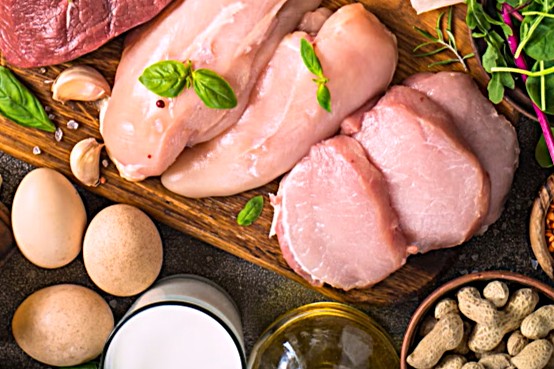
The widening gap between farm and retail prices is also affecting chicken meat and other livestock products.
Nguyen Van Ngoc, Vice-Chairman of the Eastern Poultry Association, said poultry products often pass through multiple layers of intermediaries before reaching consumers. These include traders and multiple tiers of buyers, with each stage adding costs and capturing part of the final margin.
As a result, farmers who continue to shoulder losses while retail prices remain elevated.
Mr Ngoc argued that the difference between farmgate and retail prices should remain within a reasonable range of around 20%. To achieve this, he said distribution companies should strengthen direct purchasing arrangements with farms and carry out packaging at the production site.
These measures could eliminate unnecessary intermediaries, reduce costs, and create fairer balance between farmer and consumer interests.
Building more efficient poultry logistics
Stronger supply chain integration is also a long-term solution. Under Decision No. 2152/QD-BNNMT, issued by the Ministry of Agriculture and Environment, logistics systems should be developed alongside production areas to better connect farms, processors, and markets.
The policy encourages investment in collection hubs, cold storage infrastructure, transportation fleets, and product-specific preservation services.
For the poultry sector, potential measures include:
- establishing collection, grading, and packaging facilities near farming areas;
- expanding specialized storage and transportation capacity; and
- encouraging cooperatives, businesses, and traders to participate in contract-based purchasing chains with transparent quality standards and pricing information.
By organizing collection, storage, and transportation on a larger scale, the sector could reduce intermediary costs and product losses. This would expand marketing opportunities for farmers while helping consumers access poultry products at more affordable prices.
Distribution challenges extend beyond eggs
Price disparities are also evident in Vietnam’s pork market. Average live pig prices are around USD 1.90/kg, while carcass pork at wholesale markets in Ho Chi Minh City sells for about USD 2.69/kg. Retail prices range from USD 2.62/kg for pork fat to USD 6.27/kg for baby back ribs.
Egg prices show a similar pattern. Average farmgate prices are approximately USD 0.06/egg in southern and central Vietnam and USD 0.07 in the north. Meanwhile, retail prices typically range from USD 0.13–0.14/egg.
Nguyen Van Muoi, Chairman of the Tropical Agriculture Business Club, said these differences reflect the many stages involved in distribution, from including traders, wholesale markets, distributors, traditional retailers, and supermarkets.
While each stage serves a purpose, fragmented supply chains and limited coordination can substantially increase the final consumer price.
Transportation costs also remain a significant challenge. Logistics costs in Vietnam account for an estimated 16–20% of total costs, compared with 8–10% in some other countries. Infrastructure constraints and transport-related charges further increase the cost of moving products from farms to market.
Mr Muoi proposed reviewing discount arrangements within retail networks. He noted that rates vary among businesses and lack a clear regulatory framework.
Ultimately, narrowing the gap between farmgate and retail prices will require coordinated efforts across the supply chain. For the poultry sector, reducing unnecessary intermediaries, improving cost transparency, and strengthening direct links between farms and distributors could help improve market access and returns for producers while easing price pressures on consumers.