


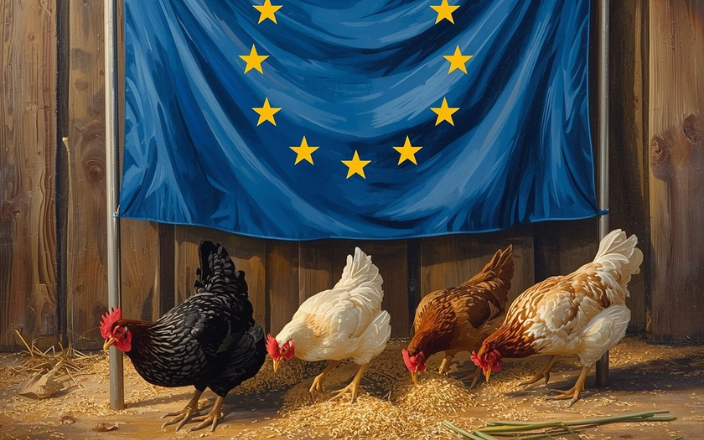
EU is facing a surge in highly pathogenic avian influenza (HPAI) outbreaks this winter, with over 440 domestic bird outbreaks and nearly 2,500 in wild birds across 29 countries between September and late November 2025. Wild waterfowl—ducks, geese, swans—and other species like common cranes are highly affected. The heightened circulation raises concern for spillover to mammals and, potentially, humans.
Strengthened EU preparedness framework
In response, the European Commission and the ECDC have released updated guidelines to bolster early detection and rapid response. These include a 14‑scenario response model, ranging from heightened surveillance to full crisis mode for potential human cases. The guidance integrates a One Health approach, emphasizing coordination across veterinary, agricultural, and public health agencies.
Key measures and recommendations
- Enhanced surveillance:
- Expand testing in wild birds, poultry, and mammals like foxes, cats, and cattle.
- EFSA and ECDC stress genomic sequencing to monitor evolving H5N1 variants.
- Biosecurity and containment:
- Mandate housing poultry in affected zones, with 3 km protection and 10 km surveillance rings post-outbreak.
- Apply stamping‑out protocols, safe disposal of contaminated waste, and enhanced hygiene measures on farms.
- Rapid diagnostic tools:
- Encourage the adoption of point-of-care tests for rapid flock-level detection, allowing quicker quarantines and containment.
- Protecting at-risk workers:
- Ensure poultry workers, vets, and slaughterhouse staff have personal protective equipment (PPE), including masks and gloves, alongside prioritized vaccination plans.
Zoonotic hotspots and mammal cases
Occasional spillover into mammals, including cats, foxes, mink, and even dairy cows in the U.S., has led EU agencies to extend surveillance beyond birds. Updated EC guidance now covers prevention and response to HPAI in non-avian species and dairy products.
Border measures and communication
Precautions now include heightened testing at ports and airports, especially during crisis-phase alerts. Equally important, transparent public communication is mandated to avoid undue panic while providing clear guidance—particularly to those in contact with animals or wildlife.
A one health strategy in action
- The updated guidelines reflect a comprehensive One Health strategy.
- They integrate veterinary surveillance, agricultural control, public health readiness, and cross-border coordination.
- Agencies like EFSA, ECDC, EMA, EU‑OSHA, and national reference labs are working together to implement these measures.
As Europe confronts its worst bird flu season in nearly a decade, these EU updates aim to strengthen disease prevention, early detection, and effective response—mitigating health risks for animals and people alike, and reducing the chance of a potential pandemic.
Sources: Available upon request