


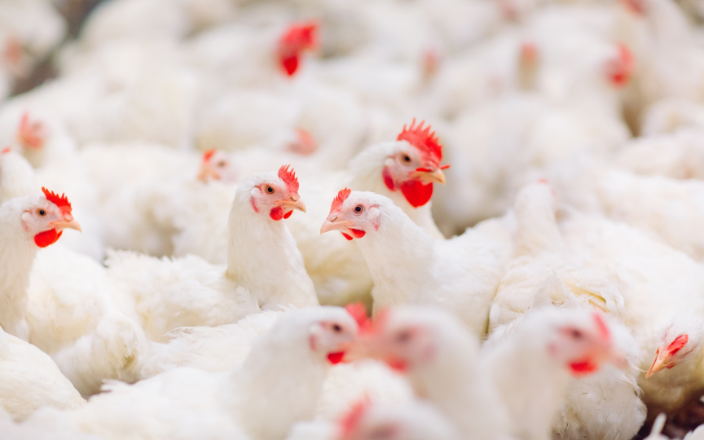
Gene editing and artificial intelligence are reshaping poultry production in 2026, with CRISPR-based disease resistance and AI-driven flock management emerging as critical tools against avian influenza and industry challenges.
Researchers at the University of Missouri are testing CRISPR technology to make chickens more resistant to highly pathogenic avian influenza (HPAI). The approach targets genes such as the ANP32 family, which play a role in viral replication. Early studies show reduced virus replication and transmission, though full immunity is not expected. The USDA reports that HPAI has caused the death or culling of over 200 million birds between 2022 and 2026, underscoring the urgency of new solutions1.
Market and Regulatory Challenges
While promising, gene-edited poultry faces hurdles in consumer acceptance and regulatory approval. Many buyers still conflate gene editing with genetically modified organisms (GMOs), raising concerns about market adoption. Long-term safety, productivity, and performance across diverse strains must be proven before commercial rollout. Experts estimate widespread availability is still several years away1.
AI and Automation: The Brain of Modern Poultry Farms
Beyond genetics, artificial intelligence (AI) is revolutionizing poultry farming. AI-powered monitoring systems now detect flock health issues before they become visible, improving disease prevention and efficiency. In 2026, AI is being integrated into hatcheries, broiler houses, and breeder operations, enabling predictive management and reducing reliance on manual observation. This shift is considered one of the fastest technology adoption cycles in poultry history2.
Emerging Tools for Disease Control
Other innovative technologies are also being tested:
- Far-UVC light systems to prevent HPAI spread in poultry houses.
- Mealworm-based vaccines using gene-edited insects to deliver immunity.
- Nitrogen depopulation methods to improve welfare during culling operations. These approaches highlight the industry’s multi-pronged strategy to combat disease while addressing welfare and sustainability concerns.
Global Context: World Poultry Congress 2026
The upcoming World Poultry Congress (WPC) in Toronto (July 13–17, 2026) will showcase these breakthroughs, including CRISPR applications, AI-driven management, and novel disease-prevention tools. The event is expected to set the tone for global adoption and regulatory discussions.
Conclusion
The poultry industry in 2026 is at a turning point:
- Gene editing offers targeted resistance to avian influenza.
- AI and automation provide predictive, data-driven management.
- Novel technologies like UVC light and insect-based vaccines expand disease control options.
Together, these innovations promise a more resilient, efficient, and welfare-conscious poultry sector, though consumer acceptance and regulatory approval remain decisive challenges.
Sources:
1. Gene-edited chickens could resist bird flu (2026).
2. Top 15 Poultry Technology Trends of 2026: AI, Smart Hatcheries (2026).