


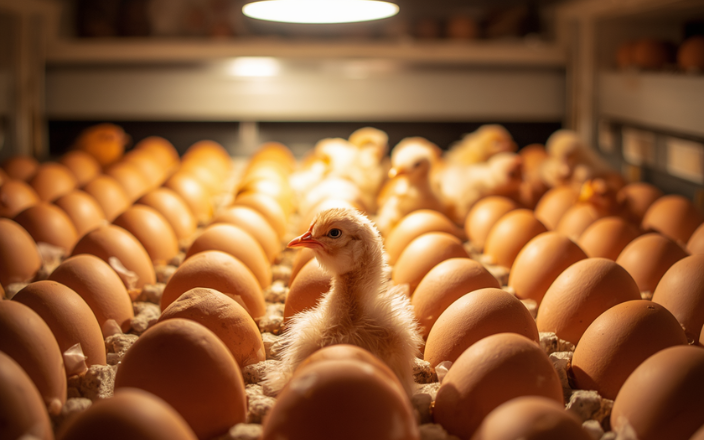
Genetics and breeding play a decisive role in modern poultry incubation and hatchery management. By selecting optimal genetic lines and applying advanced breeding strategies, hatcheries can improve chick quality, survival rates, and long-term productivity. This integration of science and practice ensures that incubation is not only a biological process but also a strategic step in poultry production.
Genetic Influence on Embryo Development
The genetic background of breeder flocks directly affects embryo viability and hatchability. Traits such as fertility, egg size, and shell quality are heritable and can be enhanced through selective breeding. For example, lines with stronger eggshells reduce the risk of contamination and mechanical damage during incubation. Similarly, genetic selection for uniform egg size contributes to synchronized hatching, which simplifies chick management.
Breeding for Disease Resistance
One of the most significant advances in poultry genetics is the identification of lines resistant to common pathogens. Breeding programs now incorporate markers for disease resistance, reducing the need for antibiotics and improving biosecurity in hatcheries. This genetic resilience translates into healthier chicks, lower mortality rates, and more sustainable production systems.
Impact on Hatchery Efficiency
Genetics and breeding also influence hatchery efficiency. Broiler and layer strains are bred for specific performance traits, such as rapid growth or high egg yield. These traits affect incubation parameters, including temperature and humidity requirements. Hatchery managers must adapt incubation protocols to the genetic profile of the flock, ensuring optimal conditions for each strain. Precision breeding thus demands precision incubation.
Advances in Genomic Tools
The use of genomic selection and molecular markers has revolutionized breeding strategies. Hatcheries benefit from these tools by receiving chicks with predictable performance outcomes. Genomic insights allow breeders to select for traits like feed efficiency, skeletal strength, and stress tolerance. This reduces variability in hatchery results and enhances overall flock uniformity.
Challenges and Ethical Considerations
Despite the benefits, genetic manipulation raises ethical and practical concerns. Overemphasis on production traits may compromise animal welfare, leading to issues such as leg disorders or reduced reproductive capacity. Hatchery managers must balance productivity goals with welfare standards, ensuring that breeding strategies align with sustainable and ethical practices.
Conclusion
Genetics and breeding are inseparable from incubation and hatchery management. By integrating advanced breeding programs with precise incubation techniques, the poultry industry can achieve higher efficiency, better chick quality, and improved sustainability. The future of hatcheries lies in harnessing genetic potential responsibly, ensuring that productivity and animal welfare go hand in hand.
Sources: Available upon request