


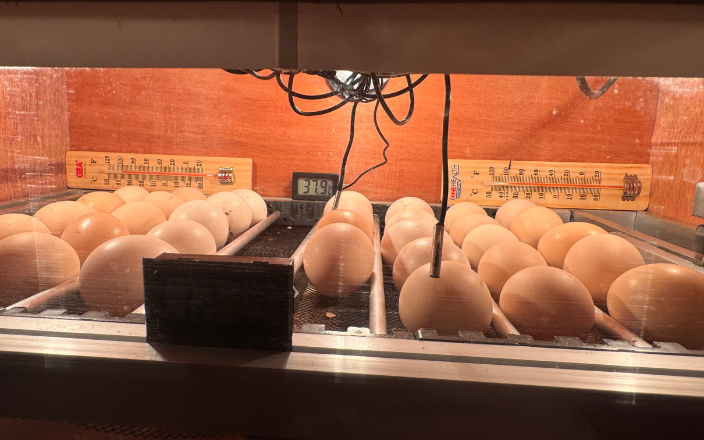
Hatcheries in the global poultry industry
Hatcheries are critical to the global poultry industry, serving as the foundation for healthy flocks and efficient production. However, they are also vulnerable to a range of pathologies that can compromise chick quality, productivity, and biosecurity. Understanding the main diseases and disorders affecting hatcheries worldwide is essential for prevention and control.
Bacterial Infections
One of the most common challenges in hatcheries is bacterial contamination. Salmonella spp. and Escherichia coli are particularly problematic, as they can be transmitted vertically from breeders or horizontally through contaminated equipment. These pathogens often cause high chick mortality, poor growth, and increased susceptibility to secondary infections. Strict hygiene protocols, egg disinfection, and monitoring programs are vital to reduce bacterial load.
Viral Pathologies
Viruses represent another major threat. Avian Influenza (AI) and Newcastle Disease Virus (NDV) are globally recognized for their devastating impact on hatcheries and poultry farms. Both can spread rapidly, leading to severe respiratory and systemic symptoms in chicks. Additionally, Infectious Bronchitis Virus (IBV) can impair chick development and reduce hatchability. Vaccination of breeder flocks and robust biosecurity measures remain the most effective defenses.
Fungal Contamination
Fungal infections, though less frequent, can still cause significant losses. Aspergillus fumigatus is the primary agent of aspergillosis, a respiratory disease in chicks. Contaminated incubators, poor ventilation, and moldy litter are common sources. Symptoms include respiratory distress and high early mortality. Preventive strategies focus on maintaining clean incubation environments and controlling humidity levels.
Parasitic Concerns
While parasites are less commonly associated with hatcheries compared to farms, protozoa such as Eimeria spp. may occasionally contaminate eggs or equipment. Early exposure can predispose chicks to coccidiosis once they reach the farm. Preventive cleaning and monitoring are essential to minimize risks.
Non-Infectious Disorders
Beyond infectious agents, hatcheries also face non-pathological issues that affect chick quality. Examples include malformations due to poor incubation conditions, dehydration from delayed chick removal, and omphalitis linked to improper navel healing. These conditions highlight the importance of precise incubation management and careful handling practices.
Global Impact and Control Strategies
Worldwide, hatchery pathologies contribute to economic losses, reduced productivity, and compromised animal welfare. Control strategies emphasize:
- Rigorous biosecurity and sanitation protocols
- Monitoring breeder flocks for vertical transmission
- Vaccination against major viral diseases
- Environmental management to prevent fungal growth
- Staff training to ensure proper chick handling
Conclusion
Hatcheries are the cornerstone of poultry production, but they remain vulnerable to diverse pathologies. By combining biosecurity, vaccination, and environmental control, the industry can mitigate risks and ensure the delivery of healthy chicks to farms. Continuous vigilance and global cooperation are essential to safeguard hatchery operations against these persistent threats.
Sources: Available upon request