


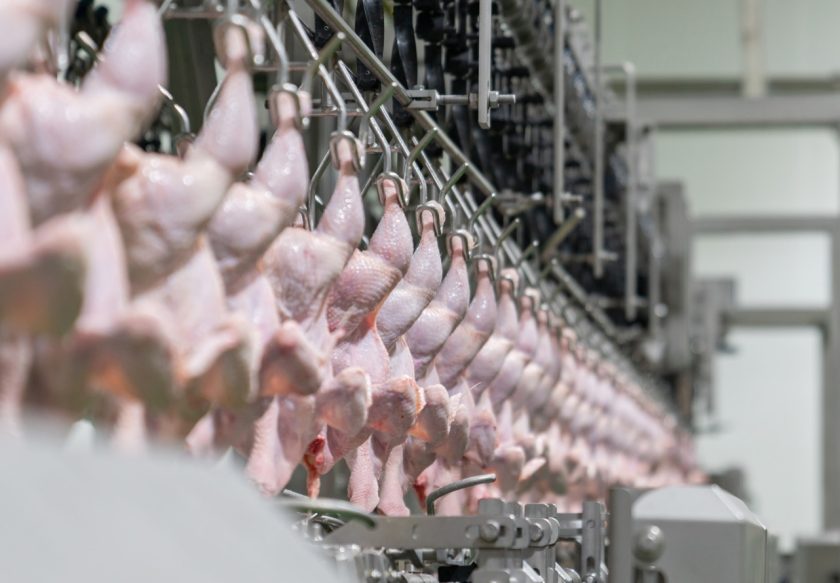
Global demand for Halal-certified broiler chicken has risen sharply in recent years. This growth reflects both expanding Muslim populations and increasing recognition of Halal standards among non-Muslim consumers.
Countries such as Malaysia and Indonesia have established strong certification systems, while the Middle East remains a hub for Halal poultry trade. In Europe, debates on animal welfare and Halal slaughter highlight regulatory tensions. North America and Australia face decentralized certification landscapes, creating consumer confusion.
A systematic review conducted by Indonesian researchers examined how theoretical frameworks can strengthen Halal supply chain management in broiler chicken production. Their findings highlight both progress and persistent gaps.
Frameworks that shape Halal integrity
Several frameworks have been developed to guide halal supply chain management, each offering a different lens on how integrity can be maintained. The Halal Assurance System provides a structured approach, ensuring compliance is monitored across every stage of production.
Building on this, the Halal Supply Chain Model blends conventional supply chain principles with halal-specific requirements, creating a more holistic view of the processes involved. Meanwhile, the Halal Risk Management Framework directs attention to vulnerabilities, focusing on how risks of non-compliance can be identified and reduced before they undermine consumer trust.
Together, these frameworks illustrate the breadth of strategies available, yet they also reveal the need for stronger empirical validation and integration with modern technologies..
These frameworks provide valuable guidance but often lack empirical validation. Scholars note the need for integrating modern technologies such as blockchain and IoT to enhance transparency and traceability.
From farm to fork: Critical Halal stages
The Halal supply chain includes several stages, each with distinct requirements:
- Rearing: Chickens must be fed Halal-certified feed.
- Slaughtering: Must be performed by a Muslim following Islamic guidelines.
- Processing and Packaging: Strict measures are needed to prevent cross-contamination.
- Distribution: Products must remain segregated and handled properly to preserve Halal integrity.
Maintaining compliance across these stages requires robust management practices, staff training, and regular audits. Emerging technologies such as real-time monitoring and digital certification offer promising solutions.
Challenges that threaten trust
Common challenges include segregation of Halal and non-Halal products, humane treatment of animals, and differing regulatory standards across regions. Consumer trust depends on consistent certification and transparent communication.
Despite growing literature, theoretical integration remains limited. Most studies focus on logistics or consumer behavior without unifying these aspects under a coherent framework. This fragmentation hinders sustainable improvements.
Future research should explore technology integration, sustainability practices, and consumer behavior. Developing holistic theoretical models can strengthen Halal supply chains and enhance resilience in global markets.
Why theory matters for practice
By consolidating their findings, the researchers underscored the importance of theory in guiding practice. A robust theoretical foundation can help policymakers, businesses, and certifying bodies understand how institutions, market forces, and cultural contexts shape Halal supply chains.
Such insights can foster ethical, transparent, and sustainable practices. They also build consumer confidence, ensuring Halal products remain credible and competitive in diverse markets.