


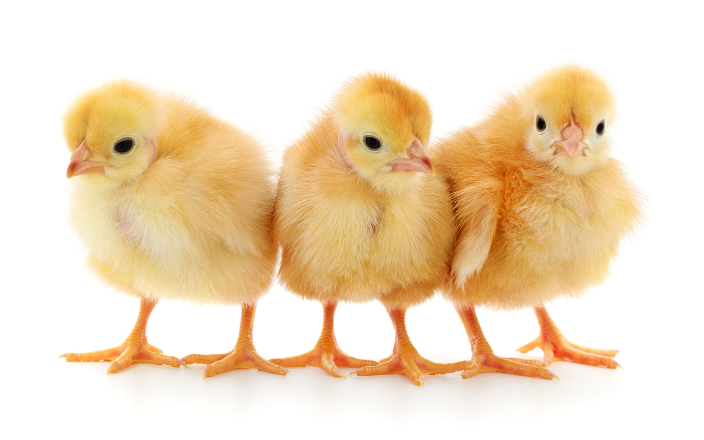
Hatching systems significantly influence chick quality, welfare, and health, with on-farm hatching showing both benefits and risks compared to traditional hatchery systems. Early access to feed and water can improve development, but inconsistent outcomes highlight the need for careful management.
Chick Quality and Early Development
Chick quality is a critical determinant of long-term flock performance. Traditional hatchery systems often involve delayed access to feed and water, which can impair early growth and increase stress. Studies show that on-farm hatching provides immediate access to feed and water, potentially improving navel healing and reducing dehydration. However, some trials report worse chick quality scores in on-farm systems, suggesting variability depending on management practices1.
Welfare Considerations
Welfare outcomes are closely tied to handling and transport. Hatchery-hatched chicks are exposed to stressful handling, long transport, and delayed feeding, which can negatively affect behavior and resilience. On-farm hatching reduces these stressors, allowing chicks to rest more and exhibit calmer behavior. Nevertheless, welfare indicators such as gait scores and play behavior show limited differences between systems, indicating that welfare benefits may be subtle and context-dependent2.
Health Implications
Health outcomes vary across hatching systems. On-farm hatching has been linked to greater bursa weights, suggesting enhanced immune development. Conversely, some systems with early feed and water access showed higher mortality rates and increased skeletal disorders like tibial dyschondroplasia. These findings highlight that while alternative hatching systems can promote immune organ development, they may also introduce health risks if not properly managed.
Performance and Long-Term Effects
Performance metrics such as body weight, feed conversion ratio (FCR), and mortality are essential for evaluating hatching systems. Research indicates that traditional hatchery chicks often achieve better FCR, while on-farm hatched chicks may show higher resting behavior and improved immune traits. Starter feeding strategies combined with hatching systems also influence intestinal health and bone mineralization, underscoring the importance of integrated management approaches .
Conclusion
The choice of hatching system has multifaceted effects on chick quality, welfare, and health. On-farm hatching offers clear welfare advantages by reducing handling stress and providing immediate access to feed and water, but it also carries risks of inconsistent chick quality and health challenges. Traditional hatchery systems remain more predictable in performance outcomes, though they may compromise welfare. Ultimately, optimal results depend on balancing welfare improvements with careful monitoring of health and performance indicators. Adopting alternative hatching systems requires strict management protocols to ensure benefits in welfare and immune development are not offset by increased mortality or skeletal issues.
Sources: