


Infectious Bursal Disease (IBD) remains one of the most economically damaging immunosuppressive diseases in poultry worldwide. The virus specifically targets the bursa of Fabricius, weakening immune competence and leaving flocks vulnerable to secondary infections. This immunosuppression reduces vaccine responsiveness and contributes to chronic productivity losses.
Over recent years, new variant strains belonging to Genogroup 2 (G2) have emerged across Asia and the Americas. These variants raise concerns about vaccine escape and reduced protection in broiler operations.
Despite reports from neighboring countries, the Philippines has lacked comprehensive genetic and epidemiological studies documenting the circulation and evolution of these G2 strains.
First phylogenetic analysis in the Philippines
This study represents one of the first complete phylogenetic analyses of G2 IBD viruses circulating in Philippine broiler farms. It provides critical insights into genetic diversity, relatedness, and implications for vaccination strategies.
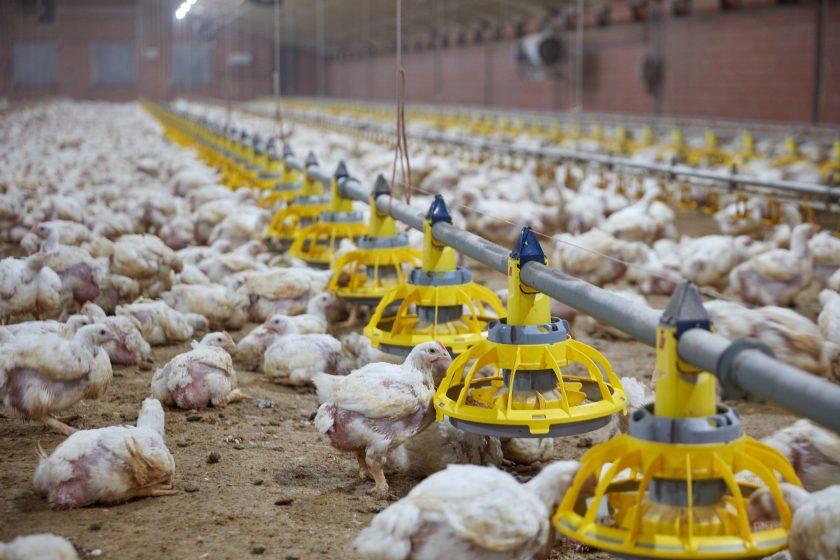
Eight commercial farms were selected, each housing between 100,000 and 250,000 birds. These farms reported recurring IBD problems, including bursal atrophy, elevated mortality, and reduced performance despite standard vaccination schedules. From birds aged 28-35 days, bursal tissue samples were collected and tested through molecular methods. A total of 18 nucleotide sequences from the hypervariable region of the VP2 gene were successfully obtained.
The VP2 hypervariable region is known for rapid mutation and plays a major role in determining antigenic properties. This makes it a critical target for phylogenetic studies. When compared with reference sequences from China, Malaysia, Egypt, Japan, and South Korea, Philippine isolates showed only 90–93% nucleotide identity. This lower similarity suggests that G2 viruses circulating in the Philippines have taken a distinct evolutionary pathway, shaped by localized pressures, management systems, and historical vaccine use.
Interestingly, Philippine samples showed very high similarity among themselves, ranging from 96-99%. This indicates that while local strains differ from those in neighboring countries, they form a tightly clustered and relatively homogeneous group within the Philippines. This pattern of divergence across countries but similarity within regions has been observed in other studies from Asia and the Americas. It suggests sustained internal transmission and the establishment of endemic G2 variants within the country.
Vaccination challenges
The implications of these findings are significant for vaccine effectiveness. Current commercial Del‑E variant vaccines, widely used in broiler operations, may not provide optimal protection against emergent Philippine G2 strains. Previous research has shown that even small antigenic differences in VP2 can substantially alter antibody neutralization. This mismatch between vaccine strains and circulating field viruses may contribute to persistent subclinical infections, chronic immunosuppression, and continued economic losses.
The study emphasizes the importance of reevaluating vaccination protocols. One promising strategy is the use of live vaccines with strong competitive exclusion capabilities. These vaccines replicate early, outcompete field viruses, and establish protective immune responses before natural infection occurs. They may reduce viral replication, shedding, and environmental contamination. Additionally, next‑generation vaccines developed from seed strains closely matching the antigenic profile of Philippine G2 isolates should be considered.
Surveillance and regional collaboration
Beyond vaccination, continuous molecular surveillance is essential. As poultry production in the Philippines intensifies, risks associated with viral evolution, genetic drift, and transboundary disease movement increase. Routine genetic monitoring of field strains would allow producers and veterinarians to detect emerging variants and adapt control measures quickly. Molecular epidemiology should become an integral part of national poultry health programs, enabling early detection and rapid response to viral changes.
The relevance of this study extends beyond Philippine borders. Neighboring Southeast Asian countries face similar challenges with new IBDV variants. By contributing local genomic data and evidence‑based insights, this research supports regional efforts to develop coordinated disease management frameworks. Such collaboration may include shared genomic databases, harmonized surveillance systems, and comparative vaccine efficacy studies across countries.
Path forward for poultry health
This study provides essential baseline information on the genetic characteristics of Genogroup 2 IBD viruses circulating in Philippine broiler farms. The high intra‑country relatedness, coupled with significant divergence from international strains, highlights the need for localized, science‑based vaccination and disease control approaches. Strengthened surveillance, targeted vaccination strategies, and improved biosecurity measures will be crucial to maintaining flock health and ensuring the long‑term sustainability of the nation’s poultry sector.