


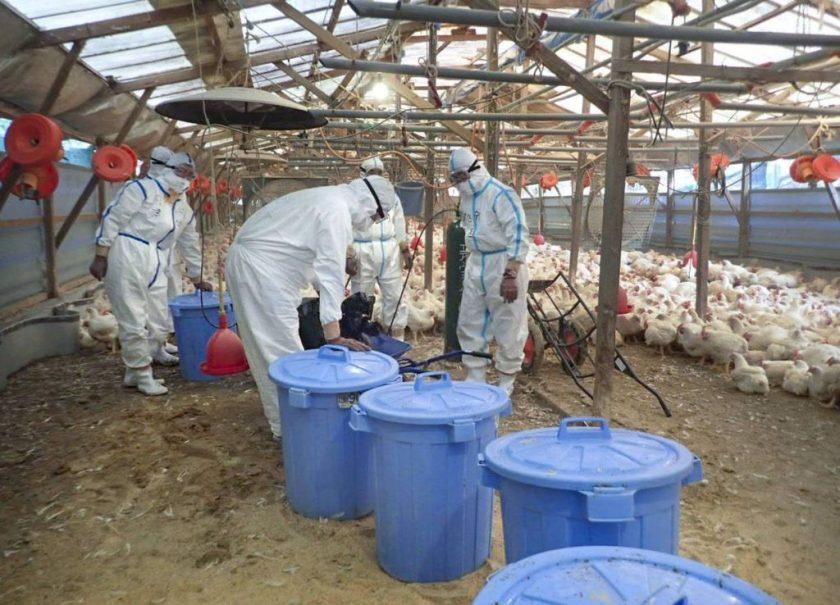
Japan has confirmed a new outbreak of highly pathogenic avian influenza (HPAI) at a poultry farm in Ibaraki Prefecture. It is the first case in eastern Japan this season and has prompted the largest single culling operation in the country so far.
The Ibaraki prefectural government said the outbreak was detected at a chicken layer farm in Shirosato. Authorities will cull approximately 970,000 birds to contain the virus. This represents the most significant cull linked to a single farm in Japan during the current season.
The latest detection brings the total number of confirmed HPAI outbreaks at poultry farms in Japan this season to 10. Nationwide, about 3.65 million chickens have already been culled.
Rising biosecurity concerns
Japan’s poultry industry remains on high alert as avian influenza activity escalates during the winter months, when migratory wild birds increase the risk of virus introduction.
Authorities have implemented standard containment measures, including movement restrictions, disinfection protocols, and heightened surveillance in surrounding areas.
The scale of the Ibaraki cull has raised concerns about potential supply disruptions, particularly in the egg sector, which is already under pressure from ongoing outbreaks.
Egg prices near record highs
Egg prices continue to climb as supply tightens. The wholesale price of midsize eggs in the Tokyo area reached approximately USD 2.30/kg, according to JA Z-Tamago Co, a food distributor.
This level is close to the recent peak of around USD 2.33/kg, recorded between March and June 2023. The current rise echoes the severe disruption seen during the 2022–2023 avian influenza season, when 84 outbreaks across 26 prefectures from autumn through spring.
During that period, a record 17.71 million chickens were culled, leading to sharp increases in egg prices and prolonged supply shortages.
Market impact under scrutiny
With culling volumes rising again this season, industry observers are monitoring potential impacts on egg availability and pricing. Although current losses remain below the previous season’s record, the concentration of losses at large-scale layer farms raises concerns about localized shortages.
Authorities have reiterated calls for poultry producers to maintain strict biosecurity, limit farm access, and promptly report any abnormal mortality. Early detection and rapid containment remain critical to preventing wider spread and mitigating economic damage.
As Japan enters the peak risk period for avian influenza, the industry faces continued uncertainty. Disease control efforts are closely tied to market stability and consumer price trends, making vigilance essential for both producers and policymakers.