


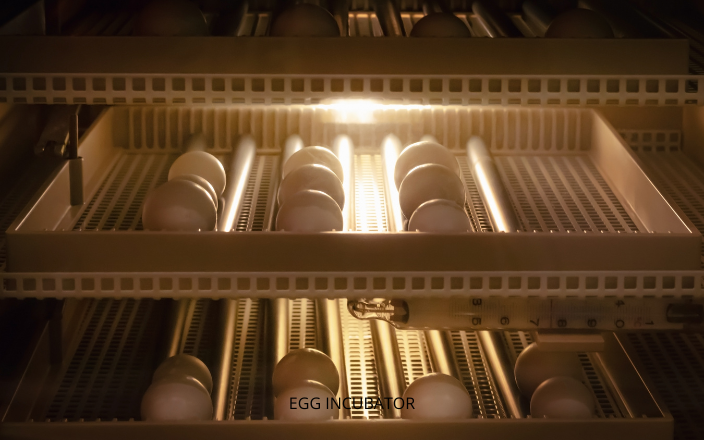
For decades, poultry incubation has traditionally relied on complete darkness. However, emerging research is challenging this long‑standing practice, suggesting that exposing embryos to controlled light cycles could significantly influence chick development, welfare, and long‑term performance. Recent studies from institutions such as The Roslin Institute and various poultry science groups highlight measurable behavioural and physiological benefits linked to light‑incubated eggs.
Embryonic Light Perception
- Contrary to the assumption that chicks only respond to light after hatching, bird embryos possess photosensitive receptors deep within the brain that can detect light penetrating the eggshell.
- These receptors regulate early circadian rhythms and neural development, implying that light exposure during incubation could shape behavioural and physiological traits before hatch.
Behavioural Benefits: Enhanced Enrichment Interaction
Studies comparing chicks incubated in darkness versus controlled light schedules show substantial behavioural differences. Chicks exposed to light during incubation interacted with environmental enrichments—especially small, dark shelters—more frequently. This increase in shelter use suggests heightened environmental awareness, reduced stress, and improved energy regulation. Researchers noted that these shelters provide secure micro‑environments that help chicks rest safely and adapt more effectively to their surroundings.
Growth and Development: Heavier and Healthier Chicks
- One of the most notable findings is the effect of light incubation on growth.
- Female chicks incubated under light weighed more at four weeks of age compared to those incubated in darkness.
- Similar outcomes were observed in other breeds, where chicks incubated under light—especially green or mixed‑spectrum LEDs—exhibited improved hatchability, higher body weights, and enhanced feed conversion.
- This suggests that light exposure may influence metabolism and muscle development during the embryonic period.
Physiological Impacts: Stress Reduction and Circadian Programming
Light‑incubated chicks appear to benefit from improved stress regulation. Research indicates that light affects hormone secretion, including melatonin and corticosterone, helping embryos establish healthier circadian rhythms before hatching. These early hormonal patterns may contribute to calmer, more resilient chicks with better welfare outcomes. Additionally, studies exploring colored light exposure show reductions in fear responses and improved post‑hatch growth.
Conclusion: A Simple Change With Significant Potential
Evidence from multiple studies indicates that incorporating controlled light cycles during incubation can positively influence chick behaviour, growth, stress resilience, and overall welfare. While more research is needed to determine optimal light spectra and timing, current findings suggest that light‑incubated eggs could indeed benefit chicks—and may pave the way for more welfare‑oriented and efficient poultry production practices.
Sources: Available upon request