


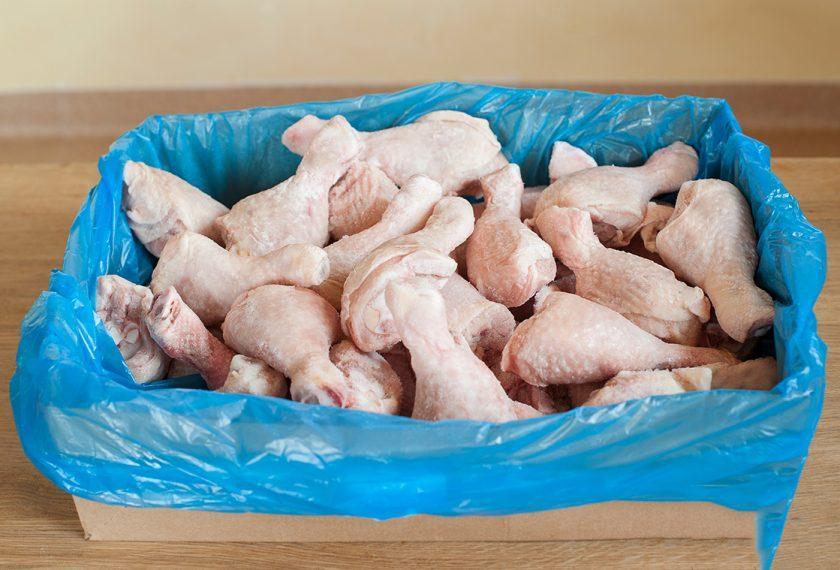
Malaysia has strengthened its foothold in the regional halal poultry market with the launch of the first phase of agro-food exports to the Philippines, marking a significant expansion of halal-certified chicken products into one of ASEAN’s fastest-growing markets.
The initial shipment—two containers valued at USD 73,000 —includes fresh halal chicken alongside other Malaysian food items, with total exports expected to reach USD 900,000 by next year.
Federal Agricultural Marketing Authority (FAMA) Chairman Aminuddin Zulkipli said the move positions Malaysia as a leading halal food exporter in Southeast Asia. With this latest initiative, the Philippines becomes Malaysia’s fourth-largest halal export destination, after China, India, and Indonesia.
Rising demand for Malaysian halal chicken
Mr Aminuddin highlighted that the Philippine Market Exploration Program involves 20 export containers bound for Manila and Marawi, comprising eight Agromas product SKUs—coffee, instant noodles, margarine, and critically, fresh halal chicken, which is seeing rising demand among Filipino consumers seeking affordable, quality protein.
He emphasized that Malaysia’s established halal ecosystem gives its poultry products an advantage as the Philippines accelerates its adoption of halal certification standards.
“Malaysia has strong capabilities as a halal producer, and the Philippines is increasingly recognizing the importance of halal-certified poultry and food quality,” he said.
Strengthening supply chains for halal poultry
During the ceremony, several Memorandums of Understanding (MoUs) were signed between Famaco and five Malaysian companies to expand cooperation across the halal food supply chain.
The agreements cover FMCG distribution, halal logistics, cooking oil supply, ruminant industry expansion, and smart logistics development—key components supporting Malaysia’s capacity to scale poultry exports.
The companies involved include Sun Nee Farmas, 3 Bumi Oleo, KPKV Malaysia, Toong Hing Chang Trading, and Asolute.
Philippines: A rapidly growing halal poultry market
Famaco CEO Shahrulnizam Ahmad said Filipino demand for Malaysian food products—particularly poultry—is rapidly expanding.
“The Philippines has given a clear signal that they want Malaysian food products. The demand is high, and this opportunity must be seized by local entrepreneurs,” he said.
The Philippine halal market is projected to reach USD 54.3 billion in 2024, doubling to USD 116.9 billion by 2033.
Malaysia’s agrifood exports to the Philippines have grown steadily, USD 573.5 million in 2024, with USD 382 million recorded between January and August this year.
As Malaysia deepens its halal chicken export capabilities, industry players expect even stronger penetration into Philippine retail, foodservice, and institutional sectors.