


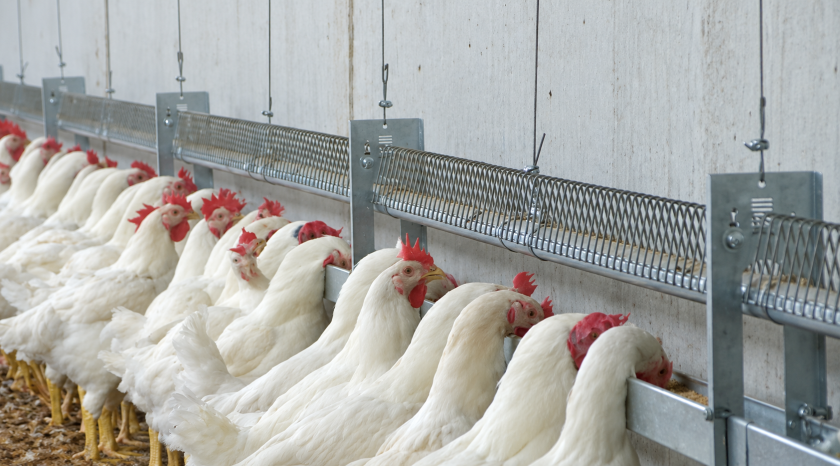
Uniformity has always been one of the key management objectives in breeder production.
While genetics, nutrition and health programs receive considerable attention, maintaining a uniform male flock remains a daily challenge on many farms.
Male uniformity is not just a performance indicator. It directly influences flock management, mating activity and the ability to maintain the desired body condition throughout the production cycle.
Why male uniformity matters in breeder flocks
In any breeder flock, some variation between birds is inevitable. However, when body weight differences become too large, management becomes increasingly difficult.
Overweight males
Overweight males often become less agile and may experience greater difficulty achieving successful matings.
Underweight males
Underweight males can struggle to compete with larger birds and may have more difficulty maintaining condition as the flock ages.
Significant variation within the flock can therefore reduce the effectiveness of management strategies and create additional challenges for farm staff.
Uniformity is not achieved overnight. It is the result of hundreds of management decisions made throughout the production cycle.
The hidden impact of feeding competition on male uniformity
When discussing flock uniformity, attention is often directed towards feed formulation, nutrient content and feed allocation. However, the way feed is distributed within the house can be just as important.
A key question is whether every male has the same opportunity to access feed.
In many feeding systems, all birds eventually gain access to feed, but not necessarily at the same moment. This distinction may seem minor, but it can have a significant impact over time.
- Birds compete for the available feeding space.
- Dominant males often reach the feed first and may consume feed more efficiently.
- Less dominant males may be forced to wait or compete for access.
- Small daily differences in feed intake opportunity can gradually develop into larger differences in body weight and condition.

Why equal access to feed creates better conditions for uniformity
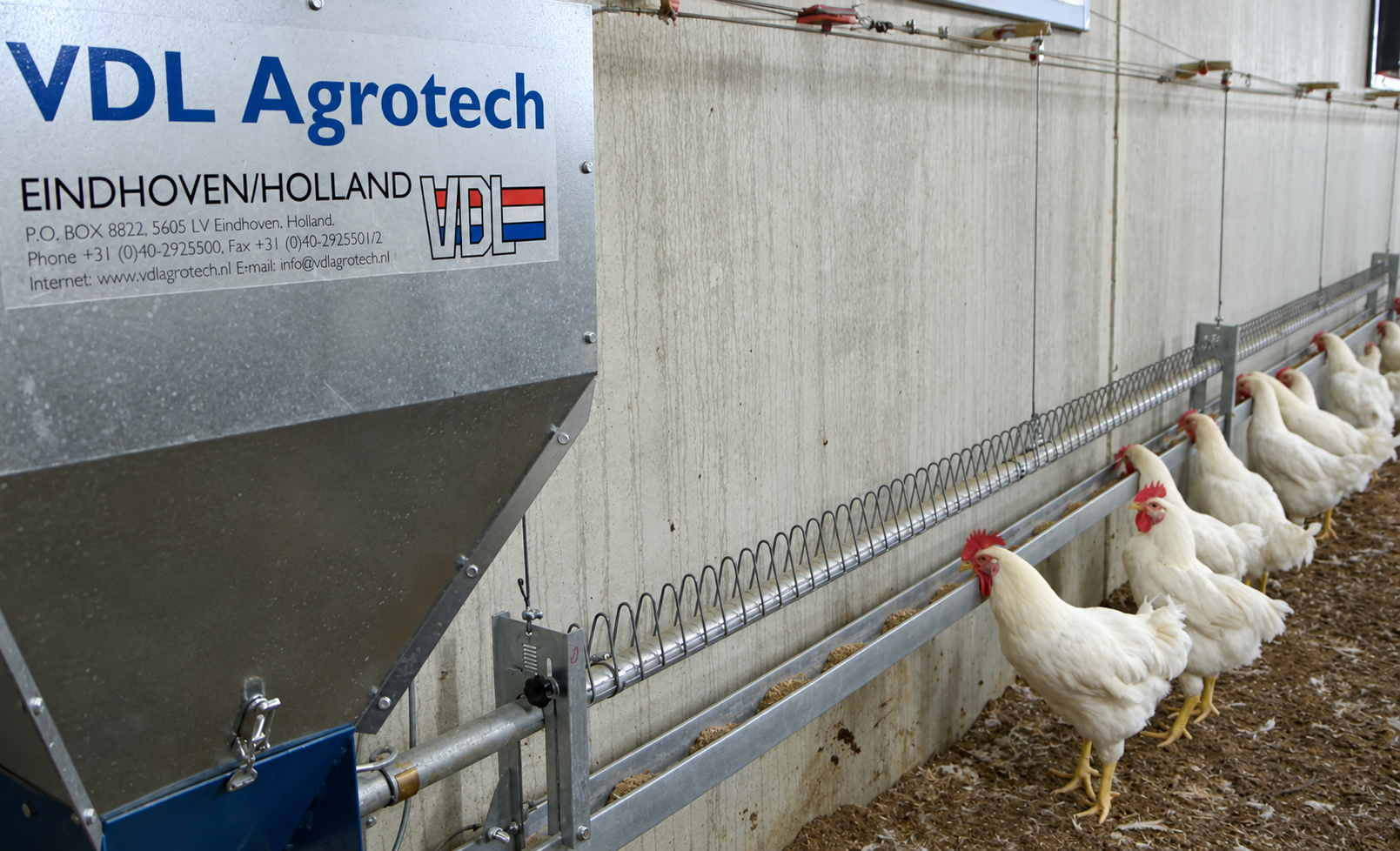
Many breeder specialists consider simultaneous feed access to be one of the foundations of maintaining male uniformity.
The principle is straightforward: every male should have the opportunity to eat at the same time.
When sufficient feeding space is available for all birds simultaneously, competition around feeding is reduced. Dominant birds have fewer opportunities to gain an advantage, while less dominant birds are less likely to be displaced during feeding.
This creates more equal feeding opportunities throughout the flock and helps support consistent bird development.
No feeding system can guarantee perfect uniformity. However, providing equal access to feed creates conditions that are more favourable for maintaining uniform body weights than systems where competition plays a larger role.

How feeding systems influence breeder behaviour
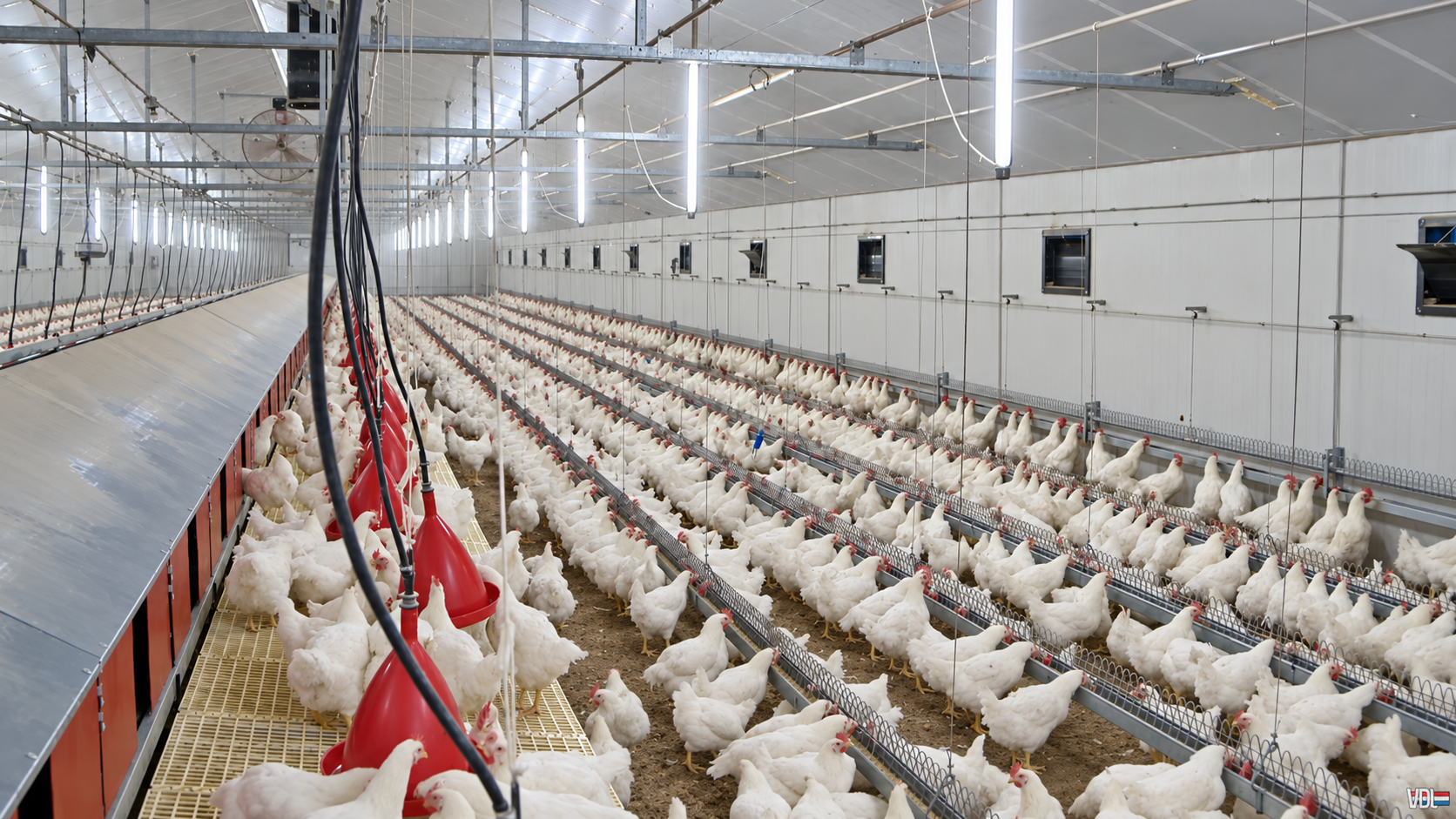
The influence of a feeding system extends beyond feed intake itself.
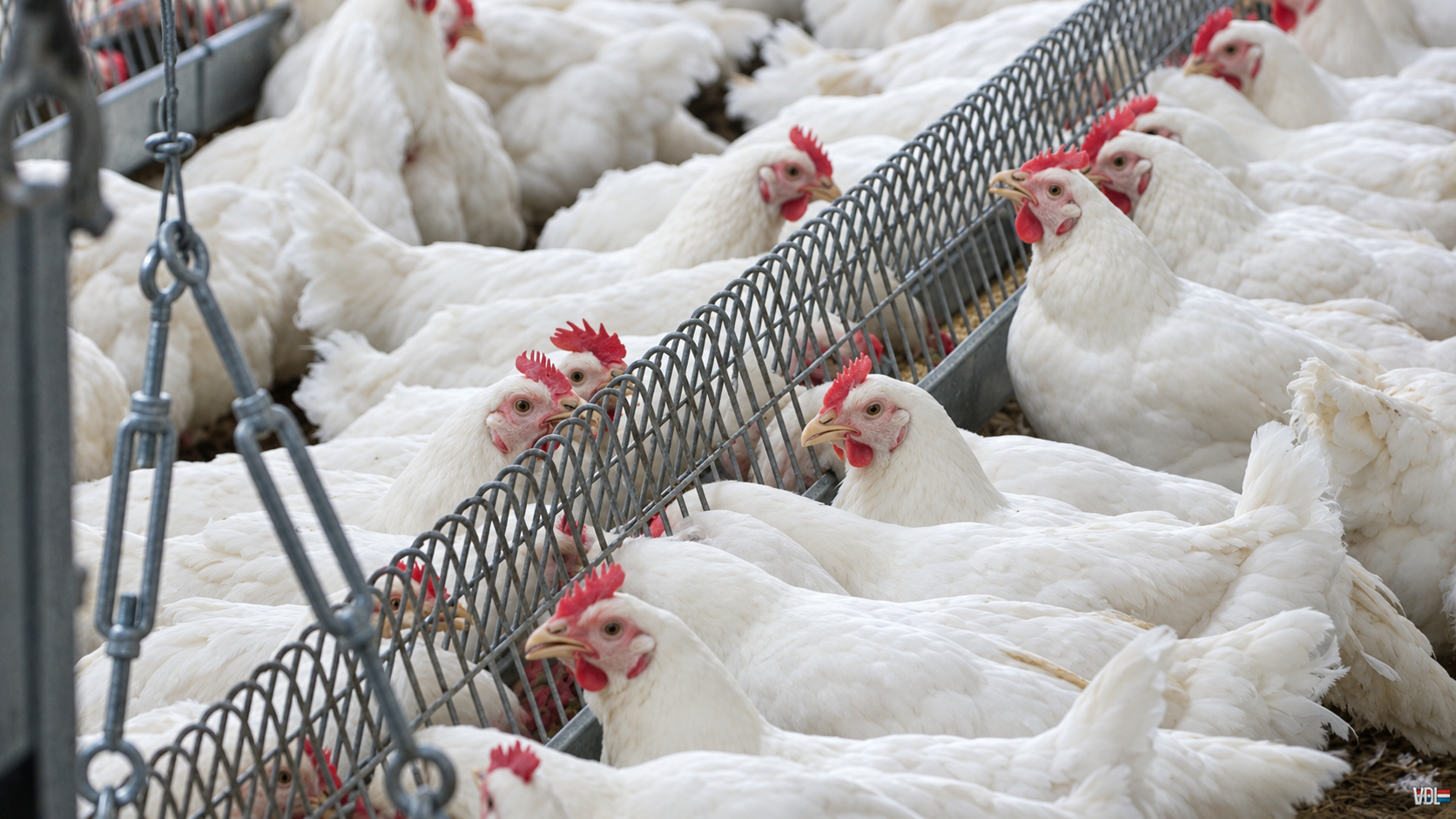
Breeder managers frequently observe that feeding systems with dedicated feeding space for each bird result in a calmer feeding pattern. Birds tend to remain at the feeding line longer, with less crowding, pushing and aggressive competition.
This calmer feeding behaviour can make daily flock management easier and allows stockpersons to better assess bird condition and behaviour during feeding periods.
Building male uniformity every day
Maintaining male uniformity requires a combination of genetics, nutrition, lighting, health management and good stockmanship. However, all of these efforts ultimately depend on providing birds with equal opportunities.
Feed distribution therefore plays a central role in the overall management strategy.
The goal is not necessarily to deliver feed faster. The goal is to provide every male with an equal opportunity to access feed.
For breeder operations striving to maintain uniform males throughout the production cycle, the feeding system should be considered a critical component of flock management. When every bird has equal access to feed, the conditions for achieving and maintaining uniformity become significantly stronger.
Frequently asked questions about male breeder uniformity
Why is male uniformity important in breeder flocks?
Male uniformity influences flock management, mating activity and the ability to maintain the desired body condition throughout the production cycle. Excessive differences in body weight can make management more difficult, as overweight males may become less agile while underweight males may struggle to compete and maintain condition as the flock ages.
How does feeding competition affect male uniformity?
When males compete for feeding space, dominant birds can reach the feed first while less dominant birds may have to wait or compete for access. Over time, these small daily differences in feed intake opportunity can develop into larger differences in body weight and body condition.
Why is simultaneous feed access important for breeder males?
Simultaneous feed access gives every male the opportunity to eat at the same time. When sufficient feeding space is available for all birds, competition is reduced, dominant males have fewer opportunities to gain an advantage and less dominant males are less likely to be displaced during feeding.
Can a feeding system guarantee perfect male uniformity?
No. The source does not suggest that any feeding system can guarantee perfect uniformity. Instead, providing equal access to feed creates conditions that are more favourable for maintaining uniform body weights than feeding situations in which competition plays a greater role.
How can feeding systems influence bird behaviour?
Feeding systems with dedicated feeding space for each bird are frequently associated by breeder managers with calmer feeding patterns. Birds may remain at the feeding line longer with less crowding, pushing and aggressive competition, which can also make it easier for stockpersons to observe bird condition and behaviour during feeding.
Is faster feed delivery the main objective when feeding breeder males?
Not necessarily. The key objective described in the source is to provide every male with an equal opportunity to access feed. Feed distribution should therefore be considered part of the broader flock management strategy rather than simply a matter of delivering feed as quickly as possible.