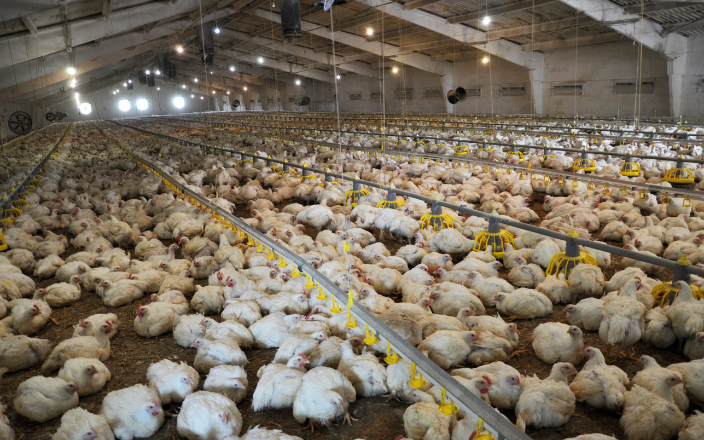
Broiler chicken management during the rearing phase is critical to achieving optimal growth, welfare, and meat quality. This stage, typically spanning from day one to around five weeks of age, requires precise control of environmental, nutritional, and behavioral factors to ensure efficiency and sustainability in poultry production. Recent studies highlight the importance of rearing systems and enrichment strategies in shaping both performance and welfare outcomes1.
Environmental Management
Proper environmental conditions are essential for broiler health and productivity. Temperature, ventilation, and housing design directly influence feed conversion and growth rates. Research on open‑sided housing systems shows that environmental control impacts carcass traits and meat quality, particularly when feed withdrawal strategies are applied2. Maintaining optimal temperature gradients and air quality reduces stress and supports uniform flock development.
Nutritional Strategies
Nutrition during the rearing phase must balance energy and protein intake to support rapid growth while minimizing metabolic disorders. Feed formulation should consider digestibility and nutrient density, as inadequate diets can impair skeletal development and immune function. Studies comparing rearing systems demonstrate that dietary adjustments interact with housing conditions to influence growth performance and meat quality3. Precision feeding, including phased diets, is recommended to optimize nutrient utilization.
Behavioral and Welfare Considerations
Broiler welfare is increasingly recognized as a key component of sustainable production. Environmental enrichment, such as perches and pecking substrates, has been shown to improve behavioral indicators and emotional states while positively affecting gut microbiota composition. Providing space and stimuli reduces stress behaviors and enhances flock uniformity. Welfare‑oriented management not only benefits the birds but also aligns with consumer expectations for ethically produced poultry.
Growth Performance and Meat Quality
The rearing phase sets the foundation for final carcass yield and meat characteristics. Comparative studies of slow‑growing and fast‑growing broilers reveal that rearing systems influence muscle development, fat deposition, and sensory attributes of meat. Effective management during this stage ensures consistent growth trajectories and reduces variability in market weight, which is crucial for commercial efficiency.
Conclusion
Broiler chicken management in the rearing phase requires an integrated approach that combines environmental control, nutritional precision, and welfare enhancement. Scientific evidence underscores that housing design, feeding strategies, and enrichment interventions significantly affect growth, health, and meat quality outcomes. By applying these principles, producers can achieve higher efficiency while meeting welfare and sustainability standards demanded by modern poultry markets.