


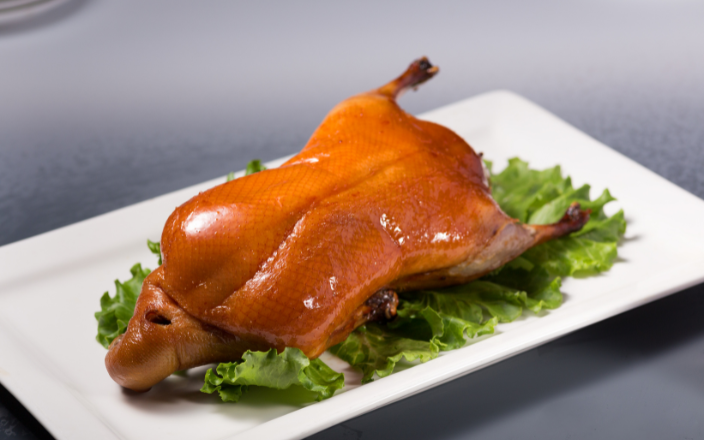
The U.S. duck products market is expanding rapidly, driven by health-conscious consumers, gourmet demand, and sustainability trends, with projections showing growth from $690 million in 2025 to over $1.3 billion by 2035.
Market Overview
- Market Size (2024): $646.6 million
- Projected Size (2035): $1.33 billion
- CAGR (2025–2035): 6.7% Market Research Future
- Duck consumption in the U.S. remains niche compared to chicken and turkey, averaging 0.33 pounds per person annually.
Key Marketing Drivers
- Health & Nutrition
- Duck meat is promoted as leaner and nutrient-rich, appealing to health-conscious consumers.
- Marketing emphasizes protein content, iron levels, and lower fat compared to red meats.
- Culinary Innovation
- Duck products are positioned as premium gourmet items, featured in fine dining and ethnic cuisines (e.g., Peking duck, confit).
- Growth in home gourmet cooking has expanded retail demand for cuts, breasts, and processed products.
- Sustainability & Ethical Sourcing
- Brands highlight eco-friendly farming practices and animal welfare certifications.
- Packaging innovations such as biodegradable materials and modified atmosphere packaging (MAP) extend shelf life while reducing environmental impact.
Product Segmentation
- Whole Duck & Cuts: Targeted at restaurants and gourmet home cooks.
- Processed Products: Smoked duck, pâté, and sausages marketed for convenience.
- By-products: Feathers, liver pâté, tongues, and feet exported to Asian markets, especially Hong Kong.
Distribution Channels
- Supermarkets & Specialty Stores: Increasing visibility of duck meat alongside mainstream poultry.
- Online Platforms: Growth in e-commerce for gourmet and ethnic food products.
Innovation & R&D
- Focus on automation and precision processing to improve quality and safety.
- Development of clean-label, additive-free products to meet consumer demand.
- Collaboration between academia, industry, and government fosters sustainable farming and product innovation.
Challenges
- Low per capita consumption compared to chicken and turkey.
- Price sensitivity: Duck products are often more expensive, limiting mass-market appeal.
- Regulatory compliance: USDA grading and certification programs ensure product quality but add operational costs.
Conclusion
The marketing of duck-derived products in the U.S. is evolving from niche gourmet offerings to mainstream premium protein options. Success hinges on health-focused branding, sustainability narratives, and culinary innovation, supported by expanding retail and online channels. With rising demand for ethnic cuisine and eco-friendly practices, these products are positioned to capture a growing share of the U.S. poultry market.
Sources: Available upon request