


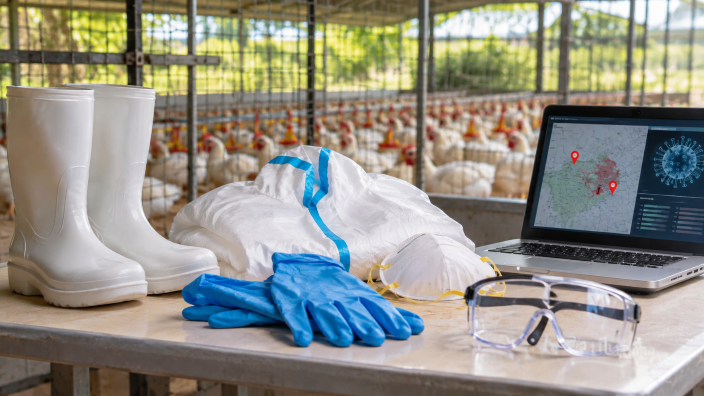
Nigeria has intensified training for livestock and poultry health stakeholders through a new national initiative supported by the Food and Agriculture Organization of the United Nations (FAO), focusing on faster disease detection, outbreak mapping and improved avian influenza preparedness.
Nigeria Strengthens Poultry Disease Preparedness
On November 12, 2026, Nigeria’s Federal Ministry of Livestock Development announced a joint initiative with FAO to strengthen disease surveillance and response capabilities across the livestock value chain.
The initiative includes a National Workshop and Training on the Avian Influenza Decision Support Tool, bringing together animal health stakeholders to improve their ability to identify and manage potential disease outbreaks.
Training sessions held in Abuja focused on practical applications of disease mapping, transmission analysis and risk assessment, providing participants with tools to support faster and more informed responses to avian influenza threats (1).
Digital Tools Become Part of Poultry Training
A central component of the initiative is the introduction of decision-support technology into animal health training.
Participants received instruction on identifying outbreak locations through geographical mapping, tracing possible transmission pathways and evaluating environmental factors that influence disease spread.
The training also addressed seasonal variations, water-related risks and the identification of vulnerable animal populations.
The initiative represents a shift towards data-driven disease preparedness, combining technical training with digital tools to strengthen surveillance and outbreak response capabilities.
Global Avian Influenza Concerns Increase Urgency
The announcement comes amid growing international concern over avian influenza activity.
On November 16, 2026, the World Organization for Animal Health (WOAH) called for heightened vigilance following an increase in reported highly pathogenic avian influenza outbreaks in poultry and wild birds during the preceding three weeks.
WOAH emphasized the importance of strengthening surveillance, improving farm biosecurity and ensuring that farmers, veterinarians and poultry workers understand how to recognize and report suspected infections (2).
The organization also highlighted the need for countries to review their preparedness and response procedures as seasonal risks increase.
Training Expands Beyond the Poultry Farm
As part of the Nigerian initiative, officials and FAO representatives also conducted a risk assessment at Wuse Market in Abuja, engaging poultry traders in discussions about disease prevention and surveillance.
The visit highlighted the importance of including live-bird markets and other poultry value-chain participants in disease preparedness activities.
For the international poultry industry, the initiative demonstrates how practical training, digital surveillance and cooperation between authorities and producers are becoming increasingly important in managing avian influenza risks.
References
(1) Federal Ministry of Livestock Development, Nigeria. (November 12, 2026). FG, FAO Strengthen Capacity of Livestock Value Chain Stakeholders to Contain Avian Influenza.
(2) World Organisation for Animal Health (WOAH). (November 16, 2026). WOAH Calls for Heightened Vigilance as Reported Avian Influenza Outbreaks Rise.