


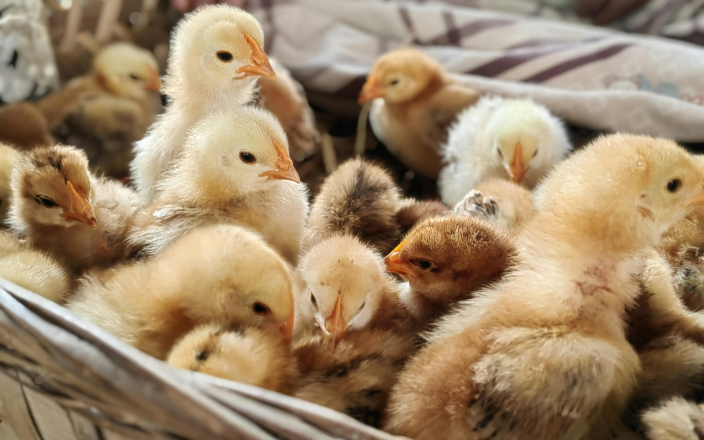
The best genetics for day-old chicks focus on optimizing hatchability, growth potential, and disease resistance, ensuring strong performance in both broiler and layer production. Recent scientific studies highlight how genotype selection and advanced genetic tools are reshaping poultry breeding strategies.
Hatchability and Early Viability
Genetic background plays a crucial role in determining hatchability rates and chick viability. Studies show that specific genotypes influence embryonic survival, chick weight at hatch, and uniformity, which are essential for commercial success. For example, research in the Journal of Agriculture and Food Research found that genotype significantly affects hatchability and early morphometric traits, directly impacting chick quality1. Selecting breeds with proven high hatchability ensures stronger day-old chick populations and reduces early mortality.
Growth Potential and Performance
Growth regulation in chicks is increasingly understood through multi-omics approaches, which integrate genomics, transcriptomics, and proteomics. These tools allow breeders to identify genetic markers associated with rapid growth, feed efficiency, and muscle development. A review in Poultry Science emphasized that emerging genetic tools are enabling precise optimization of growth traits, ensuring that day-old chicks are predisposed to reach market weight efficiently2. Genomic selection enhances feed conversion ratios and accelerates growth, reducing production costs.
Disease Resistance and Robustness
Beyond growth, genetic diversity is vital for resilience against pathogens. Chickens with broader genetic variation exhibit stronger immune responses, reducing the risk of widespread disease outbreaks. A comprehensive review in Poultry Science highlighted how genetic variation underlies phenotypic diversity, including immune competence and adaptability to environmental stressors. Breeding programs that prioritize genetic diversity improve flock health and sustainability3.
Practical Implications for Breeding Programs
- Broilers: Focus on genotypes with superior growth and feed efficiency.
- Layers: Prioritize genetics that enhance egg production and longevity.
- Dual-purpose breeds: Balance hatchability, growth, and disease resistance.
Modern breeding integrates genomic selection, marker-assisted breeding, and multi-omics analysis to refine chick genetics. This ensures that day-old chicks are not only viable but also optimized for long-term productivity.
Conclusion
The best genetics for day-old chicks combine high hatchability, rapid growth potential, and strong disease resistance. Scientific advances in genomics and multi-omics are revolutionizing poultry breeding, enabling precise selection of traits that maximize efficiency and sustainability. For poultry producers, investing in genetically superior chicks is a strategic decision that directly impacts resilience in the face of global food security challenges.
Sources:
1. Effect of genotype on hatchability, growth, morphometric and carcass traits of Chicken (2023).
3. A review of genetic variation underlying chicken phenotypic diversity (2025).