


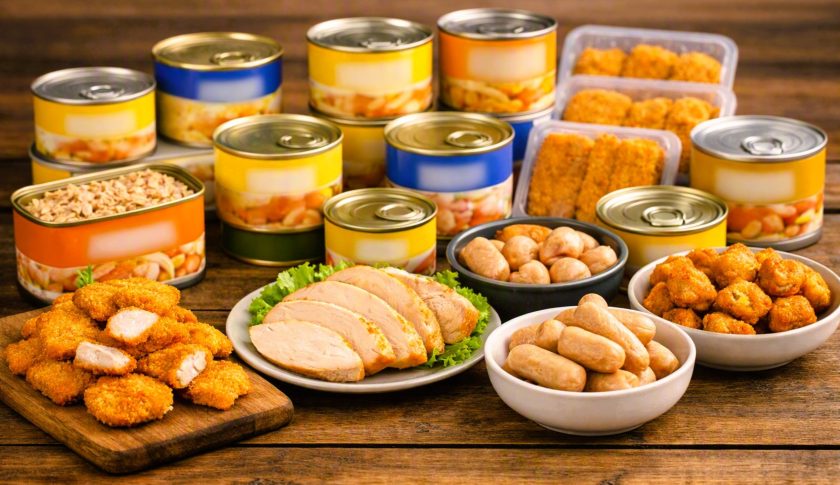
The Philippine Department of Agriculture (DA) has ordered safeguard tariffs on poultry and processed meat products to protect local producers. Department Orders No. 24 and 25 authorize special duties when import volumes exceed thresholds, reinforcing government efforts to stabilize supply and support the poultry sector.
Safeguard duties to shield local producers
Under Department Order No. 24, the Bureau of Customs must impose safeguard duties on poultry and related meat products. These duties are triggered once import volumes surpass set levels under the Safeguard Measures Act, allowing swift government action.
The order coverage includes prepared and preserved poultry items, including processed chicken cuts and offal. By tightening tariff enforcement, the DA aims to ease pressure on local poultry raisers facing high feed costs and disease risks.
Meanwhile, Department Order No. 25 broadens the safeguard duties to include additional processed meat products. This ensures that both raw and processed imports are subject to stricter tariff rules.
The DA clarified that these duties will remain effective until year‑end unless revised earlier. Customs officials are tasked with computing and enforcing the rates, ensuring compliance with legal provisions.
Aligning with trade rules and local needs
The safeguard measures comply with the Philippines’ obligations under the World Trade Organization Agreement (WTO) on Agriculture. WTO rules permit temporary duties when imports threaten domestic industries.
Officials noted that poultry import volumes have already breached trigger levels, justifying immediate intervention. The DA’s Trade Remedies Office confirmed that rising shipments posed risks to local producers, requiring protective action.
Market dynamics and resilience
For consumers, tariffs may slow the influx of cheaper imported chicken, keeping retail prices steady but not significantly lower. For poultry raisers, the safeguard measures provide space to rebuild capacity after years of challenges linked to rising feed costs and avian influenza.
Industry groups have repeatedly warned that unchecked imports could weaken domestic production. The safeguard duties, though temporary, highlight the government’s intent to prioritize resilience over short‑term price relief.
Moving forward
The DA’s safeguard tariffs mark a decisive step in balancing trade obligations with urgent domestic needs. By tightening duties on meat imports, the government signals stronger support for local producers while maintaining compliance with international rules. The outcome will shape both consumer markets and industry recovery in the months ahead, setting the tone for future agricultural policy decisions.