


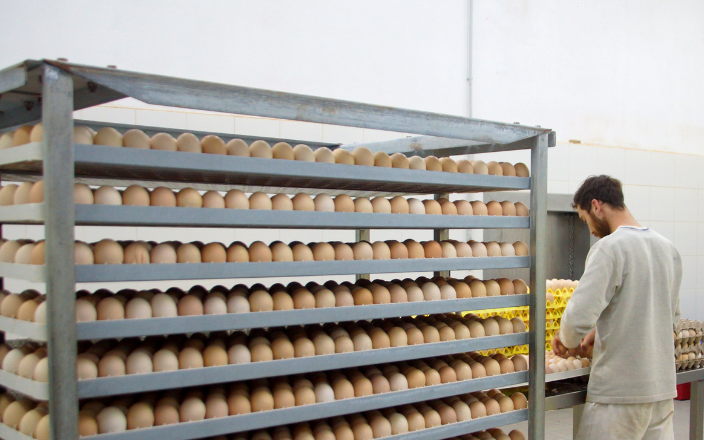
Preventive maintenance in bird incubators is a critical practice in the poultry industry. Incubators are highly sensitive machines that regulate temperature, humidity, and ventilation to ensure optimal embryo development. A well‑designed maintenance program minimizes equipment failures, reduces downtime, and guarantees consistent chick quality.
Importance of Preventive Maintenance
Incubators operate continuously, often under demanding conditions. Any malfunction can compromise hatchability rates and lead to economic losses. Preventive maintenance ensures:
- Stable environmental conditions for embryos.
- Reduced risk of mechanical and electrical failures.
- Longer equipment lifespan.
- Compliance with biosecurity and hygiene standards.
Key Maintenance Activities
Preventive maintenance involves scheduled inspections and servicing of critical components. Common tasks include:
- Temperature and Humidity Control: Regular calibration of sensors and thermostats to maintain precise conditions.
- Ventilation Systems: Cleaning fans, ducts, and filters to prevent dust accumulation and ensure proper airflow.
- Water and Cooling Systems: Checking pumps, valves, and coils for leaks or blockages.
- Motors and Electrical Parts: Inspecting for unusual sounds, overheating, or wear; replacing parts before failure.
- Structural Hygiene: Cleaning and disinfecting incubator chambers to prevent microbial contamination.
Scheduling and Documentation
Effective preventive maintenance requires systematic scheduling. Tasks are often performed:
- Daily: Visual inspections, cleaning surfaces, checking alarms.
- Weekly: Calibration of sensors, lubrication of moving parts.
- Monthly: Deep cleaning, inspection of cooling systems.
- Biannual: Replacement of critical components such as motors or frequency drivers.
Documentation is equally important. Maintenance logs, checklists, and digital monitoring systems (e.g., Eagle Trax software) help track performance and anticipate failures.
Benefits for Poultry Production
A consistent preventive maintenance program directly impacts productivity:
- Higher hatchability rates due to stable incubation conditions.
- Reduced operational costs by avoiding emergency repairs.
- Improved biosecurity through regular cleaning and disinfection.
- Enhanced reliability and confidence in production planning.
Conclusion
Preventive maintenance in bird incubators is not merely a technical requirement but a strategic investment. By ensuring optimal performance of incubation equipment, poultry producers safeguard chick quality, reduce risks, and enhance profitability. A disciplined approach—combining scheduled tasks, proper documentation, and proactive replacement of parts—forms the backbone of sustainable hatchery operations.
Sources: Available upon request