


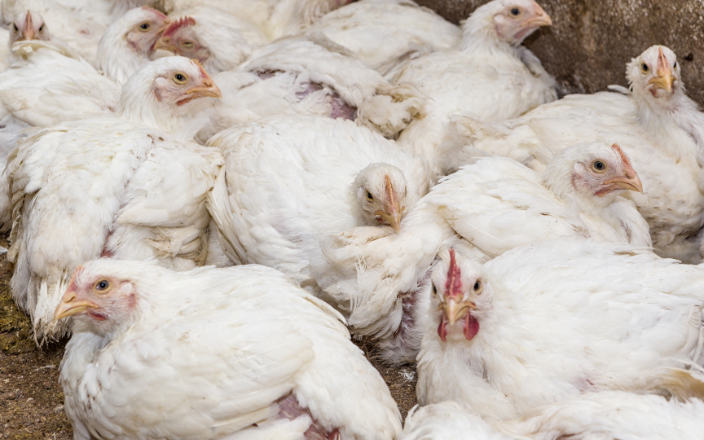
The pre-slaughter phase in broiler production is a critical stage that directly influences animal welfare, meat quality, and operational efficiency. At the recent aWISH Workshop, experts from academia, industry, and regulatory bodies gathered to reassess current practices and propose innovative approaches. Their insights highlight the need for a more holistic view of this phase, integrating welfare science with practical management strategies.
Stress Management and Welfare
One of the workshop’s central themes was the impact of stress on broilers during handling, transport, and lairage. Stress not only compromises welfare but also affects meat quality through issues such as bruising, dehydration, and pH imbalance. Participants emphasized the importance of:
- Gentle handling techniques to reduce fear responses.
- Optimized transport conditions, including ventilation and stocking density.
- Shorter waiting times before slaughter to minimize cumulative stress.
By prioritizing welfare during these stages, producers can achieve both ethical and economic benefits.
Biosecurity and Hygiene Considerations
Another key takeaway was the role of biosecurity in the pre-slaughter phase. The workshop highlighted that transport vehicles, crates, and lairage facilities can act as vectors for pathogens. Recommendations included:
- Rigorous cleaning and disinfection protocols for equipment.
- Improved facility design to reduce cross-contamination risks.
- Enhanced monitoring systems to detect and respond to biosecurity breaches quickly.
These measures not only protect flock health but also safeguard food safety for consumers.
Technological Innovations
The aWISH Workshop showcased emerging technologies that could transform pre-slaughter management. Examples include:
- Sensor-based monitoring systems to track environmental conditions during transport.
- Automated handling equipment designed to reduce human error and bird stress.
- Data-driven decision tools that integrate welfare indicators with operational metrics.
Such innovations promise to make welfare assessment more objective and actionable.
Training and Human Factor
Human behavior remains a decisive factor in pre-slaughter outcomes. The workshop underscored the need for continuous training programs that instill welfare-conscious practices among staff. Building a culture of responsibility and empathy ensures that protocols are consistently applied, even under operational pressure.
Conclusion
The aWISH Workshop made it clear that rethinking the pre-slaughter phase in broilers requires a multi-dimensional approach. Stress reduction, biosecurity, technological innovation, and human training all play interconnected roles. By embracing these strategies, the poultry industry can move toward a future where animal welfare and production efficiency are not competing priorities but complementary goals.
Sources: Available upon request