


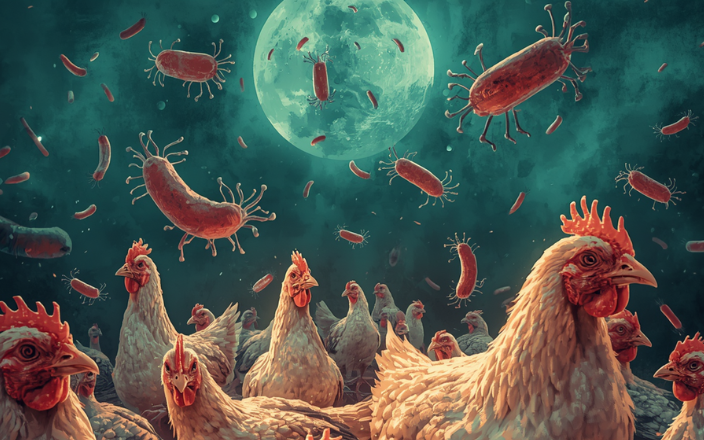
Background of the Outbreak
On March 26, 2026, chicks hatched at a major hatchery tested positive for Group B Salmonella Typhimurium. The Animal and Plant Health Agency (APHA) placed the hatchery under official restrictions, initiating deep cleaning and disinfection. The company reported that only 1 out of 300 samples tested positive, and this was in a non-production area. Despite limited contamination, the incident has heightened industry-wide concern.
Impact on Poultry Supply
The outbreak has already led to precautionary culling in several facilities, reducing the availability of healthy chicks for growers. This disruption threatens to slow production cycles, potentially leading to shortages in poultry meat and eggs. For an industry that relies on consistent supply, even short-term interruptions can translate into higher costs and market instability. Retailers and consumers may soon feel the impact through price fluctuations and reduced product availability.
Biosecurity Challenges
Hatcheries are designed to minimize disease transmission, but salmonella remains a persistent threat. The bacteria can spread through contaminated feed, water, or equipment, and once established, it is difficult to eradicate. Experts emphasize the importance of strict hygiene protocols, regular testing, and rapid response measures. However, the outbreak highlights vulnerabilities in current biosecurity systems, suggesting that more robust monitoring and preventive strategies are needed.
Regulatory and Industry Response
Authorities are investigating the hatchery’s practices to determine how contamination occurred and whether safety standards were compromised. Meanwhile, industry leaders are calling for enhanced oversight and investment in pathogen control. Some hatcheries are adopting advanced technologies such as automated disinfection systems and genetic screening to reduce risks. Regulators may also tighten compliance requirements, pushing producers to adopt stricter measures to safeguard animal and consumer health.
Consumer Confidence and Market Outlook
Beyond immediate supply concerns, the outbreak raises questions about consumer trust. Food safety incidents can damage the reputation of entire sectors, making transparency and communication essential. Producers must reassure buyers that corrective actions are being taken and that poultry products remain safe. Analysts warn that if outbreaks persist, long-term demand could be affected, with consumers shifting toward alternative protein sources.
Conclusion
The salmonella outbreak in a hatchery underscores the fragile balance between production efficiency and biosecurity. While the poultry industry has made significant strides in disease prevention, this incident demonstrates that vulnerabilities remain. Addressing them will require coordinated efforts among hatcheries, regulators, and producers to protect both supply chains and public health.
Sources: Available upon request