


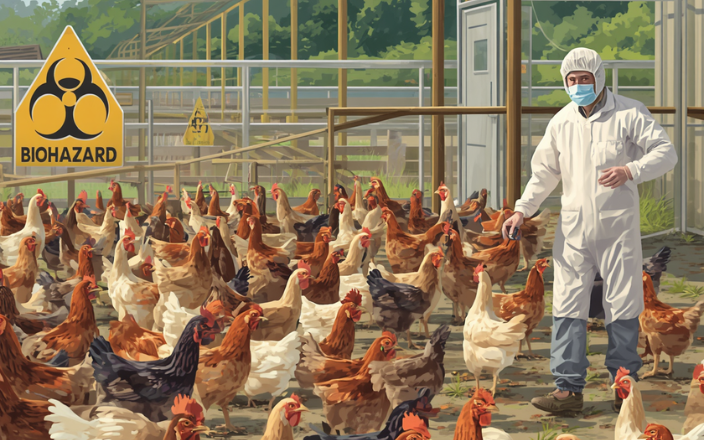
The United States is reinforcing poultry biosecurity through new USDA-led assessments, updated NPIP (National Poultry Improvement Plan) standards, and expanded training programs aimed at preventing highly pathogenic avian influenza (HPAI) and other infectious threats. These measures combine voluntary audits, cost-sharing incentives, and mandatory compliance checks to strengthen flock protection and stabilize egg and poultry markets.
Background: Why Biosecurity Matters
- Avian influenza outbreaks in 2014–2015 caused billions in losses and disrupted egg and poultry supply chains.
- Biosecurity is the frontline defense against disease spread, protecting both commercial farms and backyard flocks.
USDA’s New Initiatives
- Voluntary Biosecurity Assessments:
- Two types offered: Wildlife Biosecurity Assessment and Biosecurity Incentive-Focused Assessment.
- USDA-trained staff visit farms, identify risks, and propose immediate improvements.
- Up to 75% of costs for fixing high-risk issues are covered by USDA.
- Mandatory Audits:
- If a farm is hit by HPAI, audits are required before restocking.
- Compliance ensures eligibility for indemnity payments.
NPIP Standards and Industry Tools
- NPIP Biosecurity Principles: Updated templates guide producers in building and maintaining site-specific biosecurity plans.
- Self-Assessment Checklists: Farmers compare their practices against national standards to identify gaps.
- Training Programs: USPOULTRY and APHIS provide online courses, signage, and employee agreements to ensure consistent compliance.
Key Measures Being Reinforced
- Controlled Access: Buffer zones and designated entry points to limit exposure.
- Personnel Training: Mandatory awareness sessions for caretakers and workers.
- Movement Logs: Tracking of people, vehicles, and poultry to reduce contamination risks.
- Disinfection Protocols: Standardized cleaning of boots, equipment, and facilities.
- Pest Control: Rodent and insect monitoring to prevent disease vectors.
Broader Impact
- Economic Stability: Protecting flocks helps maintain egg supply and stabilize consumer prices.
- One Health Perspective: Reducing zoonotic risks safeguards both animal and human health.
- Global Trade: Stronger biosecurity supports safe exports and prevents trade disruptions.
Conclusion
The USA’s reinforced poultry biosecurity strategy combines government support, industry training, and standardized NPIP compliance to reduce the risk of devastating outbreaks. For producers, adopting these measures is not only a regulatory requirement but also a critical investment in flock health, market stability, and long-term sustainability.
Sources: Available upon request