


Content available at:
Exposing eggs to light during incubation influences chick behavior after hatching, according to new research from the Roslin Institute. The findings highlight how early-life conditions shape welfare outcomes in poultry systems.
Egg incubation and behavior
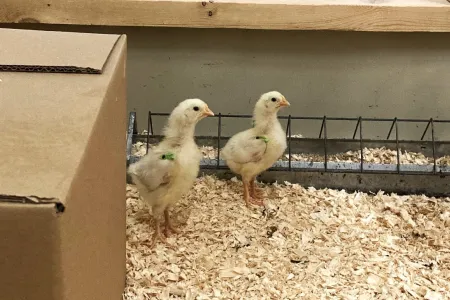
Scientists incubated eggs under two conditions: complete darkness and light exposure. After hatching, chicks were placed in pens, some with shelters and some without. Researchers observed their behavior over several weeks.
All chicks used shelters to rest inside, perch upon, or lean against. However, those incubated in light interacted with shelters more often than chicks from dark incubation. Sheltered spaces mimic maternal care, reducing stress and unwanted behaviors such as injurious pecking.
Light as a welfare advantage
In commercial production, eggs are usually incubated in darkness. Naturally incubated eggs, however, receive daylight when hens leave the nest. The study suggests light exposure during incubation may provide welfare benefits.
Previous research has shown that light can:
- Improve hatching success
- Support growth and brain development
- Reduce stress in chicks
Shelters also improved welfare by offering places to rest and perch, helping chicks take breaks away from others.
Growth and productivity impact
Females incubated in light weighed more at four weeks than those incubated in darkness. This difference could influence productivity in egg-laying systems. Light exposure did not change individual hatching times, but researchers suggest regular light–dark cycles may help synchronize hatching across a clutch.
Birds have light-sensitive receptors in their brains that regulate daily rhythms, responding to signals even before hatching. This mechanism may explain the synchronization effect.
Shaping the future of poultry care
The study, published in Poultry Science, was conducted with the National Avian Research Facility and supported by several UK research bodies. Professor Simone Meddle, one of the researchers, noted that larger studies could test the feasibility of light incubation and shelter provision in industrial settings.
“Understanding the impact of light during incubation on early life behaviors in chicks provides an opportunity to influence their brain development, behavior and welfare—all of which could have benefits for their health and productivity. Many factors influence hatching, including light cues, temperature, sounds and activity from nearby hatching chicks,” added Louisa Kosin, a member of the research team.