


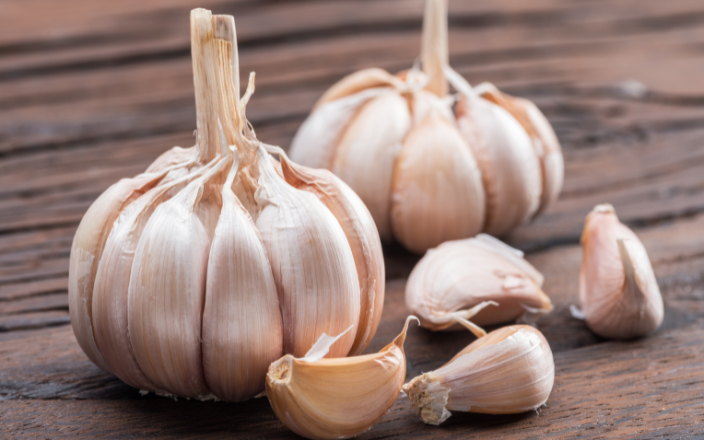
The poultry industry continuously seeks natural feed additives that enhance growth performance and carcass quality while reducing reliance on antibiotics. Garlic extract, known for its antimicrobial and antioxidant properties, and mannan-oligosaccharide (MOS), a prebiotic derived from yeast cell walls, have gained attention as promising alternatives. When combined, these supplements may exert synergistic effects that improve broiler health and meat quality.
Garlic Extract: Bioactive Properties
Garlic extract contains allicin and other sulfur compounds that inhibit pathogenic bacteria, support immune function, and reduce oxidative stress. In broilers, these effects translate into improved nutrient absorption and enhanced growth. Additionally, garlic supplementation has been linked to reduced fat deposition, contributing to leaner carcass composition.
Mannan-Oligosaccharide Prebiotics
MOS functions by binding harmful bacteria in the gut, preventing colonization and promoting beneficial microflora. This modulation of intestinal health enhances feed efficiency and nutrient utilization. By improving gut integrity, MOS supplementation supports better weight gain and carcass yield, while also reducing the risk of enteric diseases.
Synergistic Mechanisms
The combination of garlic extract and MOS creates a complementary effect. Garlic’s antimicrobial action reduces pathogenic load, while MOS fosters beneficial microbial populations. Together, they optimize gut health, leading to improved digestion and nutrient uptake. This synergy not only enhances growth performance but also contributes to superior carcass traits, including higher breast muscle yield and reduced abdominal fat.
Impact on Carcass Quality
Studies suggest that broilers receiving garlic extract and MOS supplementation exhibit:
- Increased dressing percentage
- Improved breast muscle development
- Lower fat deposition
- Enhanced meat quality parameters such as tenderness and flavor
These improvements align with consumer demand for healthier, leaner poultry products and support profitability in commercial production.
Practical Implications
For producers, integrating garlic extract and MOS into feed formulations offers a sustainable strategy to improve carcass quality without relying on antibiotic growth promoters. This approach supports biosecurity, animal welfare, and market competitiveness, particularly in regions with strict regulations on antibiotic use.
Conclusion
The synergistic supplementation of garlic extract and MOS represents a promising nutritional intervention in broiler production. By enhancing gut health, reducing fat deposition, and improving carcass yield, this combination contributes to both economic efficiency and consumer satisfaction. Future research should focus on optimizing dosages and evaluating long-term effects under commercial conditions.
Sources: Available upon request