


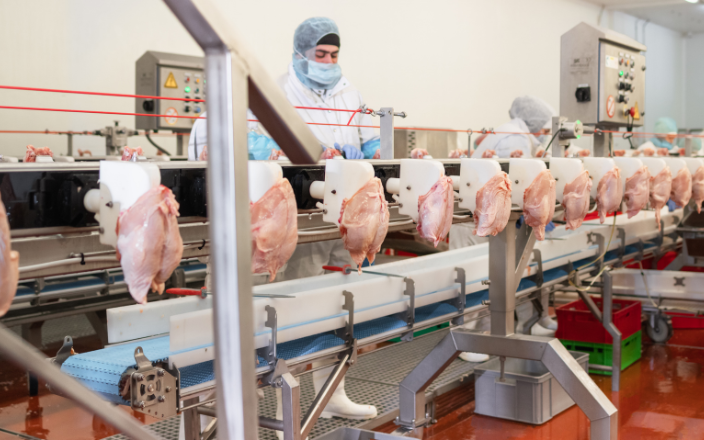
The poultry industry has undergone a remarkable transformation in recent years, driven by technological innovations that aim to improve product quality, safety, and sustainability. Processed chicken meat, a staple in global diets, is now produced with advanced methods that respond to consumer demands for healthier, more convenient, and environmentally responsible options.
Automation and Smart Processing
- One of the most significant advancements is the integration of automation and smart technologies in meat processing plants.
- Robotics and artificial intelligence (AI) are increasingly used to streamline deboning, portioning, and packaging.
- These systems not only reduce labor costs but also enhance precision, ensuring consistent product quality.
- Smart sensors monitor temperature, hygiene, and production speed, minimizing human error and improving food safety standards.
Innovative Preservation Techniques
Traditional preservation methods such as freezing and curing are being complemented by novel approaches. High-pressure processing (HPP) is a non-thermal technology that extends shelf life while maintaining nutritional value and flavor. By applying intense pressure, harmful microorganisms are eliminated without the need for chemical additives. This innovation aligns with consumer preferences for “clean label” products free from artificial preservatives.
Functional and Health-Oriented Products
- The demand for healthier meat options has led to the development of functional processed chicken products.
- Fortification with omega-3 fatty acids, probiotics, or plant-based fibers is becoming more common.
- These enhancements not only improve nutritional profiles but also cater to niche markets such as athletes or health-conscious consumers.
- Reduced-sodium formulations and low-fat alternatives further demonstrate the industry’s commitment to wellness.
Sustainable Packaging Solutions
Sustainability is a central concern in food production, and processed chicken meat is no exception. Biodegradable and recyclable packaging materials are being adopted to reduce environmental impact. Vacuum-sealed and modified atmosphere packaging (MAP) technologies also play a role in extending shelf life while minimizing waste. These innovations reflect a broader industry shift toward eco-friendly practices.
Digital Traceability and Transparency
- Blockchain and digital tracking systems are revolutionizing supply chain management.
- Consumers can now access detailed information about the origin, processing, and distribution of chicken products through QR codes or mobile apps.
- This transparency builds trust and ensures compliance with regulatory standards, particularly in regions with strict food safety laws.
Conclusion
Technological innovations in processed chicken meat are reshaping the industry by enhancing efficiency, safety, nutrition, and sustainability. From smart automation to eco-friendly packaging and digital traceability, these advancements respond to evolving consumer expectations and global challenges. As technology continues to progress, processed chicken products will likely become even more aligned with health, convenience, and environmental responsibility.
Sources: Available upon request