


Content available at:
Thailand’s agricultural economy expanded by 1.4% year-on-year in Q3 2025, supported by strong crop production and a modest rebound in the livestock sector, according to the Office of Agricultural Economics (OAE). Secretary General Chantanon Wannakejohn noted the crop production led growth, followed by forestry and agricultural services.
Crop output posted the strongest increase at 2.9%, followed by forestry (+1.7%) and agricultural services (+1.2%). The livestock sector edged up 0.2%, while fisheries contracted by 5.3% due to ongoing challenges.
Chicken meat drives livestock recovery
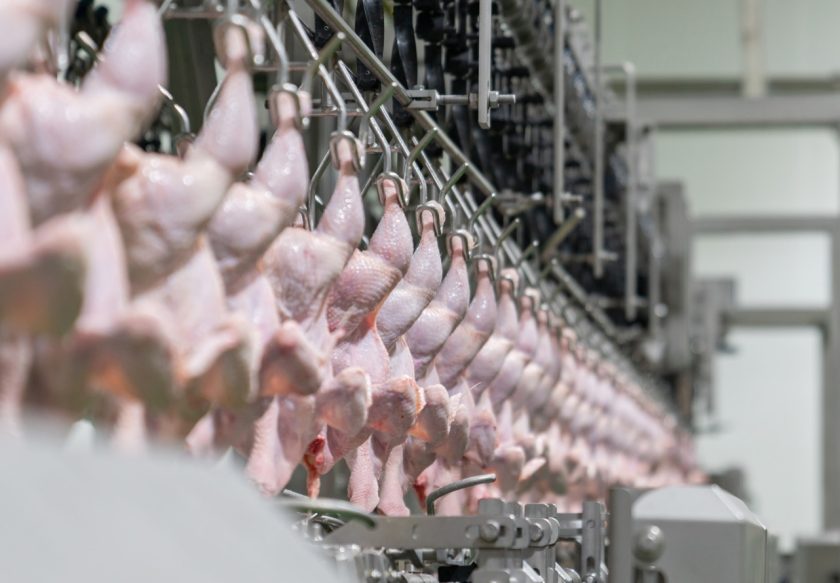
OAE Deputy Secretary General Winit Athisuk highlighted chicken meat production as the key driver of livestock growth. Domestic demand remained strong, and export orders from Japan and the EU continued to support output.
He said poultry farmers have invested in better housing, automated feeding systems, and disease control, which improved productivity despite high production costs. Farm prices of chicken remained attractive, boosting rural incomes and encouraging continued investment.
However, egg production declined due to heat stress and erratic rainfall, which affected hen health and laying cycles. Government price controls aimed at easing consumer costs have pressured poultry farmers’ margins, prompting some to reduce flock sizes. Rising feed and energy costs added further strain.
Beyond poultry, pork and raw milk production also improved. Pig numbers increased following successful disease management, while milk yields rose due to better breeding and feed. These gains helped stabilize the broader livestock sector, though challenges remain.
Growth with caution
The OAE projects Thailand’s agricultural GDP to expand by 2.3-3.3% in 2025, citing adequate water supply, strong policy measures, and wider adoption of agricultural technologies.
However, the agency warns that risks from volatile input prices, climate uncertainty, global conflicts, and currency fluctuations could dampen export performance.