


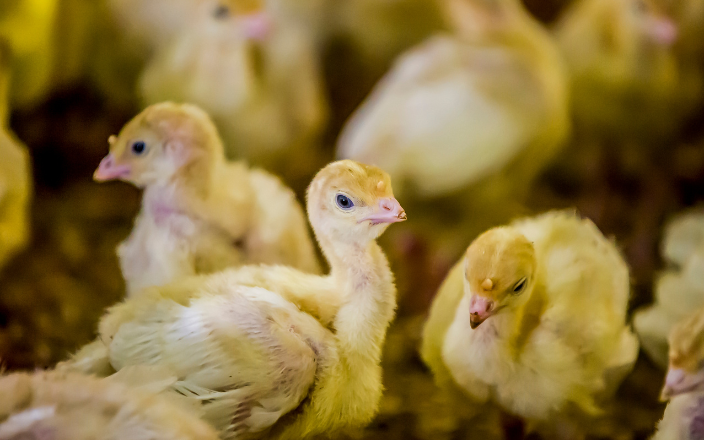
Turkey egg incubation has become increasingly important across Europe as demand for high-quality poultry products continues to rise. Whether on commercial farms or small-scale operations, successful incubation requires a careful balance of temperature, humidity, hygiene, and monitoring. While the basic biological requirements are universal, European producers must also consider regional climate variations, biosecurity regulations, and industry standards that influence incubation success.
Optimal conditions for incubation
- Turkey eggs typically require 28 days of incubation, with strict control of environmental factors throughout the cycle.
- The ideal incubation temperature is 37.5°C (99.5°F), and even minor deviations can impair embryo development.
- Humidity is equally important; most hatcheries maintain 50–55% relative humidity in the first 25 days, increasing to 65–70% during the hatching phase to prevent chicks from sticking to the shell membranes.
European hatcheries often rely on automated climate control systems to maintain these precise conditions, particularly in regions with fluctuating weather, such as Northern and Central Europe.
Egg handling and biosecurity
In Europe, biosecurity standards are strict due to regulations designed to prevent the spread of avian diseases. Eggs must be collected frequently, stored at 12–15°C (53–59°F), and incubated within 7 days to ensure viability. Cleaning practices vary depending on country and farm size, but dry cleaning is widely preferred to reduce shell damage.
Many European producers also use pre-incubation fumigation systems or UV disinfection to reduce bacterial load, contributing to higher hatchability rates.
Turning and ventilation
- Proper egg turning is essential during the first 25 days of incubation.
- European standards recommend turning eggs at least five times per day, preventing the embryo from adhering to the shell and promoting proper orientation.
- Modern European incubators often include automated turning trays, improving accuracy and reducing labor.
Ventilation is equally important. As embryos mature, they require increased oxygen and produce more carbon dioxide. Incubators across Europe are equipped with adjustable airflow systems to maintain optimal gas exchange, ensuring healthy embryo development.
Challenges and climate considerations
Europe’s diverse climates—from Mediterranean warmth to Scandinavian cold—create unique challenges for turkey egg incubation. In warmer Southern regions, excessive ambient heat can complicate pre-incubation storage. In contrast, Northern regions must prevent humidity loss and shell dehydration.
Energy efficiency is another consideration, with many European hatcheries investing in eco-friendly incubators that reduce energy consumption while maintaining critical environmental controls.
Conclusion
Turkey egg incubation in Europe requires a combination of scientific precision, regulatory compliance, and climate adaptation. By maintaining optimal conditions and integrating modern technology, European producers consistently achieve strong hatchability rates and healthy poults.
Sources: Available upon request