


The turkey industry in the United States is a cornerstone of the poultry sector, especially during seasonal peaks such as Thanksgiving and Christmas. Behind the scenes, a complex transportation and logistics system ensures that millions of turkeys move efficiently from farms to processing plants, and finally to consumers nationwide. This article explores the main components of turkey logistics, highlighting the challenges and strategies that keep the supply chain running smoothly.
🚚 Farm-to-Processing Transport
Turkeys are raised on specialized farms across states like Minnesota, North Carolina, and Arkansas. Once they reach market weight, live birds must be transported to processing facilities.
- Specialized trucks equipped with ventilation systems are used to minimize stress and maintain animal welfare.
- Biosecurity protocols are strictly enforced to prevent the spread of diseases during transit.
- Timing is critical: birds are scheduled for transport early in the morning or late at night to avoid heat stress.
🏭 Processing and Cold Chain Logistics
At processing plants, turkeys are slaughtered, packaged, and prepared for distribution. Maintaining product quality requires a robust cold chain system.
- Refrigerated storage ensures meat remains at safe temperatures.
- Packaging innovations such as vacuum-sealed bags extend shelf life and reduce contamination risks.
- Distribution centers act as hubs, consolidating products before they are shipped to retailers.
🛒 Retail Distribution
The next stage involves moving processed turkeys to supermarkets, restaurants, and food service providers.
- National retailers rely on large-scale logistics networks to guarantee availability across all regions.
- Seasonal demand spikes require flexible supply chain adjustments, often involving temporary storage facilities and increased trucking capacity.
- Just-in-time delivery strategies help reduce inventory costs while ensuring freshness.
🌍 Export Logistics
Beyond domestic consumption, the U.S. exports turkey products to markets in Mexico, China, and the European Union.
- International shipping requires compliance with trade regulations and veterinary certifications.
- Frozen turkey products dominate exports, as they are easier to transport over long distances.
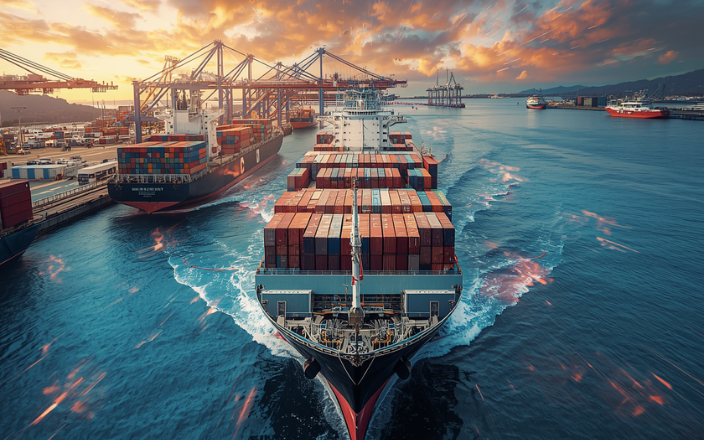
- Port logistics play a crucial role, with major hubs like Houston and Los Angeles handling significant volumes.
⚙️ Challenges and Innovations
The turkey logistics chain faces several challenges:
- Fuel costs directly impact transportation expenses.
- Labor shortages in trucking and processing can disrupt schedules.
- Sustainability pressures push companies to adopt greener practices, such as electric trucks and renewable energy in cold storage.
Innovations like digital tracking systems, AI-driven demand forecasting, and blockchain for traceability are transforming the industry, ensuring efficiency and transparency from farm to fork.
✅ Conclusion
Turkey transportation and logistics in the USA represent a highly coordinated system that balances animal welfare, food safety, and consumer demand. With seasonal peaks and global trade considerations, the industry continues to evolve, integrating technology and sustainability to meet future challenges.
Sources: Available upon request