


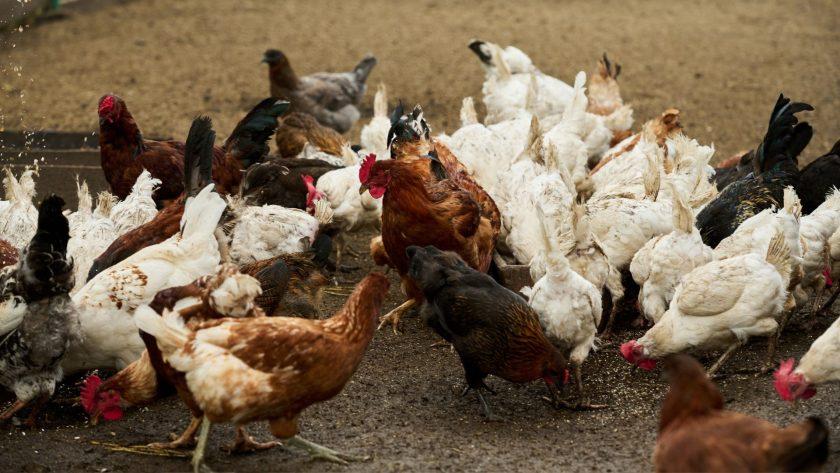
Facing pressures from production costs and disease outbreaks, Vietnam’s livestock industry is undergoing a strategic transformation for the 2026-2036 period.
The core of this process is restructuring the pre-slaughter stage, shifting from fragmented production to high-tech, green, and sustainable farming models.
Restructuring livestock farming models
According to the Department of Livestock Production and Animal Health, the proportion of small-scale household farming is shrinking to make way for large-scale farm models and industrial livestock production.
With a massive population of livestock and poultry (31 million pigs and over 500 million poultry), the primary challenges lie in the input stage:
- Raw material autonomy: The industry is striving to reduce its reliance on imports (which currently account for 65% of raw materials and 90% of feed additives) to stabilize production costs against international market fluctuations.
- Professionalization: Transitioning smallholders into integrated chain models helps farmers avoid being passive toward traders and ensures better disease control directly at the farm level.
Technology as a ‘Lever’ at the farm
To achieve the target of over 9 million tons of live meat by 2026, digital transformation and biotechnology have been identified as key tools during the rearing phase:
- IoT applications: Using sensors and smart monitoring systems to track animal health and growth rates, enabling early detection of disease risks.
- Genetic improvement: Applying biotechnology to develop high-yield, disease-resistant breeds, thereby minimizing the use of antibiotics.
- Environmental treatment: Utilizing microbial products and biological bedding directly during the rearing process to control pollution at the source.
Moving towards circular livestock processes
The new strategy prioritizes eco-friendly farming models before products reach the market:
- By-product utilization: Leveraging livestock waste through biogas systems to generate clean energy.
- Emission reduction: Applying green livestock standards to reduce carbon footprints, meeting strict global requirements for sustainable development.
- Tight linkages: Establishing disease-free zones to ensure livestock are raised in strictly controlled environments before moving to the processing stage.
Focusing resources on the pre-slaughter stage not only optimizes costs but also serves as the core foundation for building a safe, responsible, and high-value Vietnamese livestock brand on the global map.