


Philippine poultry producers are warning of further price declines as chicken demand remains soft nationwide. The United Broiler Raisers Association (UBRA) said farmgate prices have not improved, even though production usually tightens during humid months.
UBRA president Elias Jose Inciong noted that households have been buying less chicken. He linked the slowdown to higher fuel costs, which have made consumers more cautious with daily spending. This shift has kept inventories elevated and prevented prices from stabilizing.
Oversupply intensifies pressure on producers
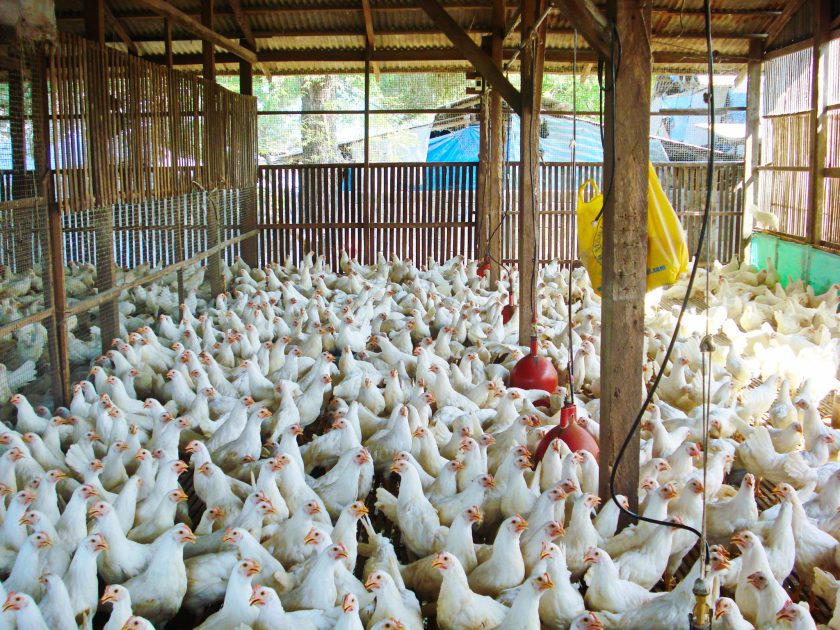
The industry is also dealing with a growing surplus of broilers. Mr Inciong said farms continue to operate efficiently, which has boosted output despite weaker demand. He stressed that production is not the core issue. Instead, the imbalance between supply and consumption is pushing prices lower.
Rising costs have added to farmers’ concerns. The expense of raising chicks has increased, yet selling prices remain low. Mr Inciong warned that some growers may reduce operations if losses continue. He also noted that importing hatchlings could become more costly because of the exchange rate, adding another layer of strain.
Prices may slide further as new harvest approaches
UBRA expects farmgate prices to fall again once the next harvest arrives at the end of May. Mr Inciong said prices could drop to about USD 1.15/kg . He recalled a previous period when prices reached that level and described it as a difficult stretch for many growers.
Data from the Philippine Statistics Authority shows that chicken production reached 585,470 tons in Q1 2026. This was up from 553,450 tons a year earlier, marking a 5.8% increase. The additional output has contributed to the current supply pressure.
Looking for stability amid rising costs
Growers are now monitoring market conditions closely as they navigate higher input costs and uncertain demand. Many hope that consumption will improve in the coming months.
A rebound in buying activity could help ease the pressure on farmgate prices. For now, however, producers remain cautious as they prepare for another possible downturn.