


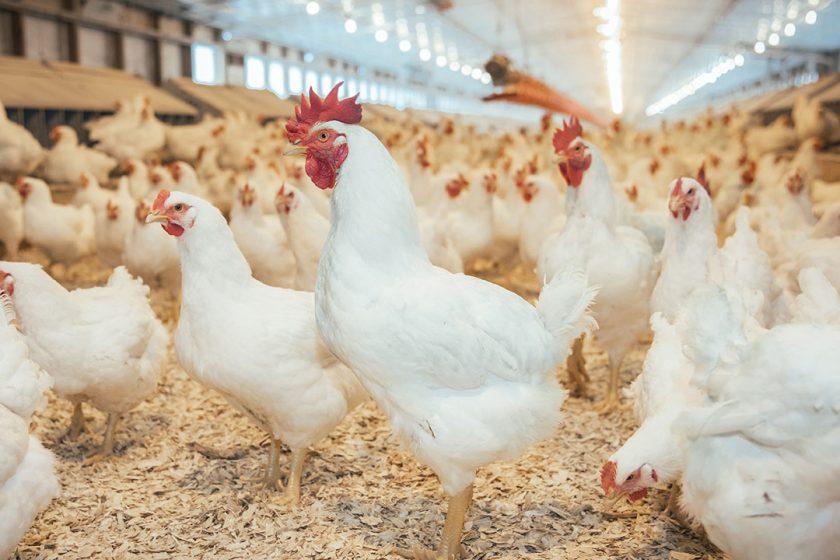
by Dr Pradip P Linge – he specializes in broiler breeder reproductive physiology, gut health nutraceutical development, and aquaculture input products.
Introduction
Walk into any broiler breeder house two to four weeks after photostimulation and you will almost certainly find wet litter. Ask the farm team what caused it and the most common answer is: “It always happens this time of year.”
That answer costs money.
The wet droppings that appear around photostimulation and continue through the first four to six weeks of lay are not a mystery and they are not inevitable. They have a name: “Physiological diarrhea.”
This condition has specific, well-understood causes that can be predicted, prevented, and managed. The difference between farms that manage it well and those that simply accept it is not a matter of luck; it is about having the right knowledge and a solid plan.
“The difference between farms that manage it well and farms that simply accept it is not luck. It is knowledge and a plan.”
Causes of physiological diarrhea
When light hours for breeder pullets are increased, the brain receives a signal that it is time to start producing eggs. The brain responds by initiating a surge of hormones, leading to an increase in the female hormone estrogen.
The surge in estrogen initiates a critical physiological process which enables the hen’s body to absorb substantial quantities of calcium from the gastrointestinal tract to facilitate eggshell formation. Each egg requires approximately two grams of calcium for its shell.
To fulfil this requirement, the hen’s gut significantly enhances its capacity for calcium absorption within a short period, markedly increasing the synthesis of proteins responsible for transporting calcium across the intestinal lining into the bloodstream. This surge in calcium absorption simultaneously increases water movement into the intestinal lumen, drawn in osmotically through the spaces between gut cells as the calcium concentration gradient rises, resulting in moister droppings.
Concurrently, estrogen increases the rate at which the kidneys filter blood, resulting in greater urine volumes. Some urine returns to the lower gut via the cloaca, further contributing moisture to the droppings. In short: the hen’s body is doing exactly what it is supposed to do. The side effect, however, is a temporary but significant increase in faecal water content, leading to physiological diarrhea.
On top of this, the feed also changes at the same time. There is a switch from a low-calcium grower ration to a high-calcium layer ration. That sudden jump in dietary calcium is a second shock to the gut, compounding the hormonal effects. When the feed contains high levels of potassium, as is common when soybean meal or sunflower meal are used as primary protein sources, the gut is more prone to producing loose and watery droppings.
Many farms overlook that the gut lining itself changes during early lay: villi become shorter and wider, decreasing water absorption from the intestine.
All three of these changes happen simultaneously, right at photostimulation. That is why the timing of physiological diarrhea is so predictable, which is why a well-prepared farm can anticipate and respond to it before it gets out of control.


Figure 1. The three simultaneous triggers that converge to produce wet droppings at photostimulation.
Three reasons wet droppings hit at photostimulation
- The estrogen surge increases calcium absorption in the gut, pulling water osmotically into the intestinal lumen.
- The abrupt switch to a high-calcium, high-potassium breeder ration adds an osmotic load the gut cannot handle all at once.
- The intestinal villi remodel during early lay, temporarily reducing the gut’s water-reabsorption capacity.
Differential diagnosis between physiological and infectious diarrhea
Farm supervisors should ask about the cause of wet litter, as it guides their response. Physiological diarrhea is distinct from infectious diarrhea; affected birds remain healthy, eat well, behave normally, lay on schedule, and mortality does not rise.
No bloody or mucoid droppings, swollen eyes, respiratory sounds, or unusual deaths should appear. If any are observed, do not assume it is physiological; consult a veterinarian. Rule out Newcastle disease, infectious bursal disease, coccidiosis, Salmonella, and feed mycotoxin contamination. Check if diarrhea occurs two to four weeks after the light period is increased and if flock behavior stays normal; if so, physiological diarrhea is likely.


Figure 2. Quick-reference guide for distinguishing physiological from infectious diarrhea in broiler breeder flocks.
Production and economic impact of physiological diarrhea
Many farm managers see wet litter as an aesthetic problem or a minor inconvenience. Consider what it actually costs in concrete production terms.
- Litter quality and ammonia. When litter moisture exceeds 40%, its structure is lost and can only be restored by replacing the litter. Wet, compacted litter emits ammonia continuously, and in poorly ventilated areas, concentrations may reach 25 ppm or more, at which level the gas damages the birds’ respiratory cilia and increases their risk of infection.
- Pododermatitis and male mating. Wet litter causes foot pad lesions, resulting in chronic pain that reduces male treading and fertility. Affected birds also eat and drink less, lowering productivity.
- Hatchability and egg quality. Wet litter dramatically increases the bacterial load on eggshells at the point of laying. Bacteria including Salmonella and E. coli penetrate through the shell cuticle when moisture is present. The result is increased dirty egg percentage, more second-grade eggs, and higher early dead-germ mortality in the hatchery.
“In a flock of 10,000 hens, a single percentage point drop in hatchability means losing around 85 saleable day-old chicks every day.”
To put a number on it: in a flock of 10,000 hens laying at 85%, a single percentage point drop in hatchability means losing around 85 saleable day-old chicks every day. Across weeks of suboptimal litter management, that figure compounds into a very significant loss.
Physiological diarrhea in cage-based systems
An increasing number of broiler breeder operations in India and across Asia are now cage-based. The hormonal cause of physiological diarrhea is exactly the same in cage systems, but the consequences look different.
In a cage house, there is no litter to observe. The clinical warning sign simply does not exist. By the time wet droppings are noticed on manure belts or in the pit, the problem may already be advanced. Cage farm supervisors need to specifically train their teams to assess dropping consistency, color, and volume on belt surfaces during belt runs, particularly in the two to four weeks following the light increase.
Cage systems can lead to manure overflow, drainage issues, hazardous gas emissions, and increased eggshell contamination. In artificial insemination programs, physiological diarrhea in hens reduces AI effectiveness by affecting hydration, electrolyte balance, and metabolic condition during critical fertility periods. Managing gut health in the hen is therefore as important to AI program outcomes as semen handling technique.


Figure 3. Consequences of physiological diarrhea in floor-based versus cage-based broiler breeder systems.
Five practical steps to manage physiological diarrhea


Figure 4. Management action timeline showing when each of the five steps should be deployed relative to photostimulation day.
Step 1. Increase dietary calcium gradually
Avoid switching abruptly from a grower ration with 0.9–1.0% calcium to a breeder ration with 3.0–3.5% calcium at photostimulation. Instead, feed a pre-breeder ration containing 1.8–2.0% calcium for two or three weeks to let the gut adjust. Opt for coarse limestone (2–4 mm) in the breeder ration, as it releases calcium gradually compared to finely ground limestone.
Step 2. Check and correct dietary electrolyte balance
Electrolyte balance in poultry feed (sodium + potassium – chloride) affects intestinal water content but is rarely checked on farms. Feeds high in soybean, sunflower, or rapeseed meals usually increase potassium levels. For optimal results, have your nutritionist aim for 180–220 mEq/kg in pre-breeder feeds and 200–250 mEq/kg for layer diets. Adjusting this balance can greatly reduce litter moisture after photostimulation.
Step 3. Add fermentable fiber to the pre-lay ration
Adding sugar beet pulp or psyllium husk to early layer diets slows gut transit, allowing more water absorption. Fermentable fiber supports healthy caeca bacteria during hormonal and dietary changes.
Step 4. Use a specific probiotic and enzyme supplement
Start using a combined probiotic and protease enzyme product two weeks before photostimulation, continuing for four weeks after. Select spore-forming Bacillus strains, such as B. clausii or B. coagulans, as they withstand stomach acid, colonize the small intestine, and help restore gut cell tight junctions. They also support the immune defenses of the gut lining and promote butyrate production by cecal bacteria. At the same time, protease improves protein digestion, reducing the fermentation load in the lower gut.
Step 5. Manage litter and ventilation proactively
Introduce fresh, dry wood shavings at an 8–10 cm depth when photostimulation starts, ensuring moisture is below 15–18%. Raise minimum ventilation rates even in cool weather. Inspect nipple drinkers for leaks and set pressure to 15–25 mbar. Use aluminum sulphate amendments on wet spots to control ammonia and moisture until dietary changes work. For cages, increase manure belt runs and install continuous ammonia monitors in pit exhausts.
Monitor water-to-feed ratio as an early warning
One of the simplest and most underused monitoring tools on a breeder farm is the daily water-to-feed ratio. In normal conditions, broiler breeders consume approximately 1.7 to 2.0 liters of water for every kilogram of feed. When this ratio rises above 2.2 to 2.5:1, it is an early warning sign that physiological diarrhea is developing or worsening.
Monitor this ratio daily throughout the photostimulation period. If an increase is observed, promptly investigate by reviewing the electrolyte balance in the feed, adjusting drinker management, and enhancing probiotic and enzyme supplementation as necessary.
Conclusion
Physiological diarrhea deserves careful attention. It is a predictable, physiological event that follows photostimulation in every broiler breeder flock. Its severity is directly determined by how well prepared your nutritional program, supplementation protocol, and litter management systems are in the weeks surrounding the light increase.
Farms that treat it as inevitable will consistently lose hatchability, fertility, and litter quality season after season. Farms that treat it as a manageable event and plan accordingly will protect their production metrics at the most critical point in the lay cycle.
These five steps work for any broiler breeder setup, whether floor or cage. Begin preparations two weeks before increasing the lights, not after the litter gets wet.