


By Jess Ramanee with Leandro Ferreira, Poultry Technical Manager, Huvepharma
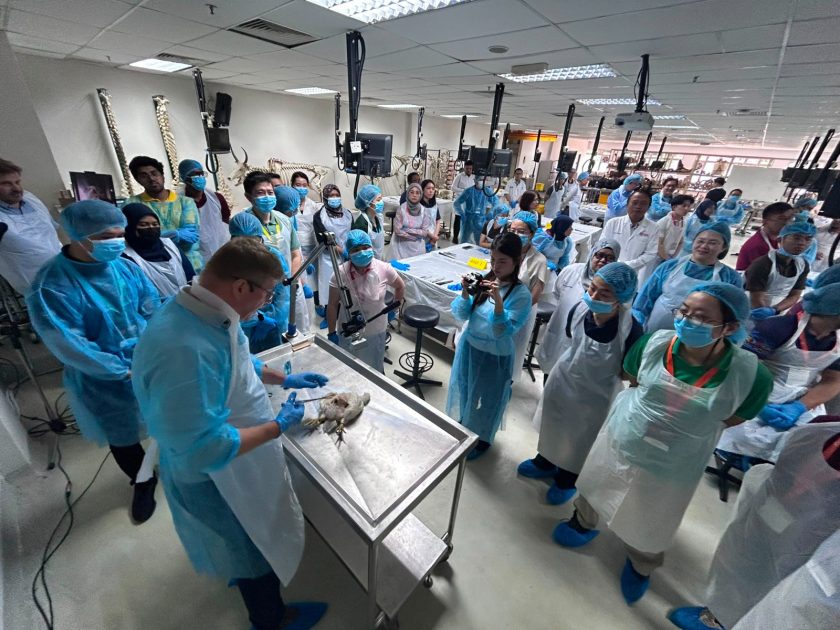
The gut does not lie. Any veterinarian who has spent time in a postmortem room knows this. The intestinal tract of a broiler tells you everything the feed conversion ratio does not, what the bird experienced, when it started struggling, and whether anyone noticed before it was too late.
In Southeast Asia right now, a lot of birds are struggling. Rising feed costs, tightening antibiotic regulations, and relentless disease pressure are converging simultaneously and the margin for error at farm level has never been smaller. Gut health sits at the centre of all of it. A compromised intestinal tract means reduced nutrient absorption, worse feed conversion, and subclinical losses that never appear in mortality figures but drain profitability flock after flock.
Coccidiosis: the enemy that never fully goes away
Globally, coccidiosis costs the poultry industry an estimated USD 17 billion annually. In Southeast Asia alone, losses reach approximately USD 2 billion per year (Blake, 2024/2025). The tropical climate provides near-ideal conditions for oocyst survival, and the pressure to reduce continuous anticoccidial medication is changing the tools available to producers faster than management practices are keeping pace.
What is most concerning in the field is how often coccidiosis control is still treated as a single-product decision rather than a program. Anticoccidial rotation, vaccination, biosecurity, and litter management are not optional extras, they are the architecture within which any product works.
Without them, we are asking chemistry to do what management should be doing. The result is that coccidiosis control across the region remains poor in broilers, layers, and breeders alike. Subclinical Eimeria maxima is a persistent and underestimated drain on efficiency. To illustrate the scale: the average cost of production in Southeast Asia is approximately 40% higher than in Brazil. Gut health sits inside that gap.

Bacterial enteritis: the disease that hides in plain sight
Coccidiosis is the trigger. Once Eimeria damages the intestinal lining, microflora balance collapses, bacterial growth increases, and bacterial enteritis follows. When Clostridium perfringens multiplies excessively, necrotic enteritis will be acute, and high-mortality is the unmistakable outcome. Underestimating coccidiosis control is not just a coccidiosis problem. It is a bacterial enteritis problem waiting to happen.
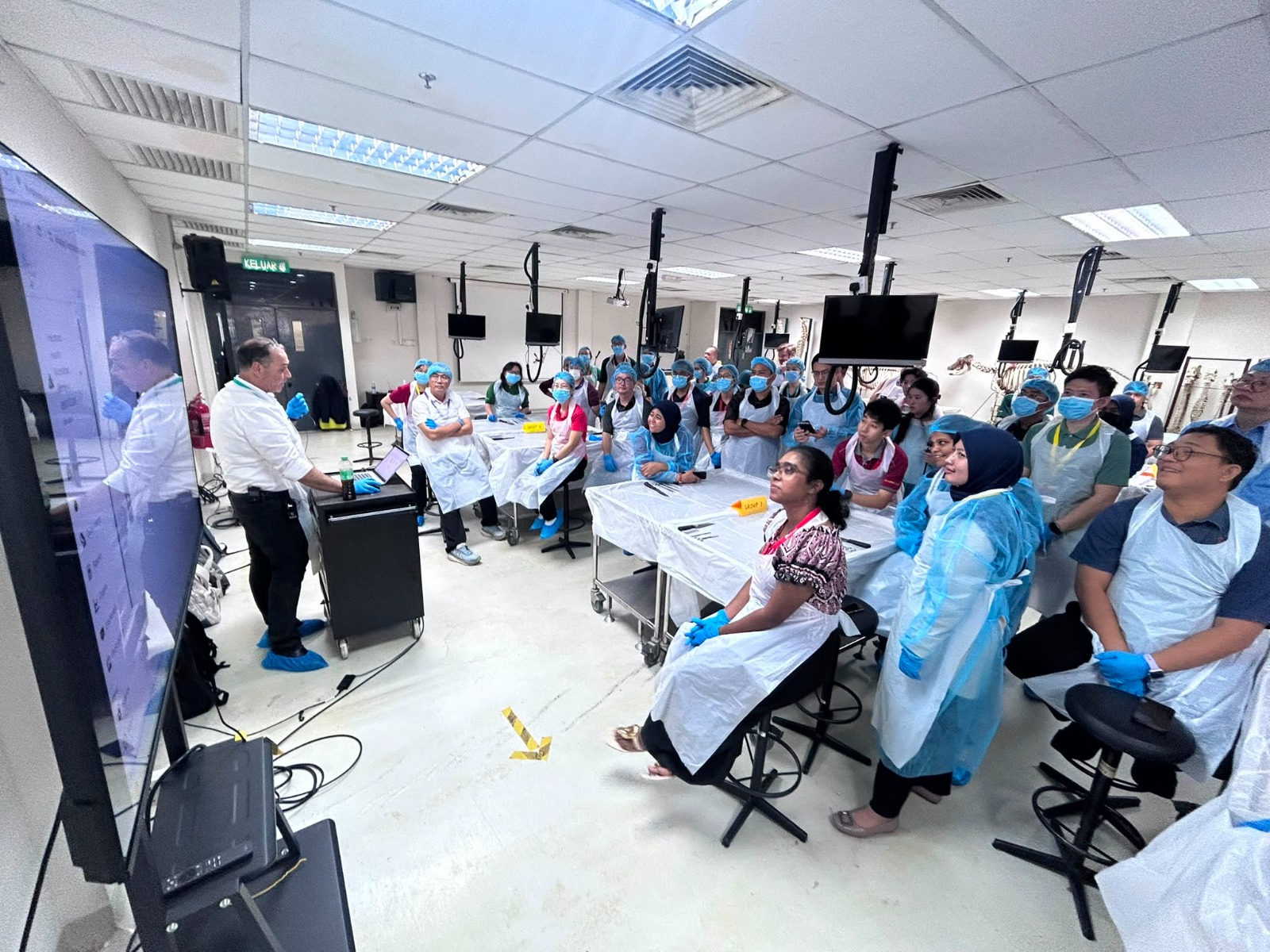
As the transition away from antibiotic growth promoters continues across the region, managing this disease cascade without AGP support demands diagnostic precision and management discipline that the sector is still building. Practical training, scoring systems, postmortem technique, and field-level quantification of gut damage, is how that capacity gets built.
Nutrition and the gut: you cannot medicate your way out of a feed problem
Feed is 65-70% of total production cost. Under current pressure, producers are cutting wherever they can, and some of those cuts will be paid for later, in the intestinal tract. These include:
- Withdrawing anticoccidials during peak challenge phases.
- Running the same low-efficacy product without rotation.
- Switching evidence-based programs for unproven alternatives.
These decisions do not show up on the feed cost line. They show up on the health and performance line two or three weeks later, by which point the flock has already paid the price.
Gut health investment is not a cost. It is a risk management tool. A well-supported intestinal barrier is the first line of defence against every pathogen a bird encounters. Weakening it to save a few cents per tonne of feed is a false economy, and the postmortem room will prove it, every time.

The postmortem room is where knowledge becomes skill
You can read about intestinal pathology. You can study photographs. And then you can walk into a postmortem room, open an intestinal tract, and realize you have never actually seen what you thought you understood. Practical diagnostic skill develops through repetition, variation, and experienced guidance, not through slide decks alone.
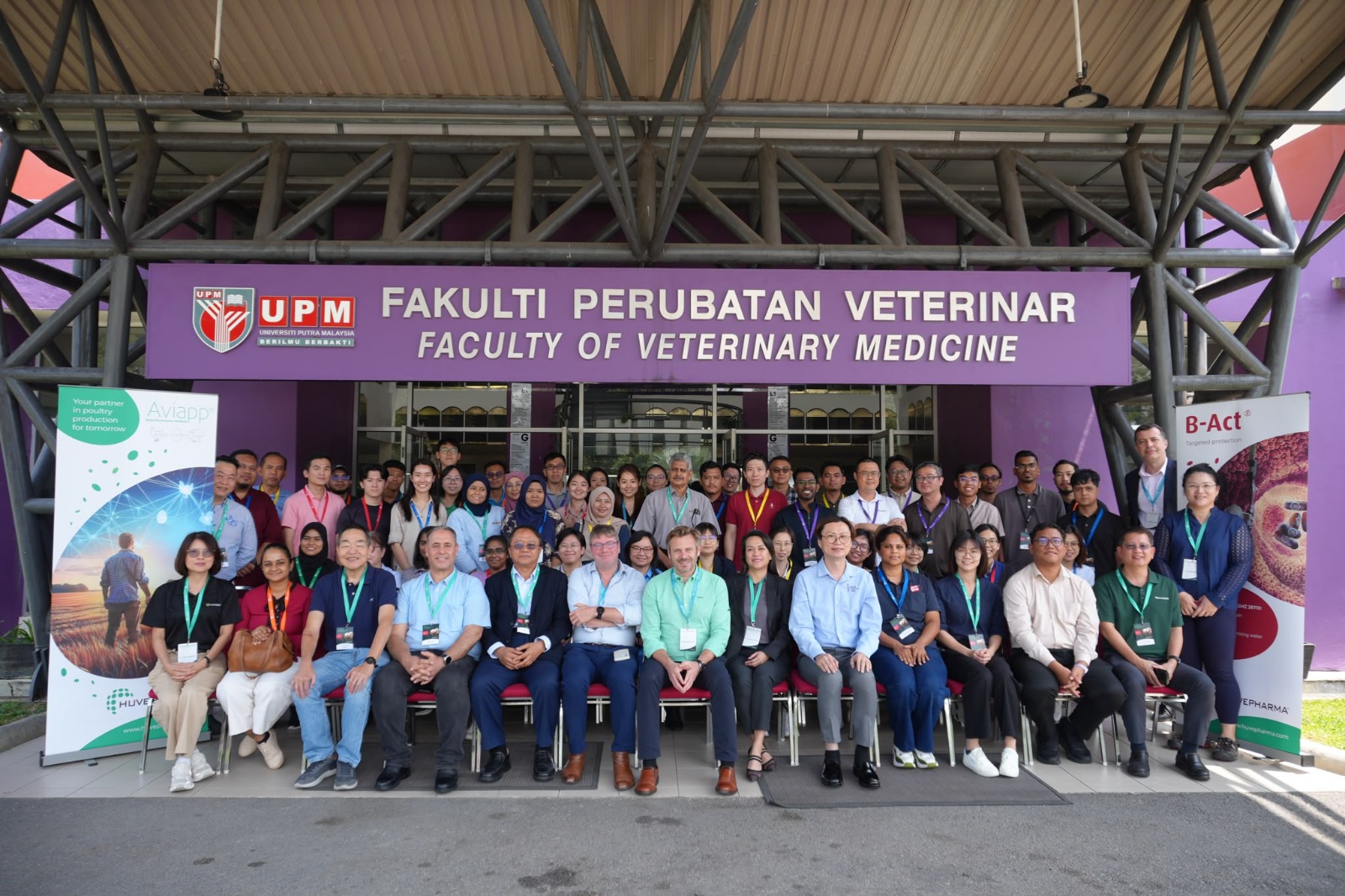
Southeast Asia’s poultry sector is scaling fast. The gap between operations with strong technical capacity and those without is becoming a competitive gap. Huvepharma has been continuously investing in the education of poultry veterinarians, nutritionists, and producers across the region, with more than 500 professionals trained in Southeast Asia in 2026 alone. The approach is holistic and practical: providing the critical information and tools to maximize gut health and farm profitability. Because knowing what the gut is telling you is only valuable if you have learned how to listen.