


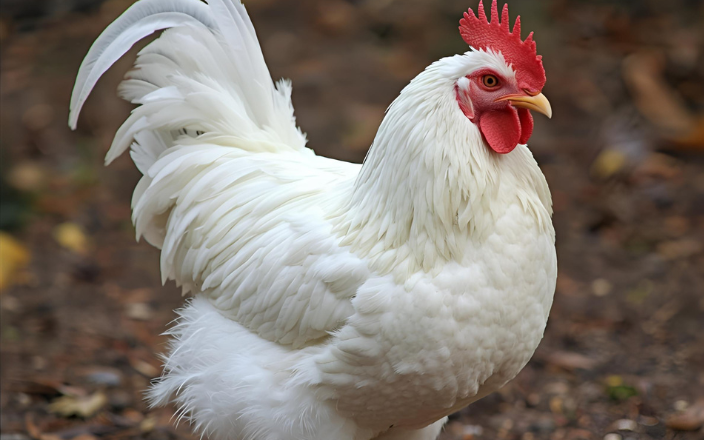
China’s poultry industry is undergoing a significant transformation, with white feather broilers now commanding approximately 70% of the national chicken production. This shift marks a dramatic rise from just five years ago, when white broilers accounted for only half of the market.
- The dominance of white feather chickens is largely attributed to their fast growth cycle—reaching market readiness in just 6 to 8 weeks—and their superior feed conversion ratio.
- These traits make them ideal for large-scale, vertically integrated operations that manage everything from hatcheries to processing plants.
- Such integration has enabled companies to stabilize supply chains and withstand market fluctuations more effectively than smaller, independent farms.
Consumer preferences also play a crucial role. The demand for processed and ready-to-eat poultry products continues to rise, aligning perfectly with the characteristics of white broilers. As urbanization and changing lifestyles reshape food consumption patterns, white feather chickens are increasingly favored for their convenience and affordability.
- Despite falling broiler prices and rising production costs, large-scale integrators remain resilient.
- While farming returns have been modest—averaging just ¥0.25 to ¥1.02 per kilogram in recent years—these companies offset losses through diversified operations, including feed production and meat processing.
The growth of white feather broilers is also supported by policy and trade dynamics. Although China remains heavily reliant on imported breeding stock, particularly from France due to avian influenza restrictions on U.S. and New Zealand sources, domestic breeding programs are expanding to reduce this dependency.
- Looking ahead, the white feather chicken segment is expected to continue driving moderate growth in China’s poultry output.
- Industry forecasts suggest that production will edge higher in 2026, fueled by consumer demand and the efficiency of integrated farming models.
- Hybrid broilers, which currently hold 8–10% of the market, are also gaining traction due to their cost advantages and shorter production cycles.
In contrast, yellow feather broilers—once the traditional staple—are losing ground, now representing just 17–20% of the market. Their slower growth and higher costs make them less competitive, especially as live bird markets decline.
Overall, the rise of white feather chickens reflects a broader shift toward industrialized, scalable poultry production in China, positioning the sector for sustained growth and greater global competitiveness.
Sources: Available upon request