


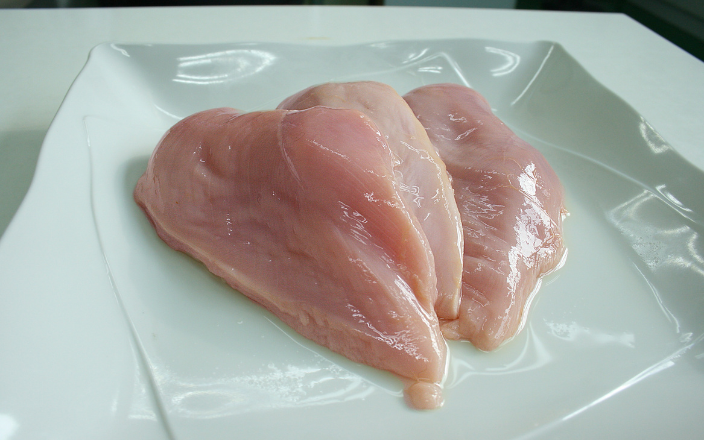
Fresh chicken meat is highly perishable due to its high moisture content and susceptibility to microbial contamination. Traditional packaging methods often fail to extend shelf life or ensure safety. In response, active and antimicrobial packaging technologies have emerged as innovative solutions to preserve quality, reduce spoilage, and enhance food safety.
What Is Active Packaging?
Active packaging goes beyond the passive role of containment. It interacts with the product and its environment to maintain freshness. For chicken meat, this can include:
- Moisture absorbers to reduce drip loss.
- Oxygen scavengers to slow down oxidation.
- Antimicrobial agents incorporated into films or coatings to inhibit bacterial growth.
By actively controlling the internal atmosphere, these systems extend shelf life and reduce waste.
Antimicrobial Packaging Strategies
Antimicrobial packaging specifically targets microorganisms that cause spoilage or foodborne illness. Common approaches include:
- Natural extracts: Essential oils from thyme, oregano, or rosemary integrated into packaging films.
- Biopolymers: Chitosan or alginate coatings with antimicrobial properties.
- Nanotechnology: Silver nanoparticles or zinc oxide incorporated into packaging materials to disrupt bacterial cell walls.
These strategies reduce microbial load, ensuring safer chicken meat for consumers.
Benefits for the Poultry Industry
The poultry sector benefits significantly from these innovations:
- Extended shelf life: Fresh chicken can remain marketable for longer periods, reducing economic losses.
- Improved safety: Lower risk of contamination by pathogens such as Salmonella or Listeria monocytogenes.
- Sustainability: Less food waste and potential use of biodegradable packaging materials.
- Consumer confidence: Shoppers are more likely to trust products with enhanced safety and guarantees of freshness.
Challenges and Considerations
Despite its promise, active and antimicrobial packaging faces challenges:
- Regulatory approval: Materials must comply with food safety legislation.
- Cost implications: Advanced packaging technologies may increase production costs.
- Consumer perception: Transparency about the use of nanomaterials or chemical agents is essential to gain acceptance.
Balancing innovation with affordability and safety remains a key priority.
Future Outlook
Research continues to refine these technologies, focusing on natural, biodegradable, and cost-effective solutions. The integration of smart packaging—capable of monitoring freshness indicators—may further revolutionize poultry distribution. Ultimately, active and antimicrobial packaging represents a critical step toward safer, more sustainable food systems.
Sources: Available upon request